TOUR JOURNAL
This tour journal is dedicated to the stories, memories, and adventures that I have the pleasure of experiencing while traveling on my Southern Shores Tour. Beginning in Summer 2026, as the United States enters its 250th year, I will be touring the Southern Shores to perform a series of Hair Paintings with and for community members in six cities: St. Augustine/Fort Mose, Florida, Charleston, South Carolina, Savannah and Columbus, Georgia, Mobile, Alabama and New Orleans, Louisiana.
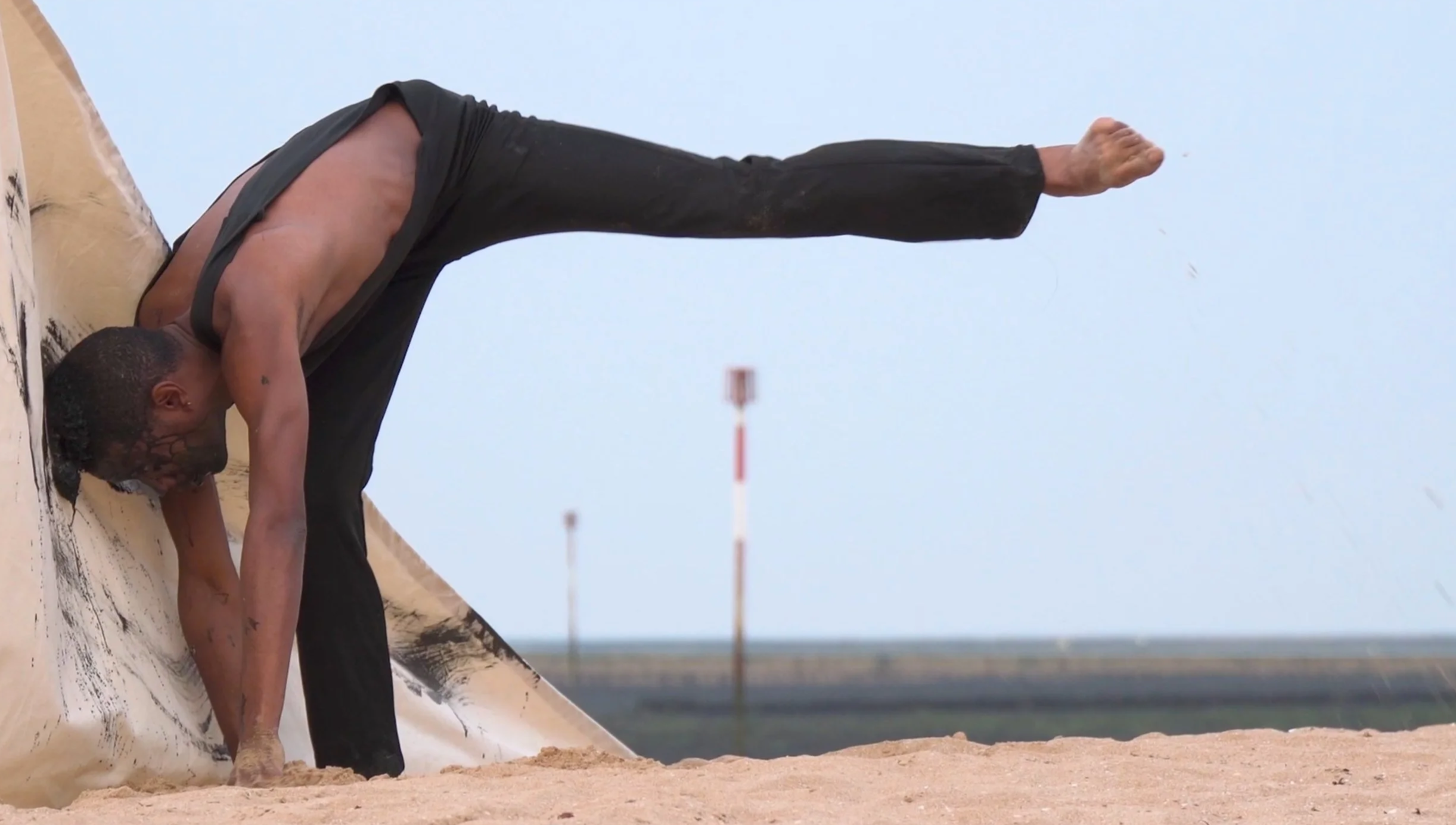
A Hair Painting is an interdisciplinary ritual that honors our ancestors and acknowledges the land itself as a keeper of history. Through gesture, movement, and paint, these performances memorialize local stories while imagining new futures. Growing up in Alabama, my grandmother, Ruth Mae Giles, always told me, “Your hair is your strength.” This project is rooted in that resilience.
This journal reflects the images, words, and dreams of my time in the South. Follow along as I witness all the beauty that these lands and shores hold and the people who steward and remember this place. This tour is made possible through the generous donations from supporters like you. Please consider making a tax-deductible donation.
JULY 24, 2026 — POOLSIDE ORIENTATION - ONE MORE DIP BEFORE I DIP.
I did not sleep well. I had a stressful dream that night.
I found myself deep in the darkness of a swamp. A darkness so black, maybe my eyes were shut. No. They were open. I was trying to see. Wanting to see. Needing to see ANYTHING. I waded chest-deep through a turgid muddy syrup. With each step, this sticky soup clung to my skin and made climbing harder. I began to sink. Desperately, my hands reached out to grab anything strong enough so that I might pull myself out of this trap. I stretched and stretched and stretched until… I felt a scaly branch. I pulled up on the branch, struggling to ascend. The branch began to lift me, now smooth and fleshy. Twisted twigs stretching from the forearm gained strength and definition. I needed a hand, and a hand found me.
Your first time coming through here? The tree had a voice, or maybe the voice was a man.
Stay real quiet, I’ll show you where we live.
He took my hand and we crawled over logs, forded bogs out of sight until I saw a light. It was small, faint. Could’ve been just a single candle swaying in the shadows. Then another. Then a constellation shimmered and shined across the deep blue. We got closer. And finally I saw –
I woke up and the sun was shining in my room. I forgot to close my curtains last night. I stared out of the window. Light freckled across shimmering windows too. Wow, New Orleans you sure are beautiful. What should I do on my last day?
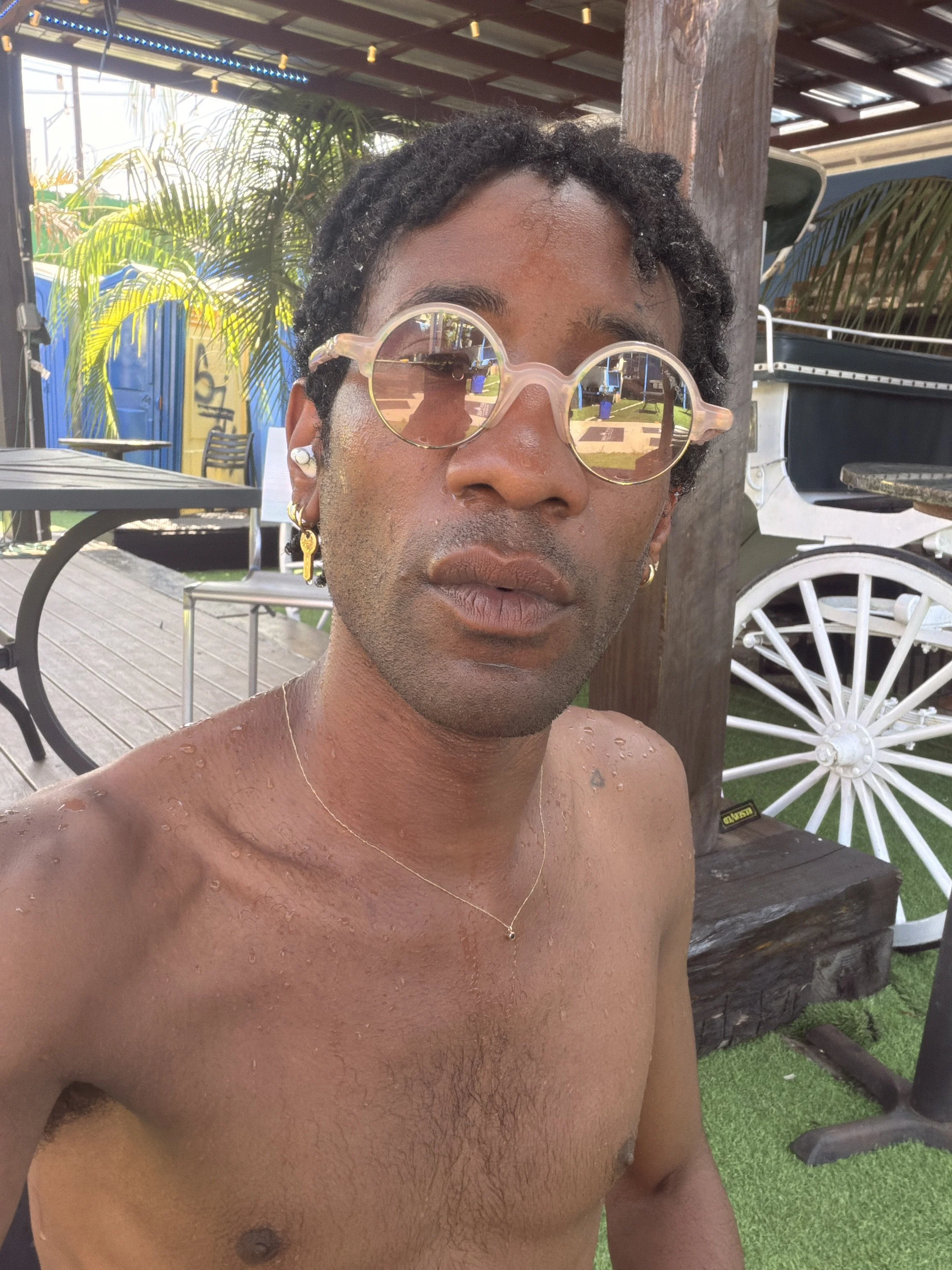
I slipped on my speedo, shorts, shirt, and shoes and packed up my suitcase. I hopped in an Uber with all my stuff. I arrived at the Railyard, a body-positive queer pool club. After the last conversation I had at the Bluecrawfish, I thought spending time in water, while talking to people about water would be a great way to close my trip.
The people sure were nice.
Oh I haven’t been here too many times. I’m an artist working on a performance tour.
Oooh a tour, what kind of performance?
I paint with my hair.
I’ve never heard of anyone doing that. Did you make this up?
Well sort of… my grandmother, Ruth Mae Giles, came to me and told me to. They smirked, and I jumped in. I know, it’s really specific.
Honey, ain’t nothing too weird for New Orleans.
What do you think about the water out here? Where do you swim?
Oh here or the Country Club.
The Country Club, sounds fancy.
No, no, no. It’s not what you think. It’s a gay pool club like this, with fancier drinks and food. We’ve been swimming there since before you were born.
Folks told me stories about an ‘80s and ‘90s NOLA, where gay bars littered private back alleyways. How the city has been a providence for queers for decades. The various hangout spots and community centers. And most importantly how gay folks have been strolling up and down the Mississippi River to come to this great city seemingly since the beginning of time.
All water leads to New Orleans, someone said.
We gotta big mouth and it don’t stop running.
As we laughed, a swift but strong afternoon summer shower poured on us. No one rushed out of the water.
We’re already wet. What’s rain gonna do? Make us wetter?
In a town where, only a couple days ago, rain had us wondering if we’d be washed away, I loved our collective protest. A little rain wasn’t gonna ruin our time. I was definitely wetter. Water ran down my hair and across my glasses. But I loved it. I felt like that Drew Barrymore meme: Whenever you can, go out into the rain…Don’t miss the opportunity.
The rain stopped. I said my goodbyes and climbed out of the pool. Dressed and back in an Uber, I started the long journey home.
JULY 23, 2026 — ANTENNA COMMUNITY CONVERSATION - SWAMPS, LAKES, AND ALLIGATORS.
Today’s the day. I got up and put on my community conversation uniform for this trip, ombre blue-to-white pants, a white button-down shirt with cut-off sleeves, and my doc loafers.
I hopped into an Uber and headed to the Lower 9th Ward. Except I wasn’t. It’s rare that I actually put in the wrong address when traveling around a city. But today, I did and managed to end up right in Audubon Park next to Loyola and Tulane Universities. It was a beautiful area, but unfortunately not where I was supposed to be. So I got back in a car and made my way to the right neighborhood.
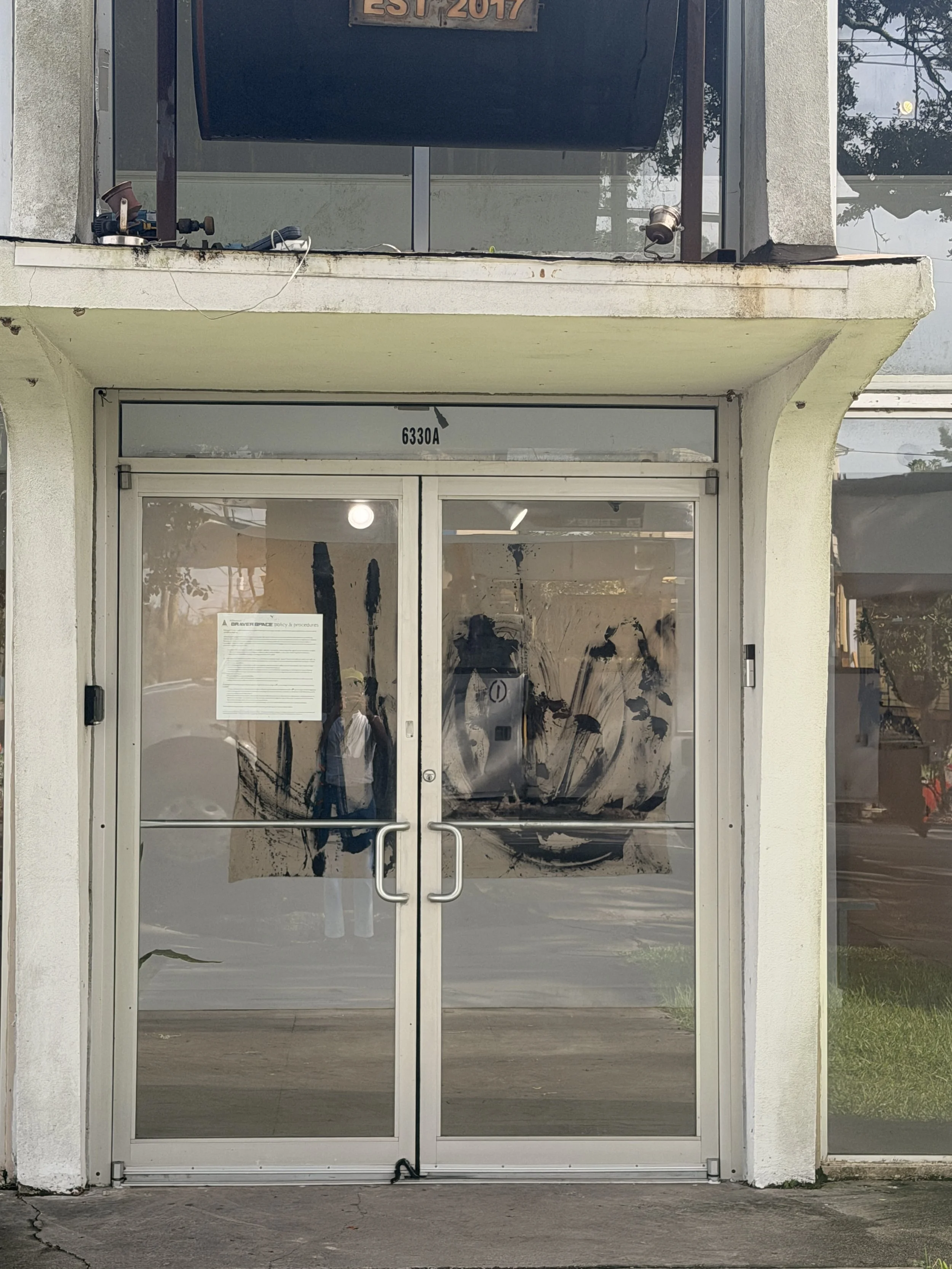
The energy in this part of the Lower 9th was chill and quiet. The bustling French Quarter felt chaotic compared to the slow-paced vibe of this area. As I approached Antenna’s 6330 location, I knew I was in the right place. Painted abstract geometric shapes in blue and purple cover the walls of the building. As I entered, Is smiled at me and gave me a hug!
Welcome. We are so happy to have you today. We left everything you need to hang your work on this table. Feel free to set the space up however you want. We even have a projector if you’d like to share videos or websites.
Perfect. Thank you so much. I’ll get started. I smiled back.
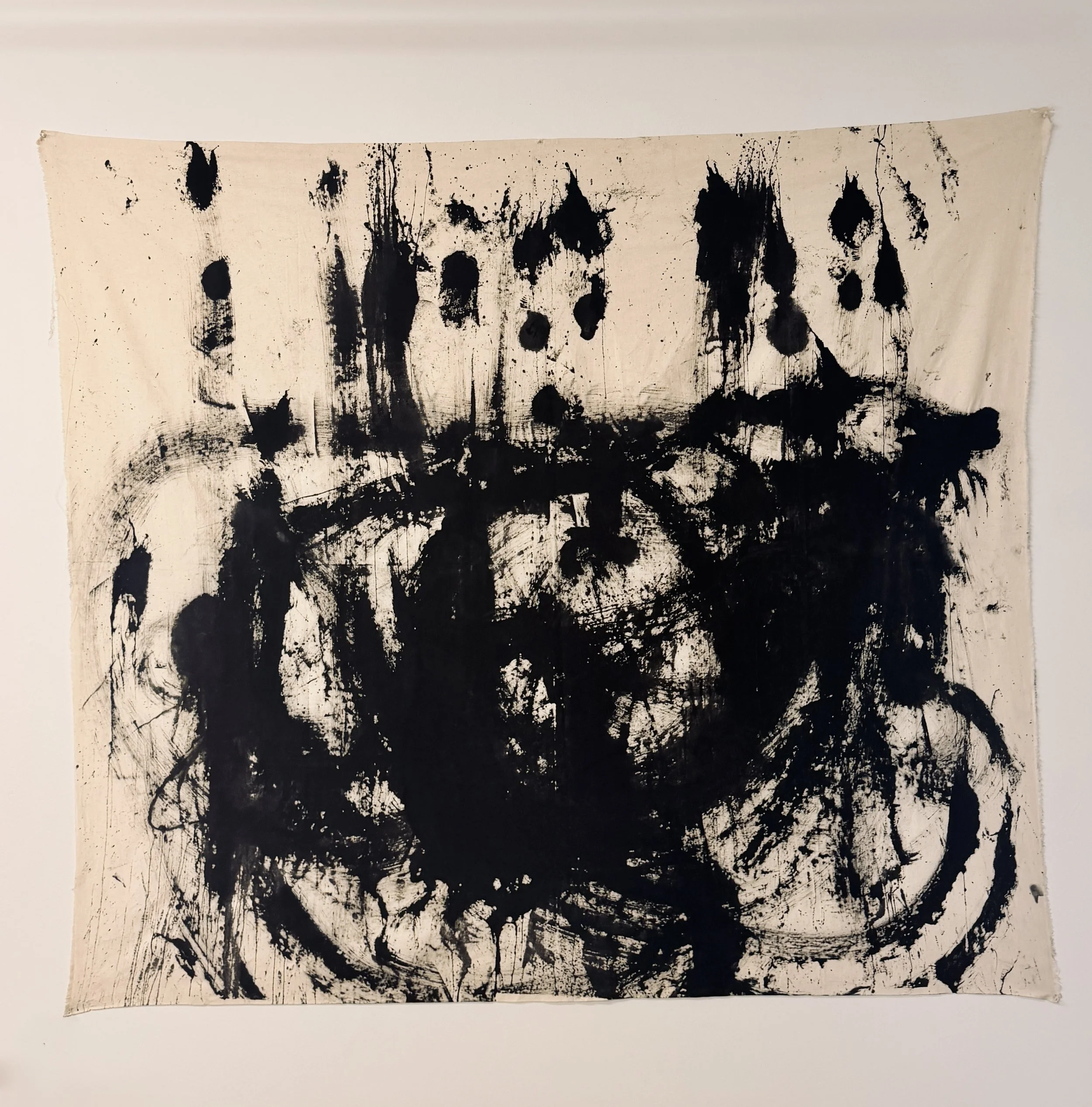
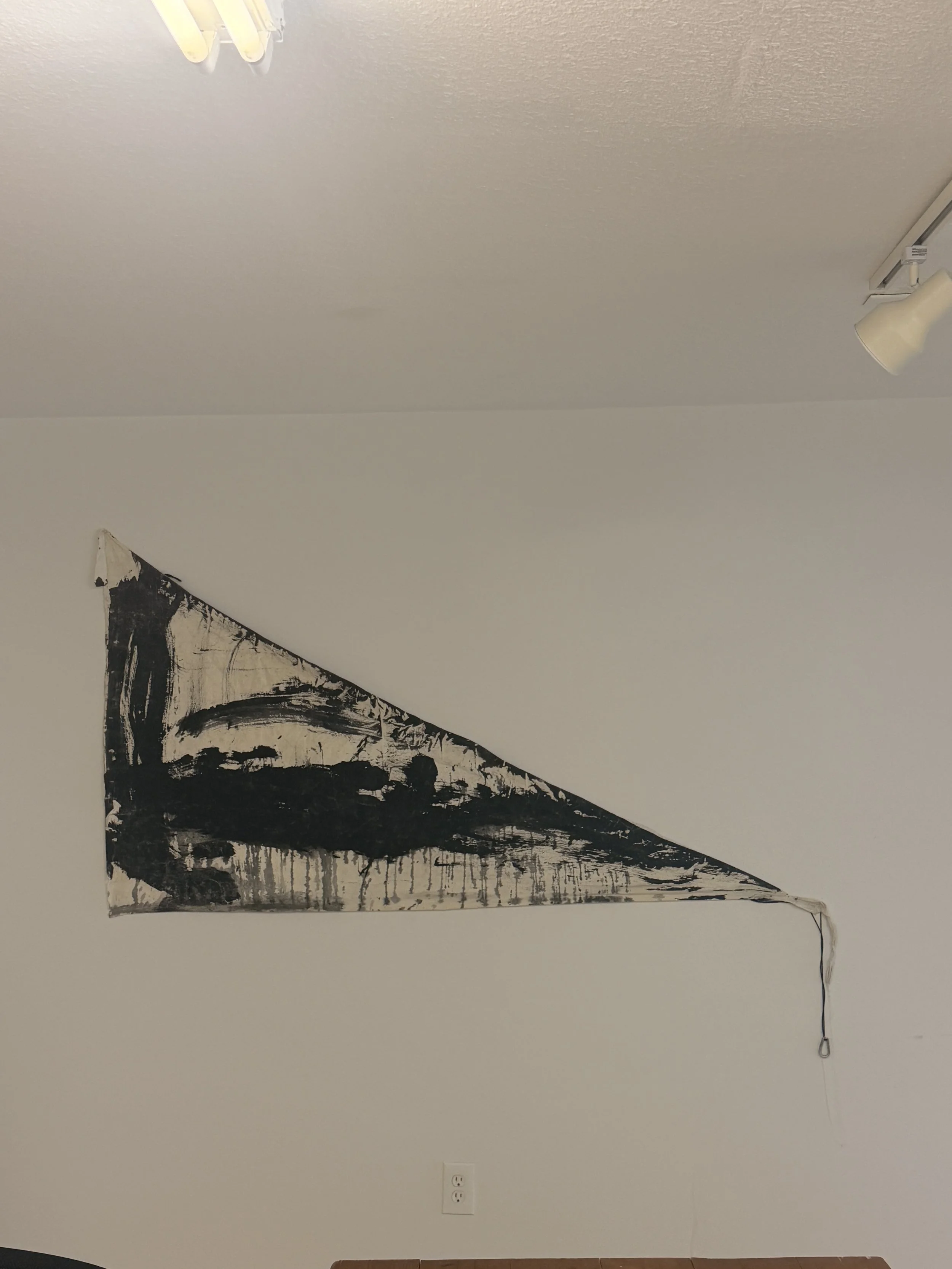
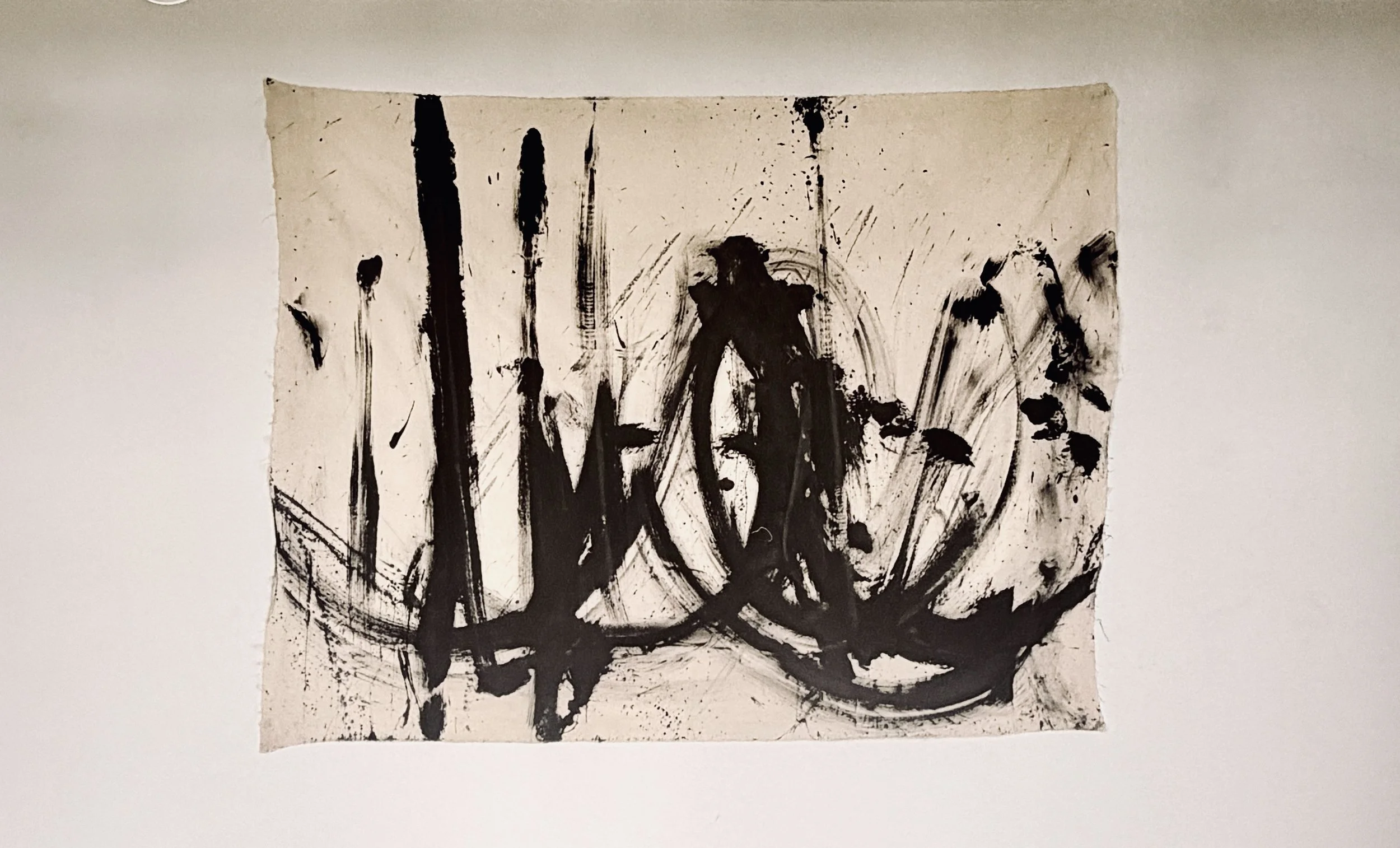
I hung Hair Paintings I’ve created around the world across the walls of this New Orleans art center. Margate, NYC, Columbus all are represented together in this pop up show. I pulled down the projection screen and filled the space with videos of these Hair Paintings. Soon Jessica walked in and then many other folks from the community. Noni, whom I met on my first trip to New Orleans, even came with her six-year-old son. Our conversation began with my classic game, Are You Shore? NOLA edition. I love that locals are constantly surprised by the answers to some of the questions. We all learn together.
Folks shared stories about Cajun family members fishing at the shores, histories of resilience among indigenous and Black communities, the inherent queerness of swamps, and myths about mutant alligators haunting lakes.
We laughed, we cried, we saw each other. Again the world is so small. My friend Aparna invited her friend Flora to my talk. Flora, a resident artist with a studio upstairs at Antenna, walked right down the stairs to join us. Again I just felt affirmed - I’m in the right space, with the right people.
JULY 22, 2026 — MS. BERTHA IS COMING - WILL IT FLOOD TODAY?
I woke up this morning with an email from Jessica, the Executive Director for Antenna.
Jarrett, I know you were planning on coming by the gallery today to hang your work before our conversation tomorrow, however, I think we should postpone your coming by today. As you know, Antenna 6330 sits in the Lower 9th ward, and with Tropical Storm Bertha coming through town today, I think it’s best for you to keep your work out of the space in case we experience any flooding. Depending on how bad it gets, we may need to have our event tomorrow via zoom. But we don’t have to start panicking yet. Let’s get through today and pray we all stay relatively dry.
I jumped out of the bed and opened my hotel window. The ominous overcast sky did not come to play. Then the rain came. It rained all day long and night. But the floods did not come. It was nice having a chill day after so much travel and so many events. I spent this rainy day reflecting on my tour, all the people I have met along the way, and preparing for my conversation at Antenna.
Tomorrow’s gonna be a great and dry day!
JULY 21, 2026 — BACK TO NOLA - AND INTO THE POOL.
I’m so grateful for all the support that I have received during this tour of the South.
Without your support I wouldn’t be able to meet all these amazing people and learn so much about the shores that define our histories. I woke up this morning especially grateful for a specific donor, Ciciley Nelson. She sponsored the accommodations for my New Orleans leg of the trip. Thank you Ciciley.
The now-familiar walk to the 6:30AM Mardi Gras Amtrak train felt less creepy than the first time I walked down the empty blocks. Streets once filled with cool fog now appeared clear and bright. The nearly hot morning sun joined on my stroll to the train. All aboard! As I climbed on to the train and into my seat, I ripped one of my favorite lace vests I got at vintage store in Margate. The last time I was there, I shared three Hair Paintings I’d performed on its shore with Quench Gallery. The clothes I wear definitely hold special memories that inspire as I move along my day.
The train ride from Mobile to New Orleans is so easy. I filled my time listening to a playlist, Quiet on the Creek, curated by my partner Julian. He said he wanted to give me a playlist that matched the energy and sound of New Orleans. Bounce music by Big Freedia and Saucy Santana, and club hits by Beyonce, horsegirL, and Sophie, filled with the passing time quickly, as I danced in my seat. Instagram seemed to know I was going to New Orleans too: I was fed so many ads for private swimming clubs. I had never thought about swimming in New Orleans, but of course I had my swimsuit.
We pulled into New Orleans, and I stepped off the train into what I could only describe as a swamp! The weather was so hot and humid that I rushed to my hotel and immediately took a shower. Maybe a swimming day wasn’t such a bad idea.
The Bluecrawfish was a perfect place to have a cold drink and a nice dip in a pool.
As I floated along their small but still lazy river, I began a conversation with this young Black woman also enjoying a cool moment on a hot day. Of course, I shared that I was in town for a community conversation with Antenna in the Lower 9th Ward, and asked her about her own relationship to the water in New Orleans and the surrounding area.
She immediately said, well you know we don’t swim in the Mississippi River. All the Black folks who have died in these waters keep me from wanting to get into any of them.
She described a friend who lost her life to the Mississippi river. We talked about spirituality and the importance of saying your ancestors’ names. The power and sacredness of water to hold memory. I gave her a hug and rushed back to my hotel – I almost forgot I had an artist dinner planned with the curator Lauren Kennedy.
Lauren and I have worked on a couple presentations of my work in Memphis and Atlanta and on our last phone call realized that we both were going to be in New Orleans at the same time. The world is so small and the alignment is undeniable. So she invited me to join her and some local artists for dinner at her friend's home. We had such a good time: great food, conversation and laughter filled the kitchen and dining room. One of the folks in the attendance actually was an artist and administrator that worked with Antenna. It was nice to meet someone else from this amazing arts org I would be visiting later this week.
After dinner, we of course went to a karaoke joint near Bywater! I love karaoke and sing at karaoke bars across the Lower East Side and Chelsea at least once a week.
I felt right at home, with new friends, singing the night away.
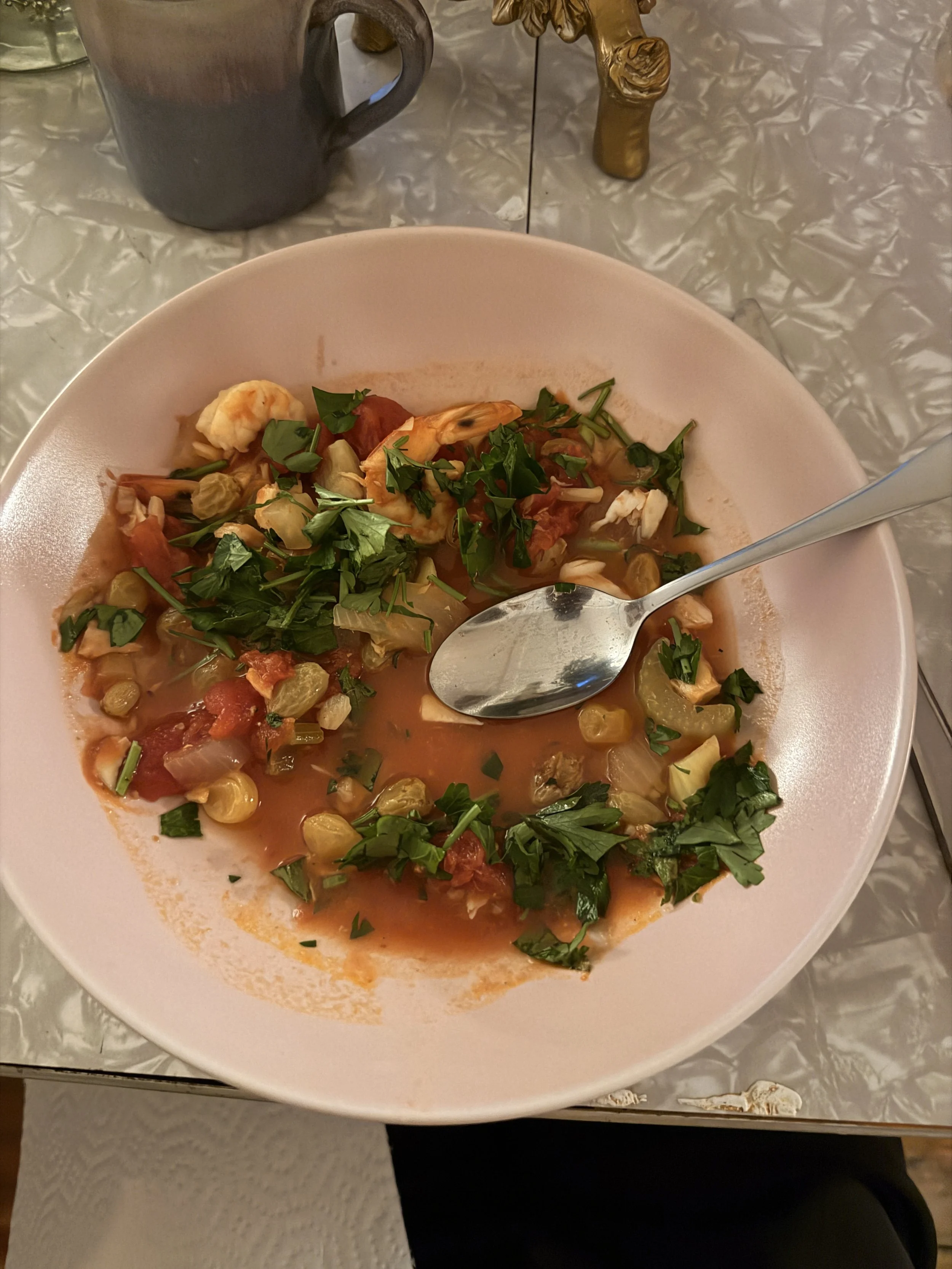
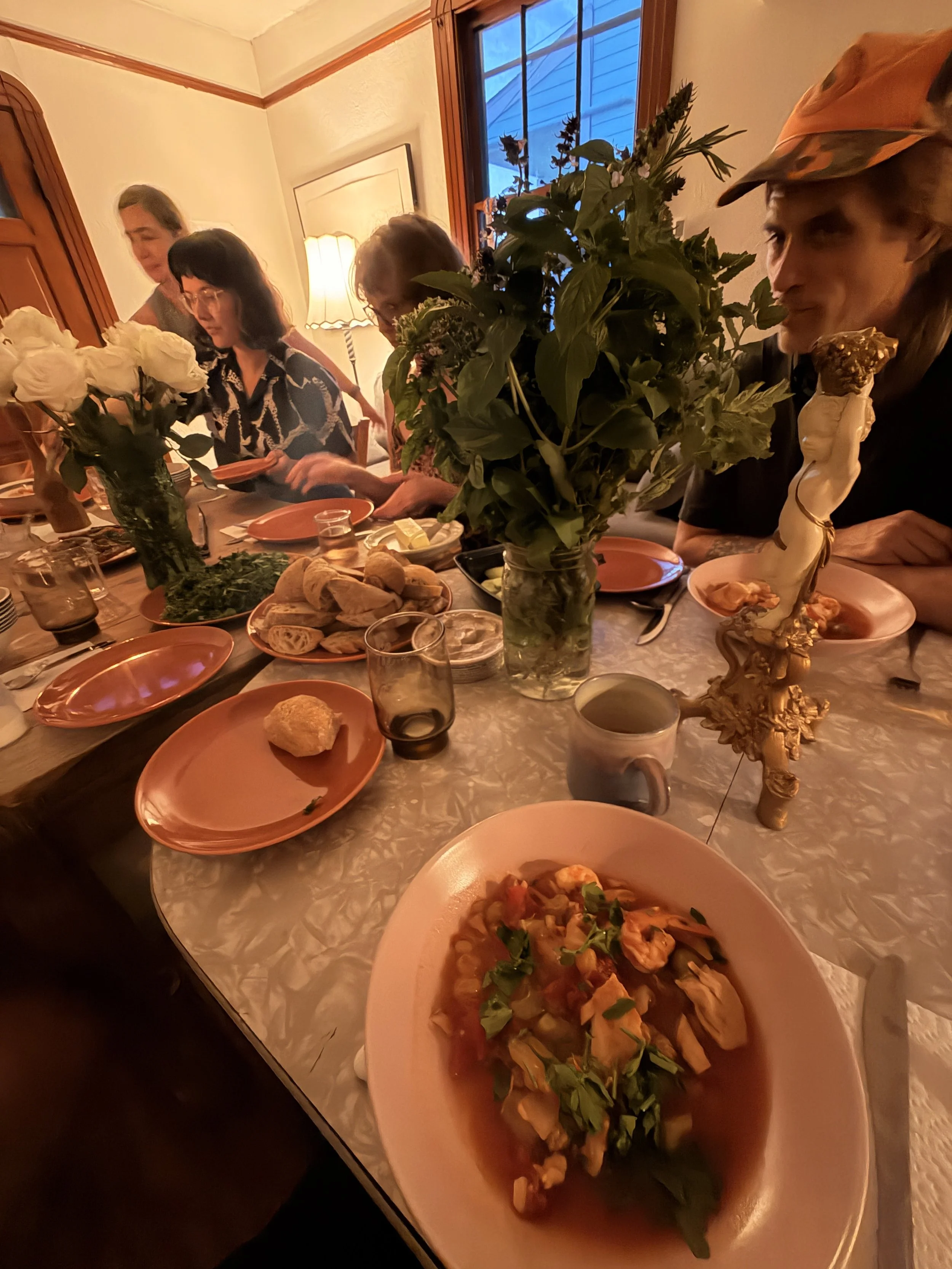
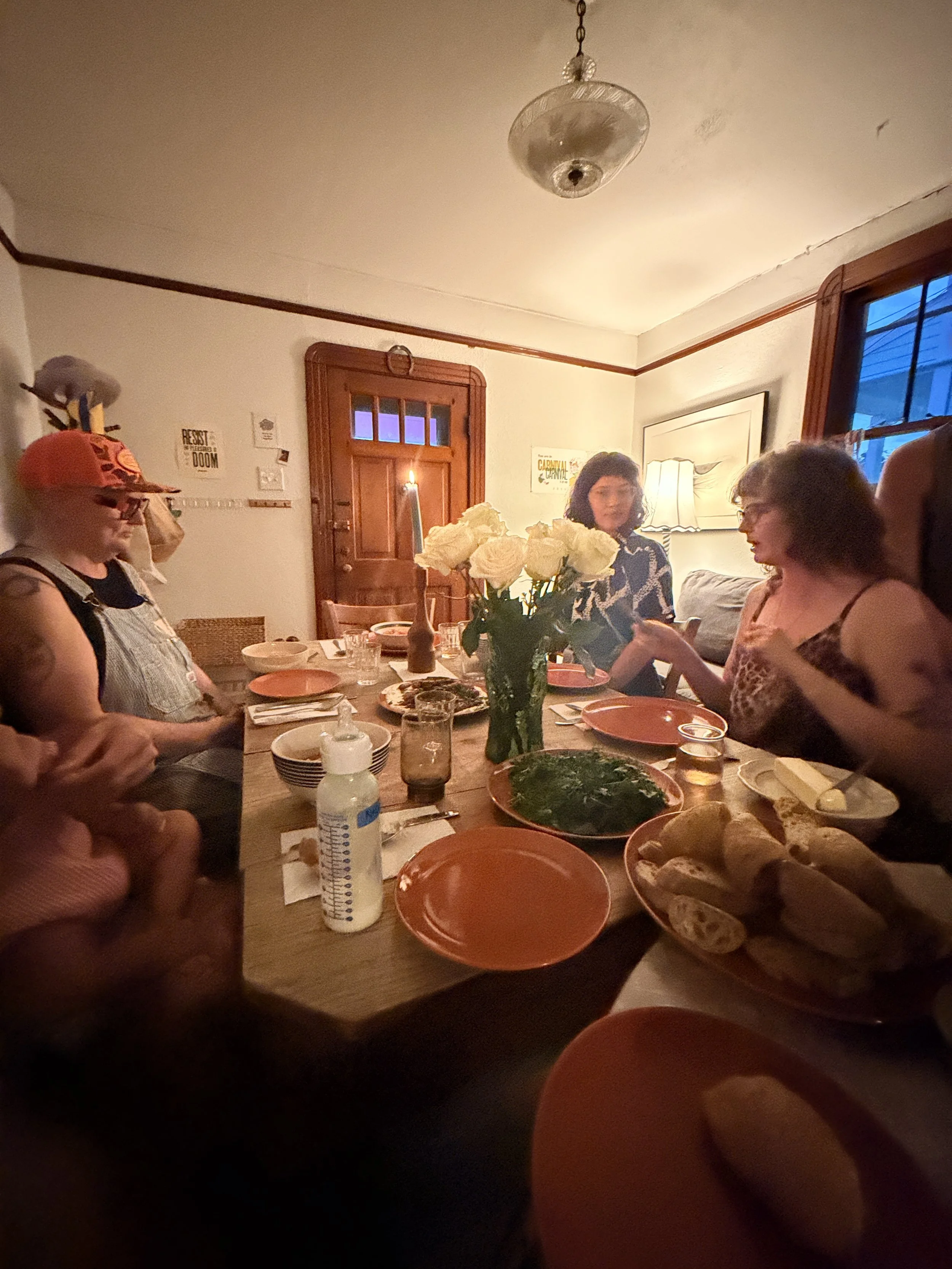
JULY 20, 2026 — A TRIP TO THE GULF - DAUPHIN ISLAND.
Everyone down here knows Dauphin Street in Mobile.
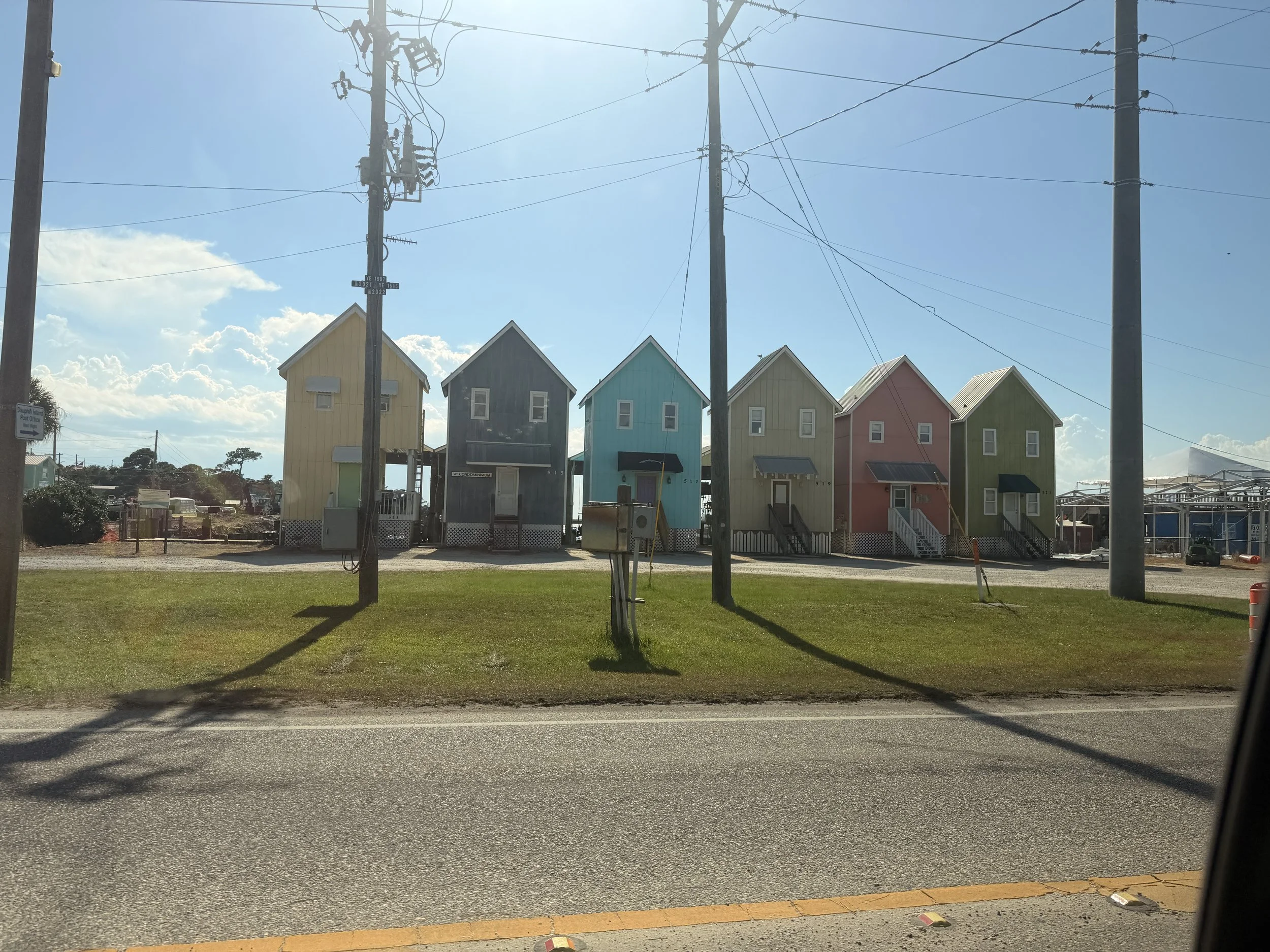
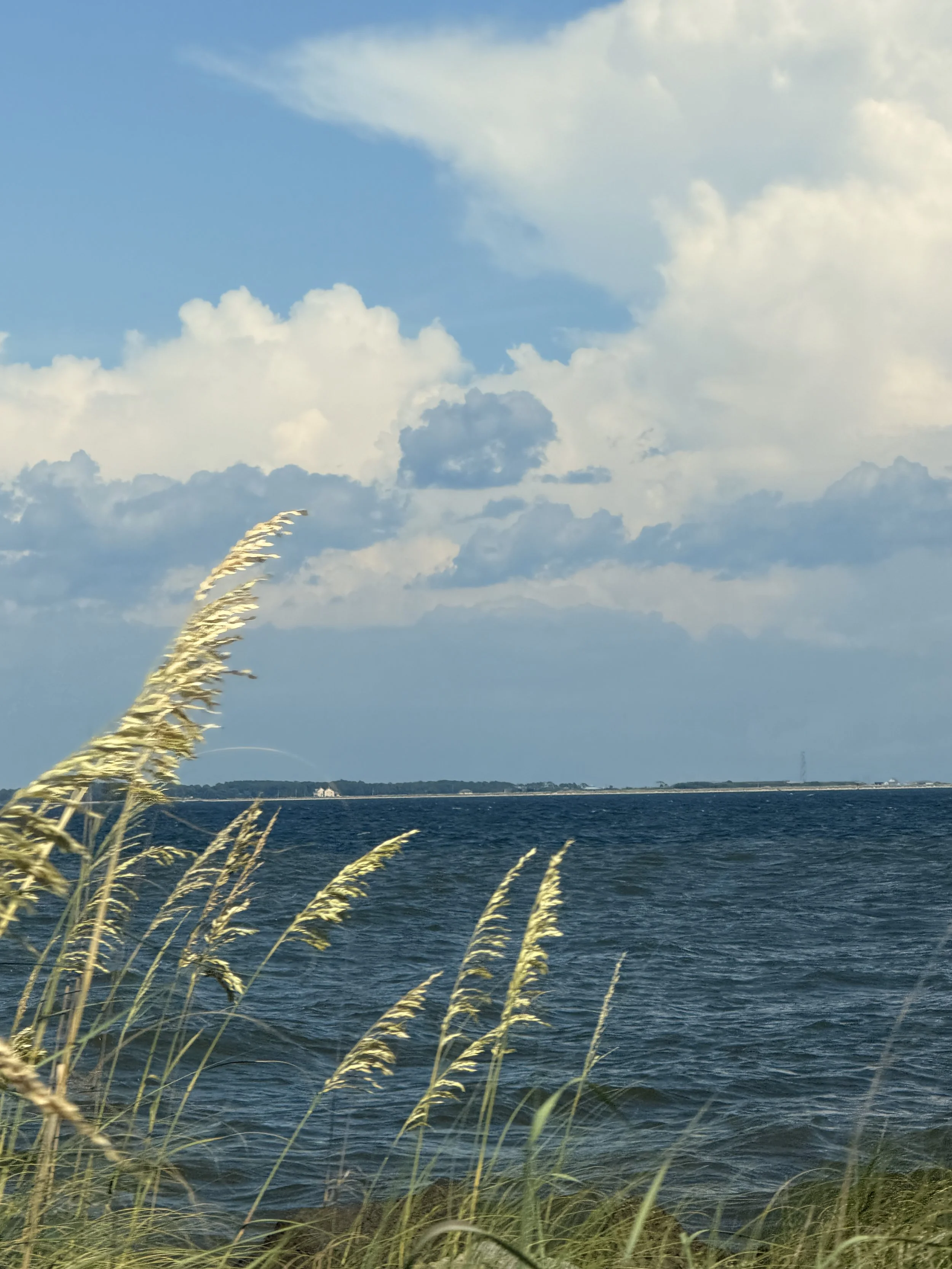
It’s one of the more popular places downtown, full of historic charm, buzzy bars, and local restaurants. 45 mins south of this street just past Alabama’s mainland shore lies an island at the top of the Gulf of Mexico – Dauphin Island. This island was first inhabited by native Americans as a site for middens, or traditional mounds made of bones and oyster shells. The remnants of these mounds confused European settler colonists who assumed that the piles of bones were the result of a large massacre, thus naming it Massacre Island. In 1707 the name was changed to Dauphin Island, after the heir apparent for King Louis XIV of France.
Our friend Allie, who I met at Flip Side Bar my first trip down, picked Nikki and I up and drove us across bridge after bridge, past estuaries, ports, and sprawling woods until we arrived at Dauphin Island.
Sandy beaches edge around the patchy woods of this mostly residential island. As we drove around the town, we passed Dauphin Sea Lab, a research center for marine life off the shores of Alabama; Fort Gaines, a military relic from the Civil War; and the Audubon Bird Sanctuary.
We pulled into the parking lot of a beach club whose best days probably peaked in 1999. We walked across a short boardwalk to a narrow secluded beach. Of course I came prepared to swim, but there was some concern that flesh eating bacteria might be infesting the warm Gulf water. A quick search on the Alabama Beach Monitoring site confirmed that today was a good day. The coast was literally clear.
Allie sighed in relief. Vibrio is becoming a larger issue. It wasn’t always this bad.
But climate change? I interjected.
Short answer yes and long answer yes, she laughed.
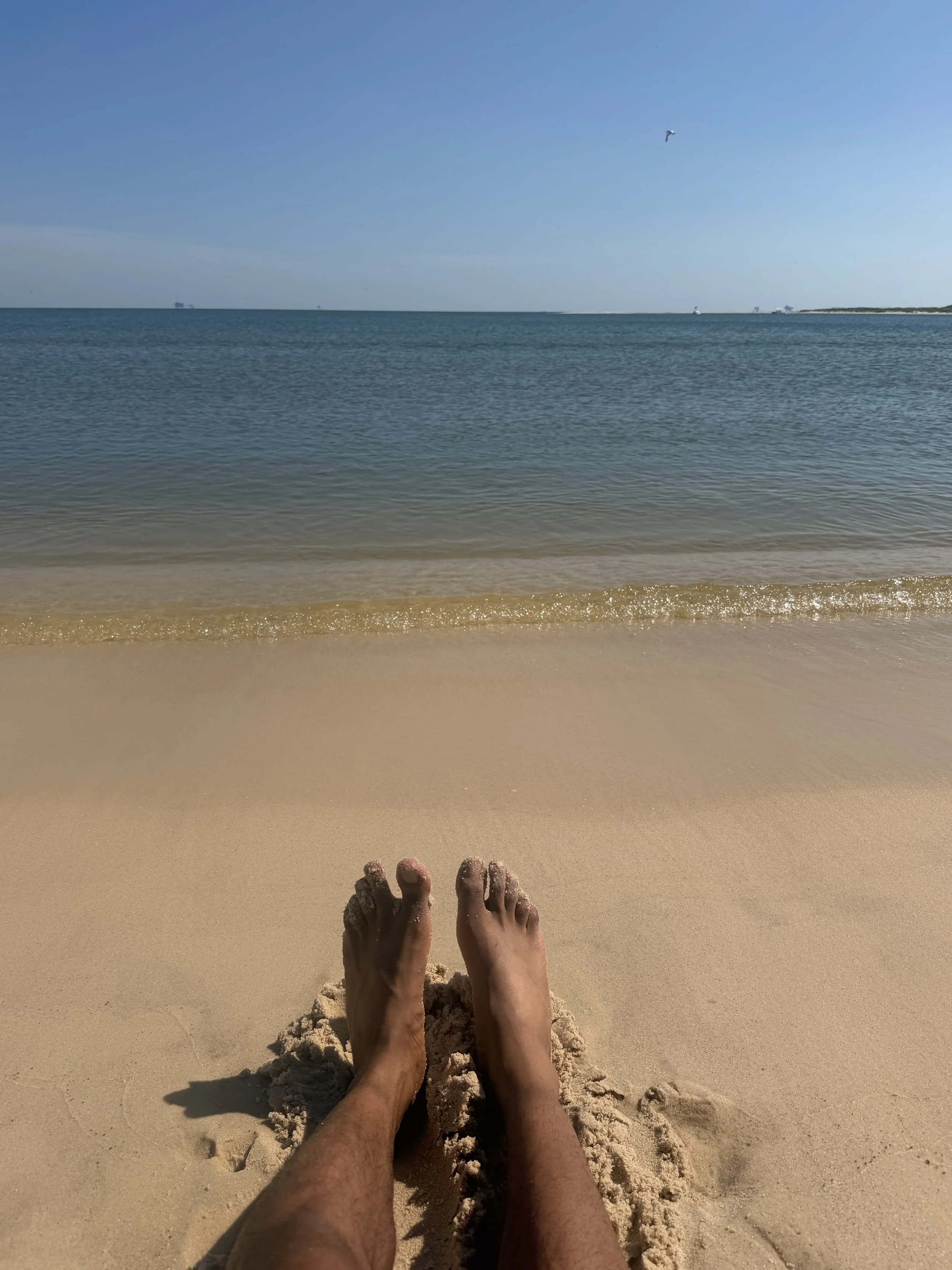
As I stepped into the water, every childhood moment at the beach in the Gulf came rushing back. I didn’t realize how much I missed my ocean water feeling like a bathtub, rather than the rocky cold New England water. I simply sat in the water as the cool breeze caressed my face. Could this island be a site for a Hair Painting performance?
On the drive back, I noticed that Columbus Museum had posted an image of a family standing in front of my Hair Painting on display in their main hall. Art is meant to be shared. It’s meant to be experienced. I’m so happy that my work continues to inspire all that witness it. The alignment of this post felt undeniable.
Dauphin Island, I will be back.
JULY 19, 2026 — DRAG AWARDS - CELEBRATING RESILIENCE AND BEAUTY.
I know a lot of us have watched RuPaul’s Drag Race. Beautiful queens show their charisma, uniqueness, nerve, and talent on television screens across the world.
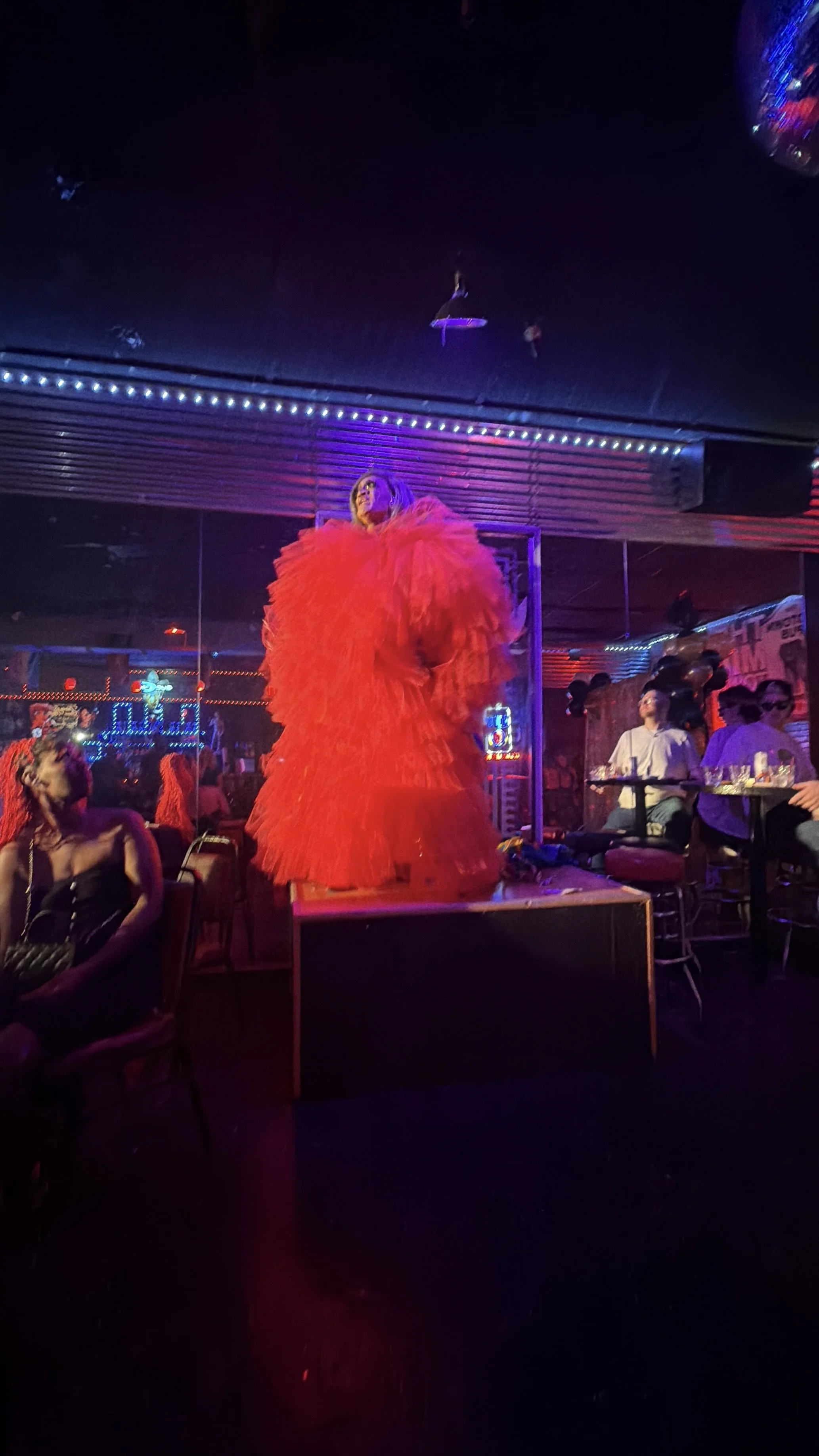
The familiar pomp and circumstance of the final episode ends with one queen who is crowned the next drag superstar. Well, I had no idea that this Sunday Mobile would host a drag awards show of its own: the annual Southern Drag Network Awards, featuring performances and prizes for the South’s best drag queens, allies, and queer businesses.
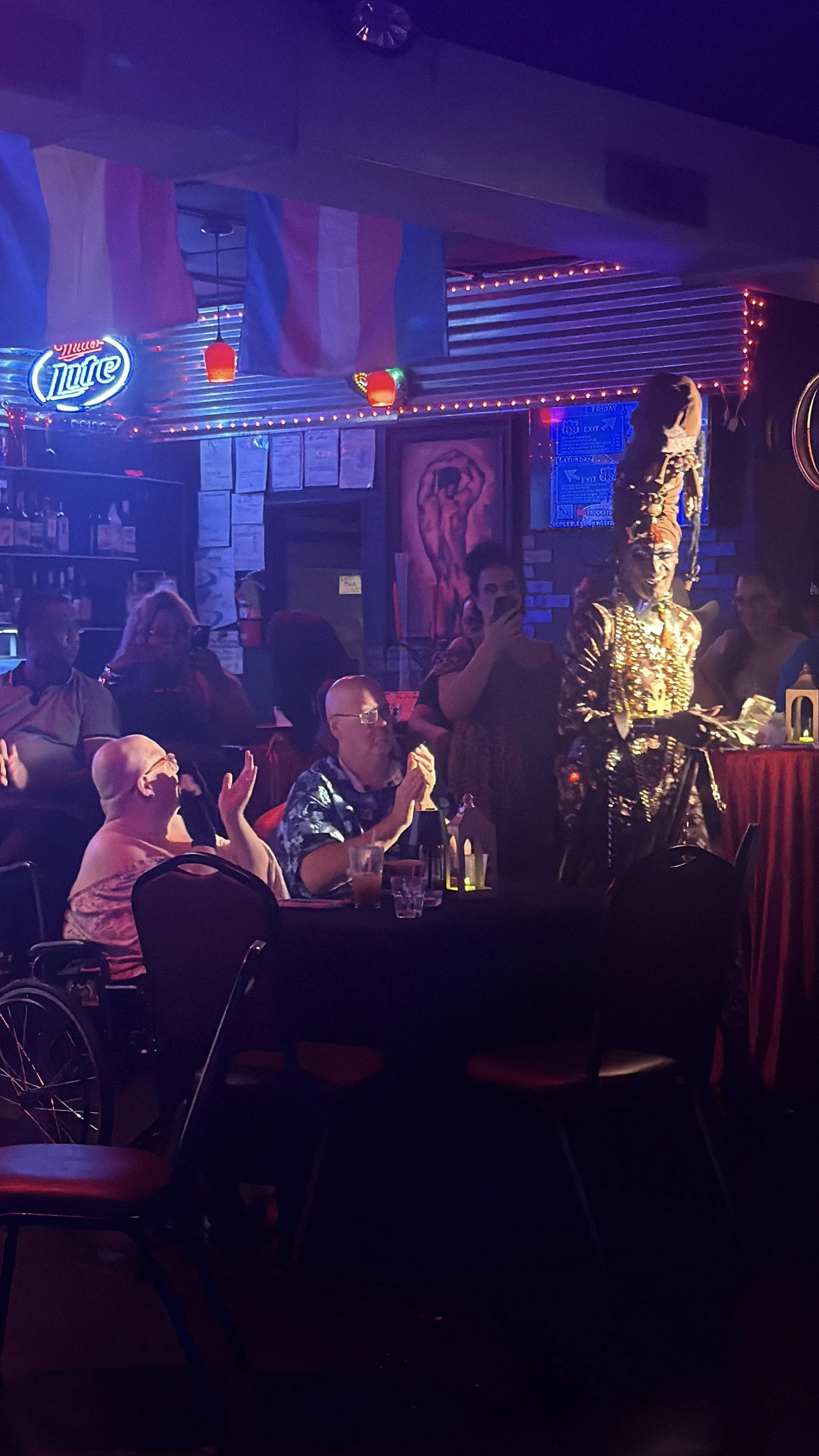
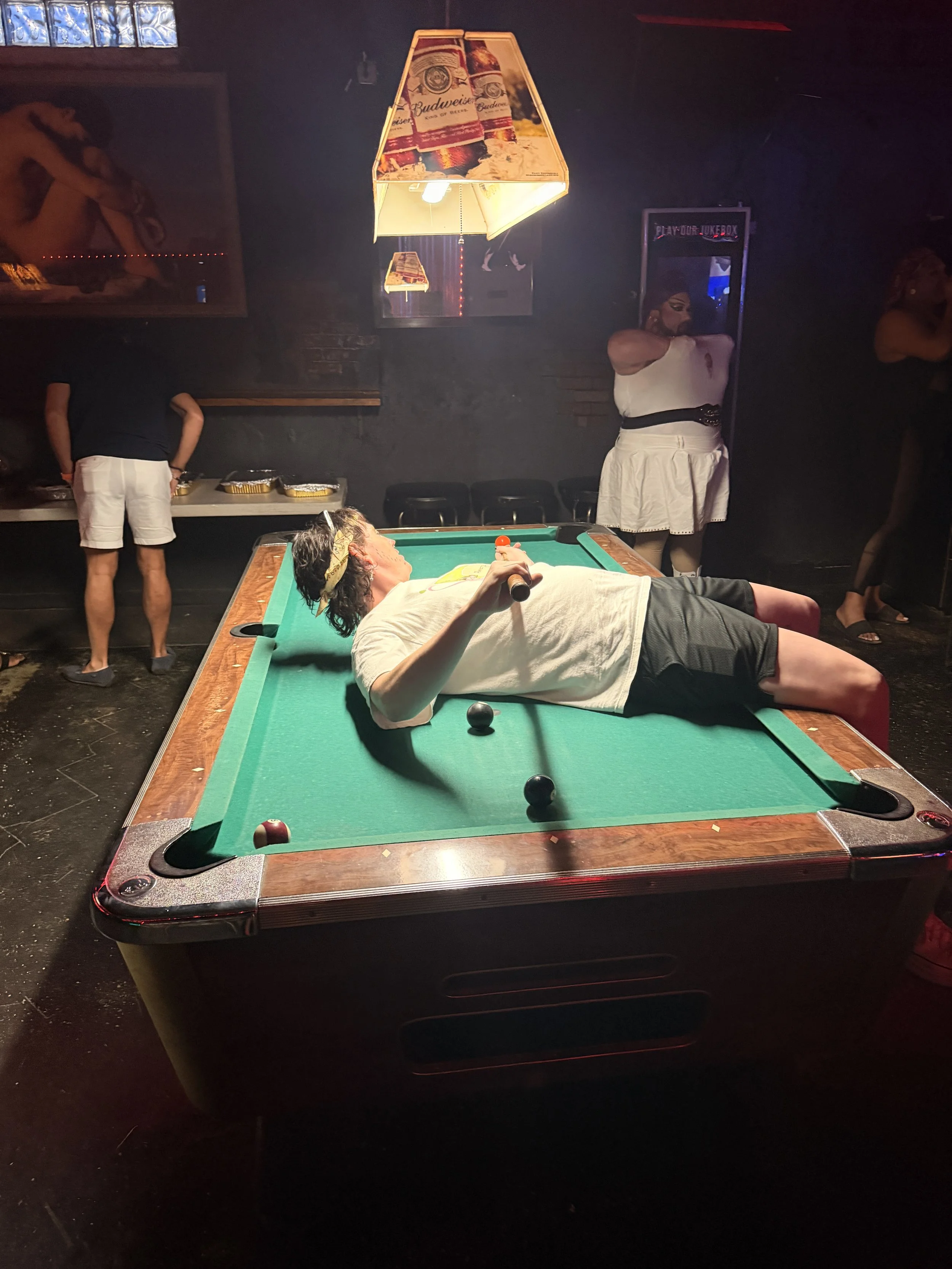
Before Nikki and I could even enter Midtown Pub, a smoker-friendly gay bar in Mobile hosting this year’s event, we were gagged by a tall, beautiful queen in an all-white suit dripping with jewels and sequins. Her blouse had a draped neckline, complete with an oversized white rose, equally blinged out.
You look so amazing. I rushed across the sidewalk onto the rocky parking lot.
Ah thank you baby.
May I ask your name.
Sh’ree Welch. Nice to make your acquaintance.
Her entrance into the space not only turned heads; her fans ran to give her hugs and kisses. Obviously if you are looking this good your reputation precedes you. Familiar faces, drag queens and supporters I’ve recently met, are sprinkled across this large bar. In some ways this bar gives classic American bar. Definitely a few steps above a dive bar, booths run across walls, with square and circle tables sprinkled in the middle of the space. A long bar runs along a facing wall. The back bar of course has a pool table. But for the event tonight, folding tables accompany the games, as local cooks bring in aluminum pans stuffed with roast chicken, fried fish, greens, and mashed potatoes.
Oh so this is an EVENT event.
Nikki laughed, yes girl, you know they gotta feed us too. We might be here all night.
And honey, we were.
One of my favorite performances was by our girl Sh’ree Welch. You see, there’s Badus and Badon’ts. And her three-song, lip-synched medley of Erykah Badu hits was definitely done right! Sh’ree entered carrying a host of luxury branded bags while her wrapped hair balanced at least three feet tall on her head. She gave Erykah vibes, and the crowd ate it up. She also received an award that evening, recognizing her 47 years as a drag performer, a drag mother and a father. Her calling outside of drag is helping queer youth with drug dependence. Her centers provide care, attention, and counseling to a community often the highest at risk.
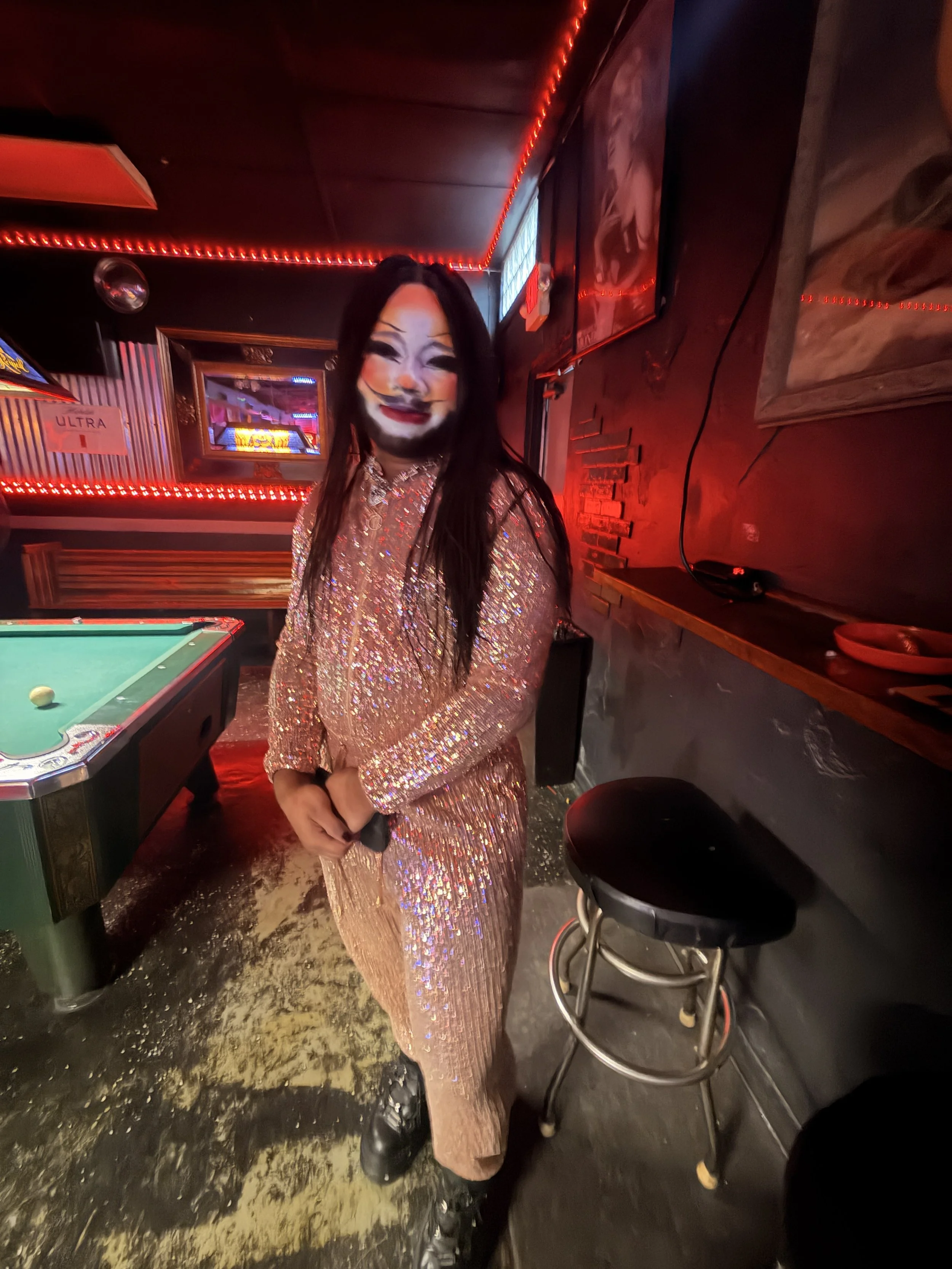
Drag performances and lip synchs, numerous awards, and three hours later, we had finally arrived at some of the final awards of the night, including Transperson of the Year. Nikki who was nominated for the award, sat with her ironically drawn mustache, totally not expecting to win.
And the award goes to….
Honestly I couldn’t hear the name. But I know it wasn’t Nikki.
Going once, going twice. Well she’s not here. So the award now goes to Wanda Doomy.
Omg you won!
Nikki stood up and walked towards the mic, tonight I’m Nikki, but most of you know me as Wanda. She proceeded to talk about the good work that the original winner does to support trans folks in the community. And thanked them for the award.
Boom! I knew you would win!
JULY 18, 2026 — DON’T RAIN ON MY PARADE - AN AFTERNOON OF COMMUNITY CONVERSATIONS.
Today’s the day. At 3 p.m. I’ll host my first community conversation in Mobile with Alabama Contemporary.
I got out of bed, plugged in my mini microphones, and pulled out what now seems like my uniform for these conversations – a white button-down shirt with cut-off sleeves, edges starting to fray, paired with blue-to-white ombre pants.
Showered. Dressed. Ready to start the day. I met Bet in the main living room. A brown upright sat patiently against the wall, as painted figures danced across canvases. Noonlight flooded through large windows. You ready to go to Nikki’s Smithsonian talk? Yess, so excited to hear old heads talk about jazz! I was also excited to return to the Historic Avenue Cultural Center. The last time was in Mobile in April, Ms. Sheila Flanagan gave a heroic tour of over a 100 years of local Mobile Black history - all occurring around the blocks that this very building stands.
The familiar white stone welcomed us once again. We climbed the marble steps and I quickly and quietly found a seat on a comfortable ottoman right across from the panel of jazz legends (young and seasoned) from the Excelsior Jazz Band. At 142 years old, this American pillar of live music is the oldest continuously running marching jazz and brass band in the country.
They spoke with the visual aid of archived memorabilia generously brought by one of the band’s biggest fans, who shook in his chair with pride and excitement. He specifically spoke of the importance of having conversations like this, where we can remember our community's history and share it for generations to come. Also he reiterated that as someone who doesn’t play an instrument, learning music teaches our kids how to read, count, listen, and hear.
The musicians on the panel had equally meaningful accounts to share. One brass player shared that “When the Saints Come Marching In” could save a man’s soul. The spirit of the song itself, how it conjures images of Second Lines and Mardi Gras parades, how the music affirms life itself and this crazy ride of ups and downs.
As Nikki thanked the audience and panelists for coming, I felt stuck in my seat. Their words, this conversation, hit so many of the notes I tune my values and work to. The musicians stood up to leave and I stood up with them and rushed to shake their hands.
As I turned around to leave, Ms. Sheila’s smile beckoned me. I extended my hand to shake hers and to ask how she been doing. She met my formal gesture with a quick, I know you bedda squeeze my neck. I gave her a big hug. And in return she said it’s so nice to see you again.
I left the historic venue nearly in tears, overwhelmed by the love, generosity and stories.
Looks like it’s about to rain. Bet joins me on the sidewalk.
We walked to lunch dry, but left right as the rain began. Rain in the south, especially in the Gulf, doesn’t usually last long, but performs with its full strength when given the stage. We ran the three blocks to the Satellite space to wait out the surely passing storm. Ultimately, Duane, Bet’s partner, gave us a ride to and from the house where I was charging my microphones. We returned to the space with everything I needed to set up.
The rain still poured. Puddles became small creeks running along the sidewalks.
Hopefully people come to the conversation. I know if I were in NYC and it was raining this hard, I’d be at home. I finally admitted. 3PM came. Axel, Nikki’s boyfriend, was here with her, as well as Bet and me. If two or more are gathered in My name that is enough. Amen folks join in. So we began. Please close your eyes and imagine the first time you were in the water. Where were you? Who were you with? How did you feel? Excited… Scared? When was the last time you were in the water? Did you actually get in or just walk along the shore? Please open your eyes.
Childhood memories of times sliding up and down a muddy creek. Loch Ness monster myths, and unfortunate deaths loomed into the room. Confessions of lost relationships or forgotten stories were re-remembered again. Then finally the rain stopped. Two more people joined our intimate space. They shared touching moments about their grandparents or parents. How the water and land holds their remains. Poems were shared, breathing life into forgotten memories. We were vulnerable with each other and moved by each other. Of course short beats were filled with trivia facts from a tailored “Are You Shore?” Mobile. In all, while the number was small, the moment was deep.
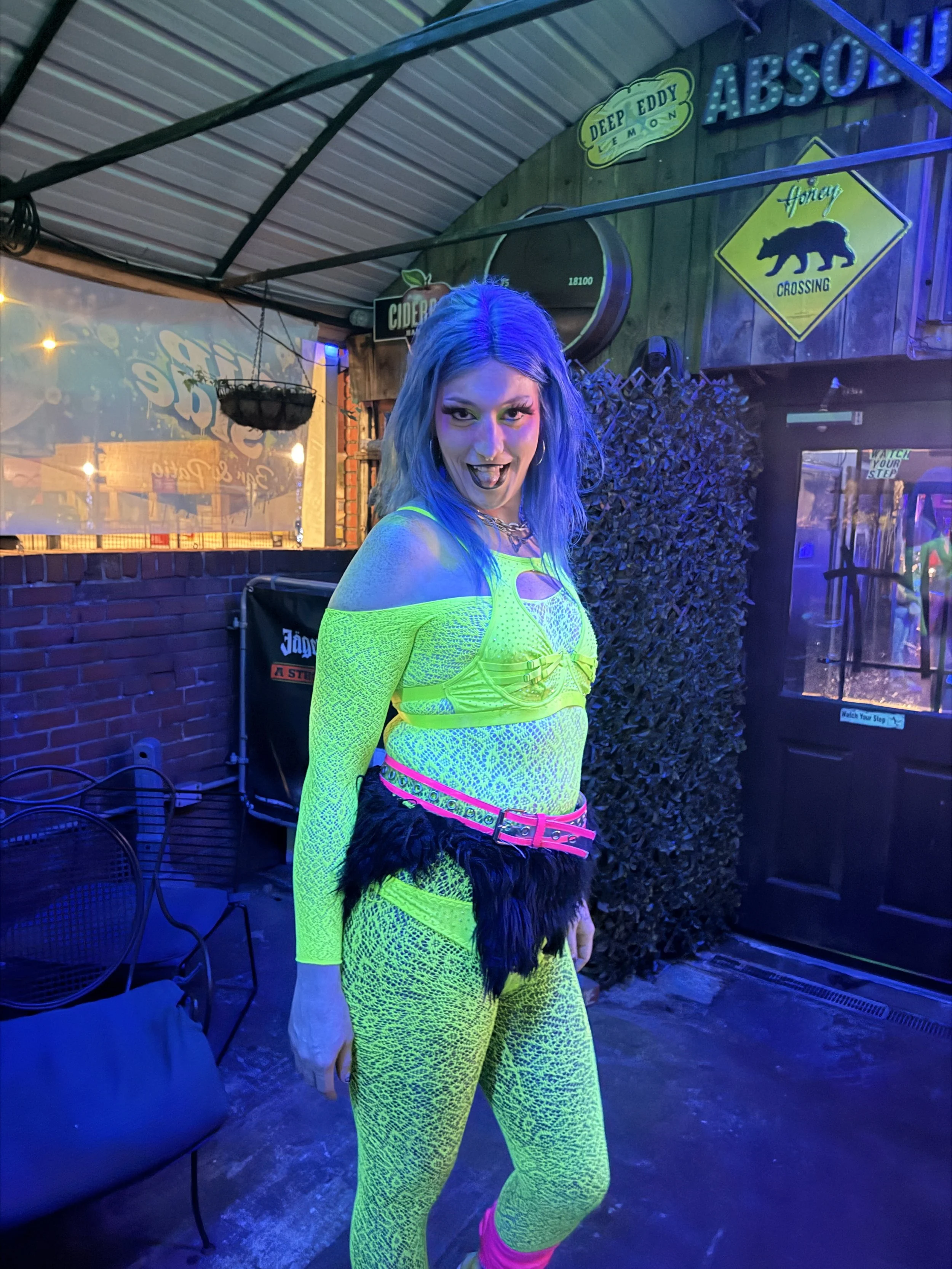
I ended this night walking past the pole vaulters throwing themselves over the professional, but still makeshift, beam. I joined Nikki at the now very familiar Flip Side bar for her drag performance. The performance ate - lip synched, leg fans, spins and dips were always fun to see. Her neon outfit literally glowed in the dark. I was so happy to finally be able to see Wanda Doomy perform. While there I ran into Allie from the last time. She offered to take me to Dauphin Island, not to be confused with the street, on Monday. As I laid my head down, I could only imagine how this jewel in the Gulf would shine.
JULY 17, 2026 — MUSEUMS KEEP OUR HISTORIES ALIVE - WATER BRINGS THE LIFE.
I woke up ready for my 11 o’clock meeting at the Alabama Contemporary Satellite space with Nikki and Bet to have a final check in about my first community conversation here on Saturday.
As I entered the space four eighth graders were in the middle of a theater game. This was their last day of a week-long performance summer camp under the guidance of Nadine, who so happens to be a local award-winning drag king. Seeing the young artists work together to build scenes transported me back to my own young theater camp education at the Springer. Anything is possible when you use your imagination. It was so nice to see them play and work.
After a straightforward, and logistics-oriented meeting, I grabbed a quick lunch with Bet. I then went to the History Museum of Mobile. I had hoped to swing by on my first trip in April, so this time I wouldn’t miss it. The museum shared nearly 600 years of history (or more, depending on how you count). Stories about Mobile’s indigenous roots began our journey. The French and then the Spanish settled the region, prized for its strategic location as a port dense with aquatic life. We moved into the Civil War. And then the World Wars. Cultural traditions like Mardi Gras had their own feature walls. In general, l thought the museum did a great job showing this town’s history.
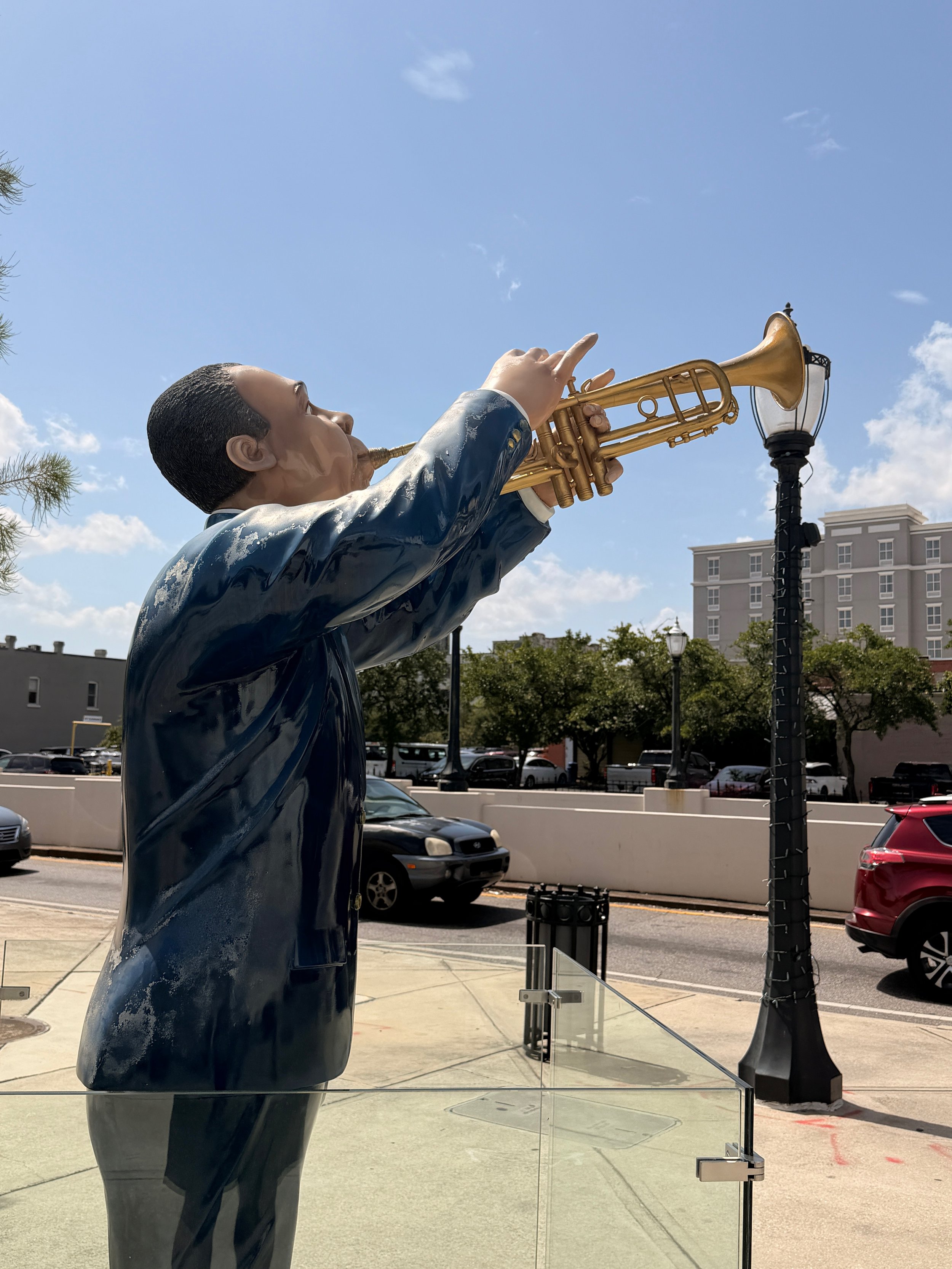
Excuse me ladies and gentlemen, a free guided museum tour is starting in five minutes.
Oooh I love a tour. As I made my way down the staircase toward the lobby, patrons visiting the museum stood patiently as the guide shared the meaning behind the hand painted tableaus that filled the walls shaping the parlor of this building, originally built as the city hall. I joined the group between a teenager and his grandma and these two retired women.
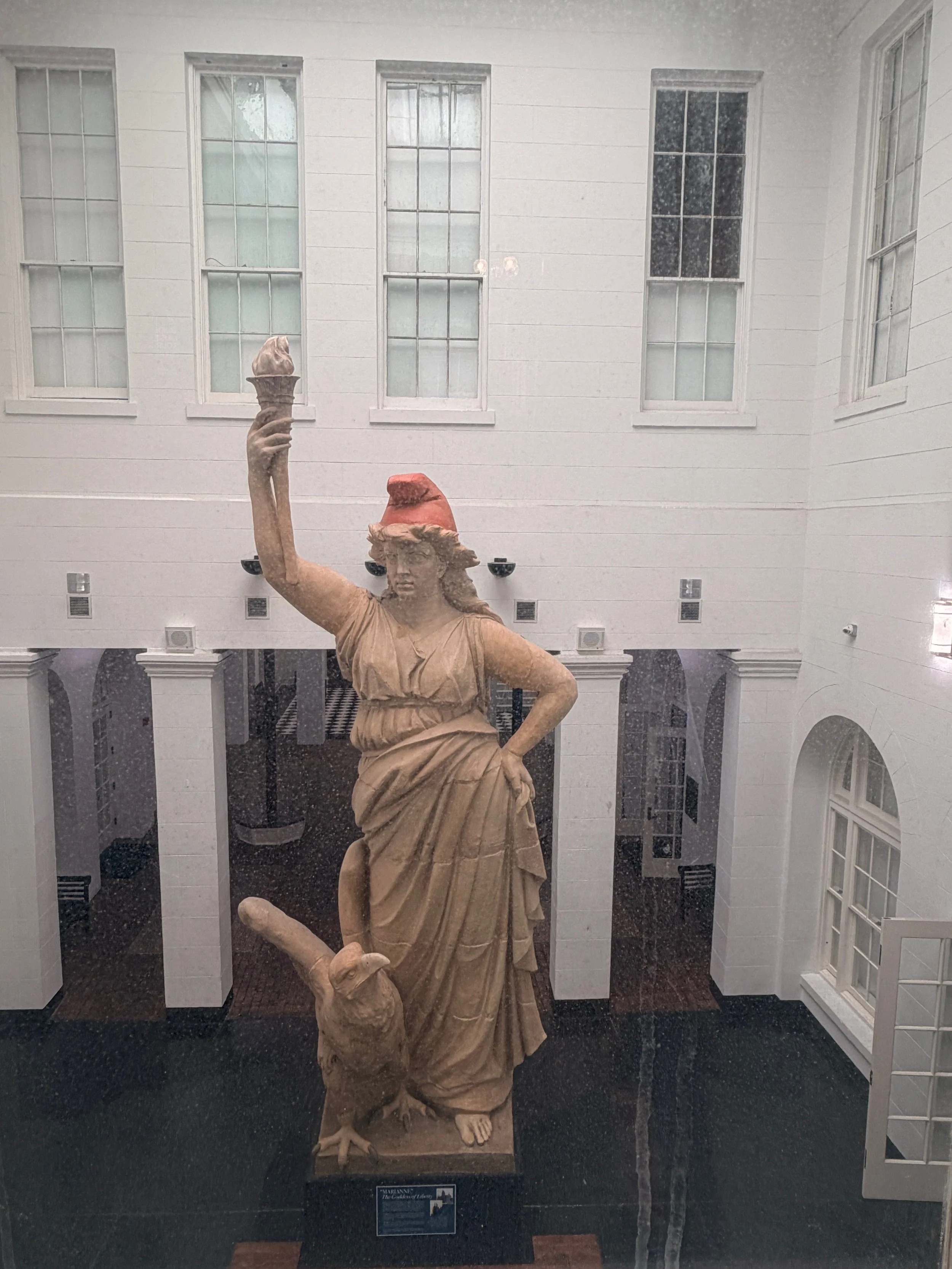
The tour began. We walked through the atrium where Marianne stands over a story high. I was immediately reminded of the Statue of Liberty at home. The familiar pose of a woman, robes draping from her shoulders, while holding a torch graced this room. Unlike the green patina of the copper Ms. Liberty in NYC, Marianne is made of terra-cotta. This warm skin is accessorized with a Phrygian cap, reflecting a traditional colonial American symbol for freedom, later adopted by the French. Resting at her feet is an eagle representing independence, a powerful way to greet visitors to a museum about a town whose history is so complicated, unique, and beautiful.
Over the hour, the tour guide walked us through years of history, culling together living local histories, oral traditions and myths, with first person accounts. My biggest takeaway from this tour is that Mobile’s water has dictated how its history has unfolded. While many towns in the south endured siege after siege, and battle after another, Mobile’s strategic location largely protected it from the intense cycle of war, destruction and rebuilding.
After the tour I returned to the Alabama Contemporary Satellite space, while the performance students were wrapping up their day. Nikki asked if I had any games or exercises that I’d be down to share with the kids. Of course, you know I have a few up my sleeves. Fifty mins later, we had played a series of movement and sound exercises, improv games and scenes, moment work, and gesture work defined by specific nouns and action verbs. I was back in my element – a classroom working with young artists to build new worlds. Speaking of building, as I walked around to find food after this great session, Dauphin was shut down and folks were building narrow platforms in the middle of the street.
What’s going out here, today?
Oh, they are getting ready for the pole vaulting. It happens tomorrow.
I guess tomorrow I’m gonna have to come down here and see what this looks like! Mobile continues to surprise me.
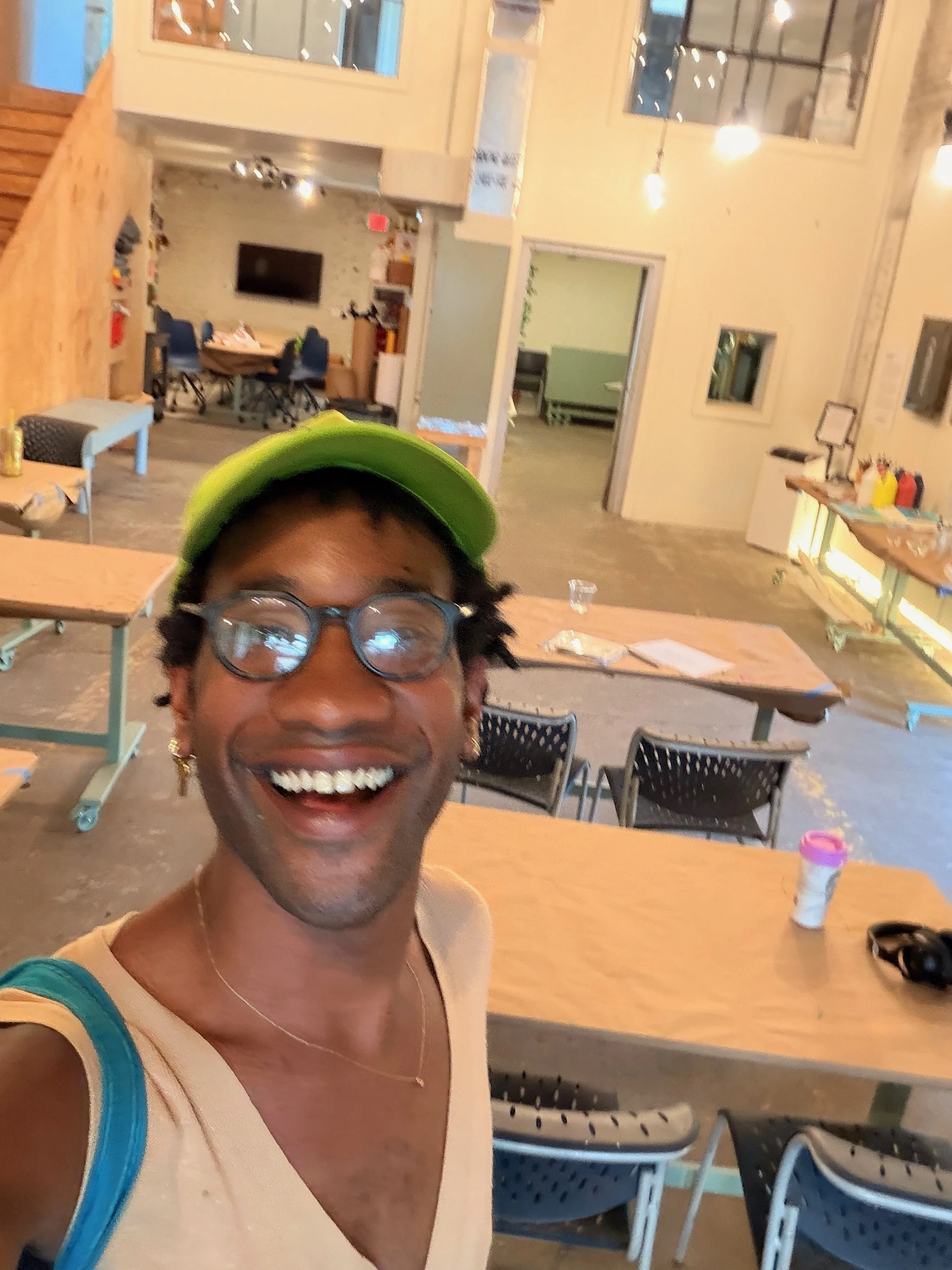
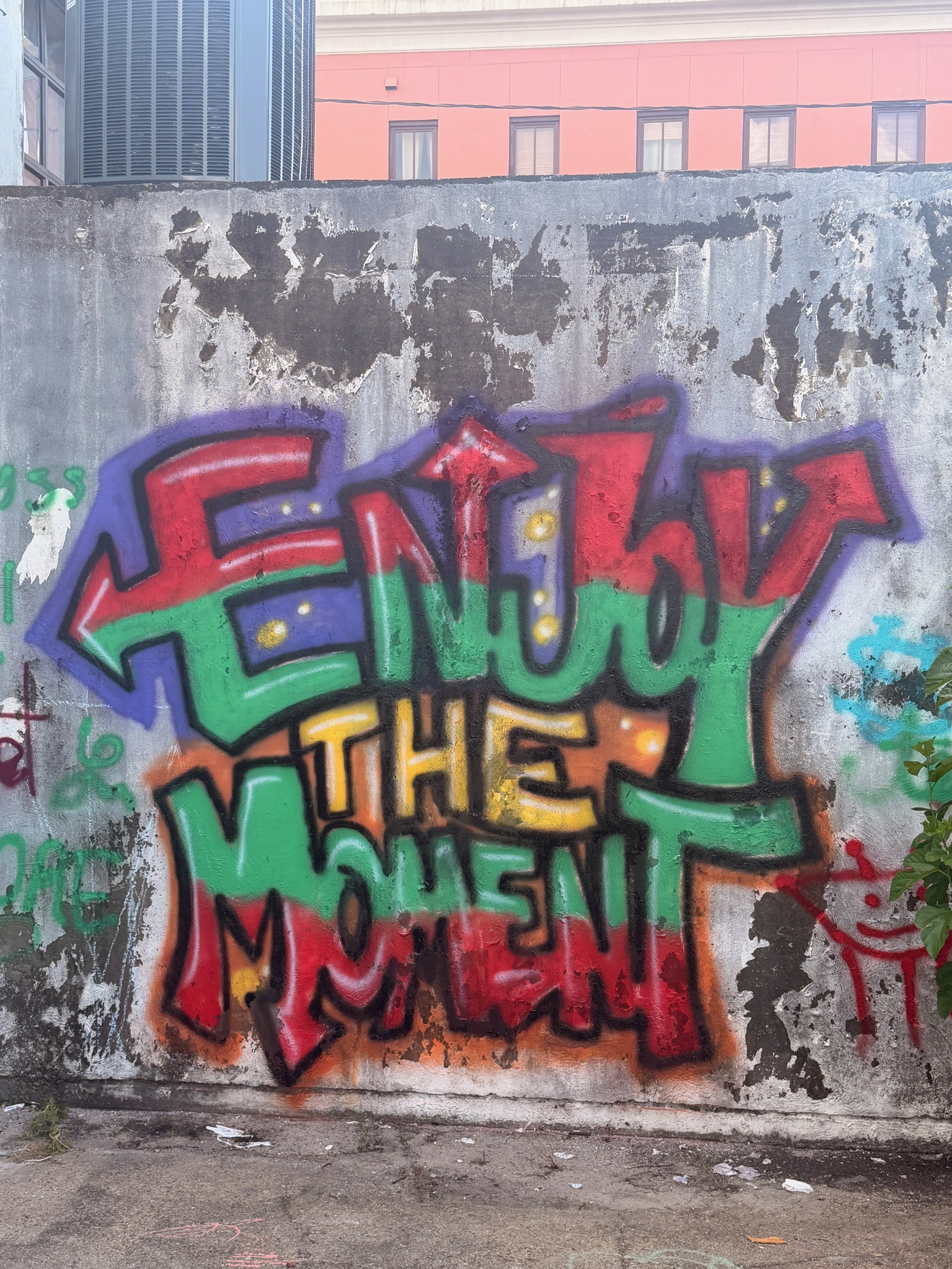
JULY 16, 2026 — BACK IN BAMA - THIS TIME WITH MOM.
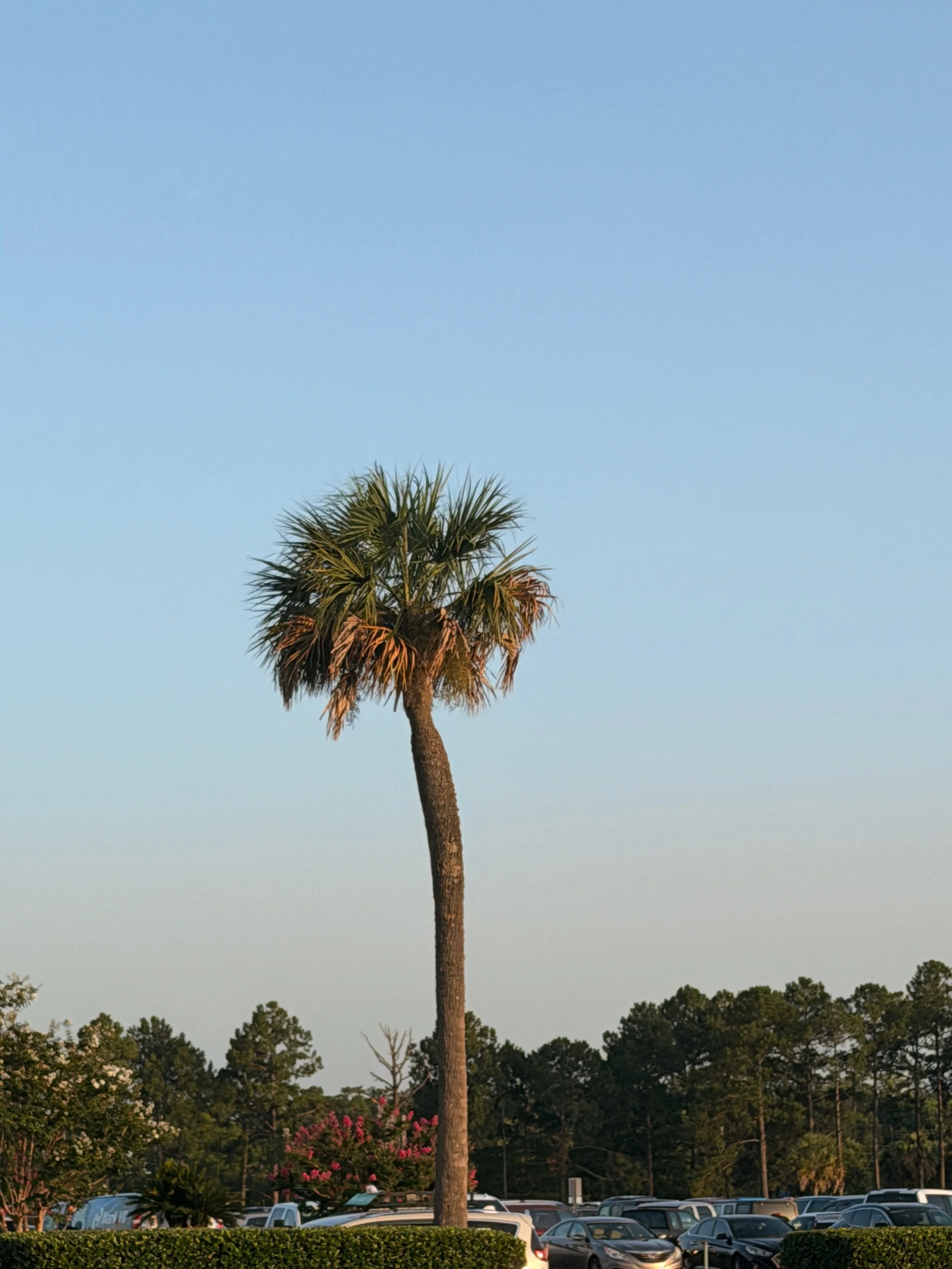
I’m back in Mobile. And guess who’s also in town. MY MOM.
We realized that we had some overlapping time in town. She was there for a church conference. As I pulled up to the curb with my suitcase and luggage, my mom waved. Back in Alabama together but a different town.
It’s so different down here from home, right? The Gulf hits different.
Oh yeah. She responds. You can really tell we are close to the water.
Palm trees climb across horizon lines. Salt seasons the wet air.
So what you wanna eat for dinner? I want like a sandwich or something easy.
Oh I know a place from the last time I was here in April. Debris. They have a great pulled-pork po’ boy.
We passed churches, auto shops, familiar and unfamiliar fast food restaurants, until finally we saw the bay. We crossed the bridge into downtown Mobile and parked right on Dauphin Street.
My mom ordered her sandwich. And I ordered a Caesar salad with fried okra-as-croutons. I realized way too late that we were supposed to be avoiding lettuce due to the threat of explosive diarrhea. So I pushed the basket of potentially sickening salad to the side.
We talked about her time since I saw her last in NYC for the Fourth of July. She came up to see the Tall Ships. Truly a majestic way to honor all those in the world who have come here to build this beautiful country we call home. I shared some trivia facts I learned from my Mobile edition of the “Are you shore?” game. It was just so nice to have my mom in a town I’m learning to love. Her presence solidifies Mobile as another home in the South.
Goodnight Mom. I’ll see you in the morning.
Of course. I definitely want to see you before I get back on the road to Phenix City. I love you baby.
She drove off, and I turned to enter the wooden door shielding a private courtyard from the street. I love Elizabet’s house. She generously offered to host me in her guest room. Alabama Contemporary has done so much for me. I was grateful that the director of this institution opened her home to me. As I closed my eyes I felt safe and full.
JUNE 21 & 22, 2026 — FATHER’S DAY AND COMING BACK TO NYC.
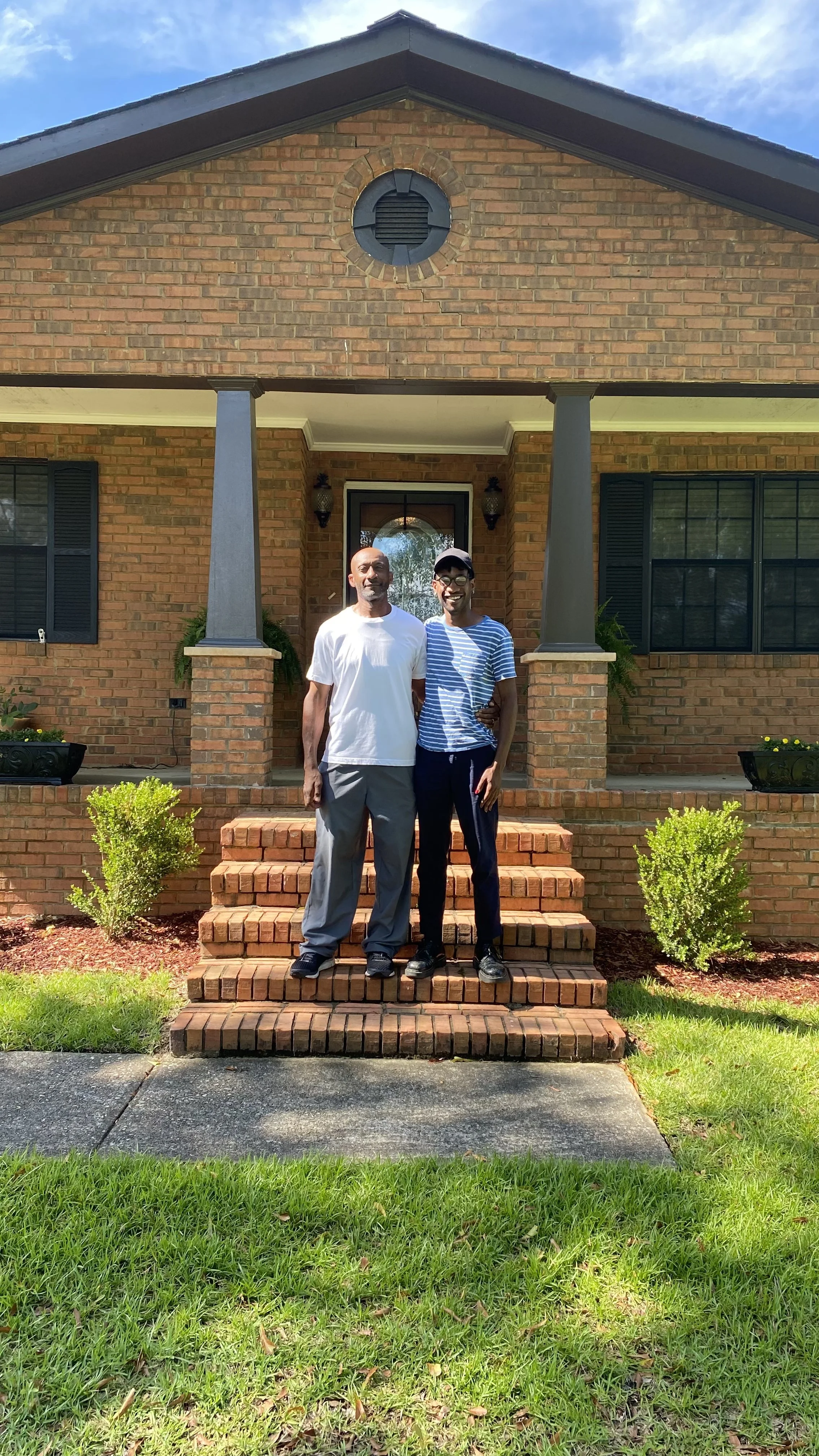
Father’s Day is always a great day to acknowledge all the dads and father figures in our lives. I’m grateful for my dad, Ken Key.
He supports my work, encourages me to do and be my best, and proudly says my name to folks even when they don’t ask.
It’s time to board. The agents at the desk offered to check my suitcase free of charge. I don’t normally give my bag up simply because the flight from Atlanta to NYC is so short, plus I hate waiting for luggage. But today, I said why not – it’ll be nice to be baggage free while waiting for my connecting flight. Thank you. I smiled. And walked on to what feels like a commuter plane: thirty seats or so filled the body. First class, comfort, and economy all felt the same to me on this plane. We left the Columbus Airport at 11:53 a.m. My favorite part about this flight is that once you get in the air, it’s already time to descend into Atlanta. 30 mins later I arrived at the busiest airport in the world.
I was back in my habitat - sitting in an airport, sipping on a glass of wine and enjoying lemon pepper wings – waiting until it’s time to go to the next place. Ding! Your flight has been delayed two hours. Of course the weather has been bad all week. But the weather in NYC, the wind and thundershowers, was the delay this time. So yes, I was back in this liminal space. I filled time writing, working on a play about the legacy of Perry Watkins, the gay Black soldier who sued the U.S. government for not allowing him to reenlist because of his sexuality. I can’t wait to share this work with you all in November.
Finally, I was on the plane.
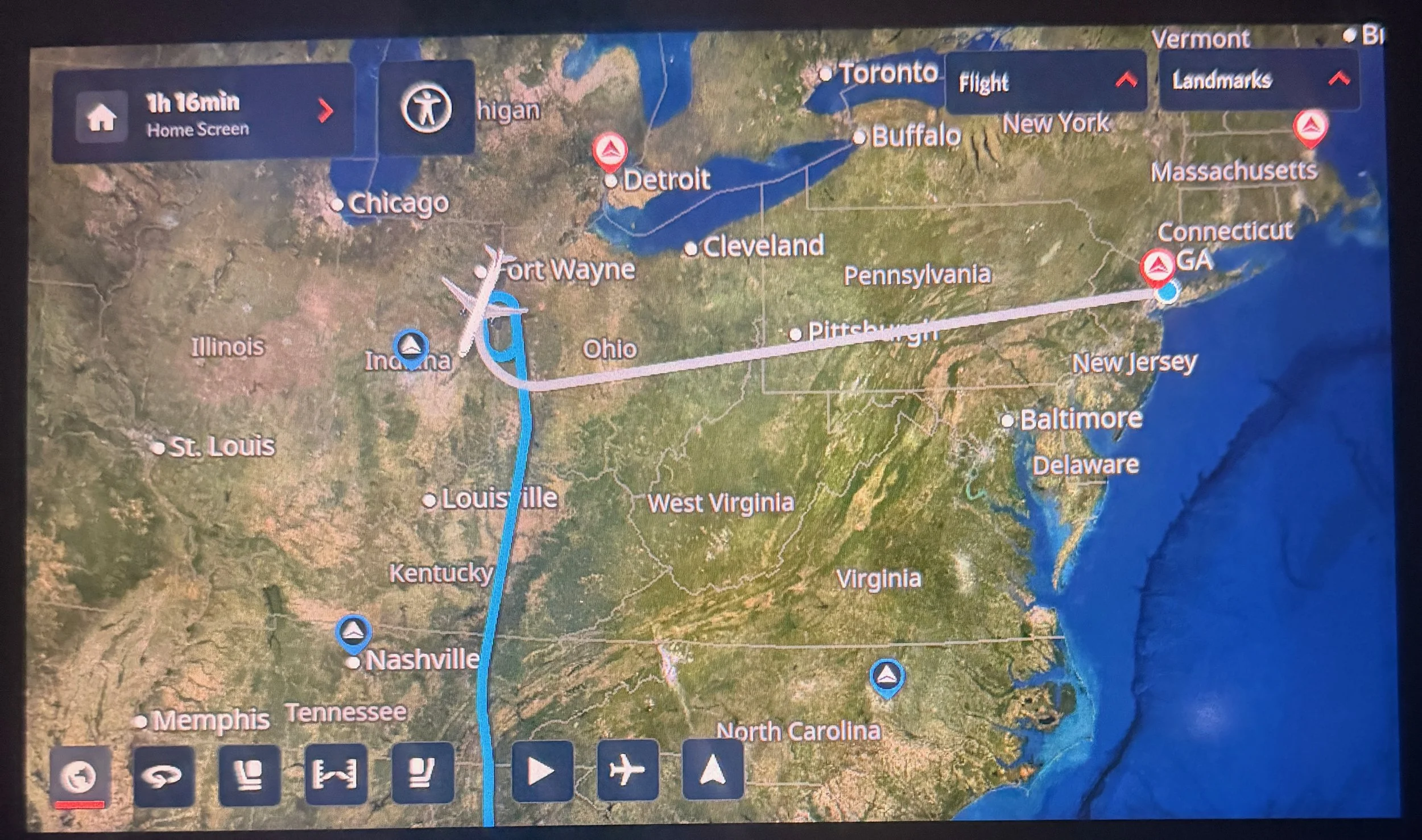
The door closed. We waited. We waited. We weren’t moving. Thus began the longest flight from ATL to NYC ever. Two hours later we were taxiing. In the air! We were on the way. Except not. The closer we got to NYC, the worse the weather got. So we waited for the storm to pass somewhere over Indiana, circling for two more hours.
This is your captain speaking, we are running out of fuel as we wait to get in NYC. We have to make an emergency landing in Syracuse to refuel and see if we can wait out the storm. Hopefully we can find a window on the radar to fly into the city. If not, we might be spending the night here.
What? Damn. You can’t play with the weather. But really Syracuse? We landed. And waited. At this point I had been on this plane for six hours. I could’ve been in London with this much time. 90 minutes passed.
Ladies and gentlemen, we have a quick window to land in NYC. We are taking it and we will hopefully have you on the ground in the city soon.
Good pilots and flight attendants are so important - we landed in difficult circumstances 45 minutes later than expected. The team worked from 5 a.m. until 1:30 a.m. Way more than a shift. So grateful for them. Definitely couldn’t blame them for this eight hour journey. At least I was finally back home. And of course my dad texted me to see if I had made it home safely, following along the long day’s journey.
Yes, I’m home. Love you, Dad.
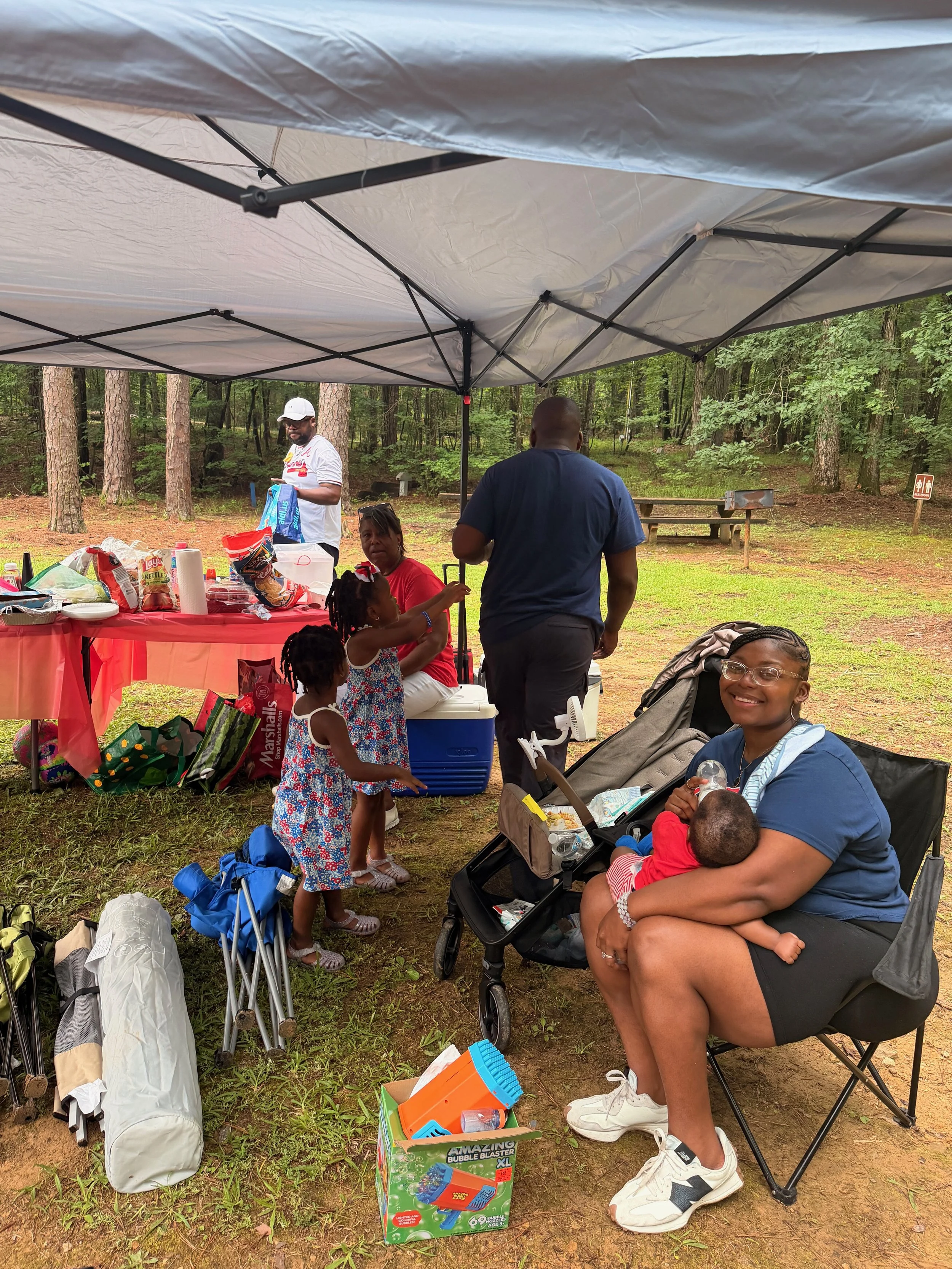
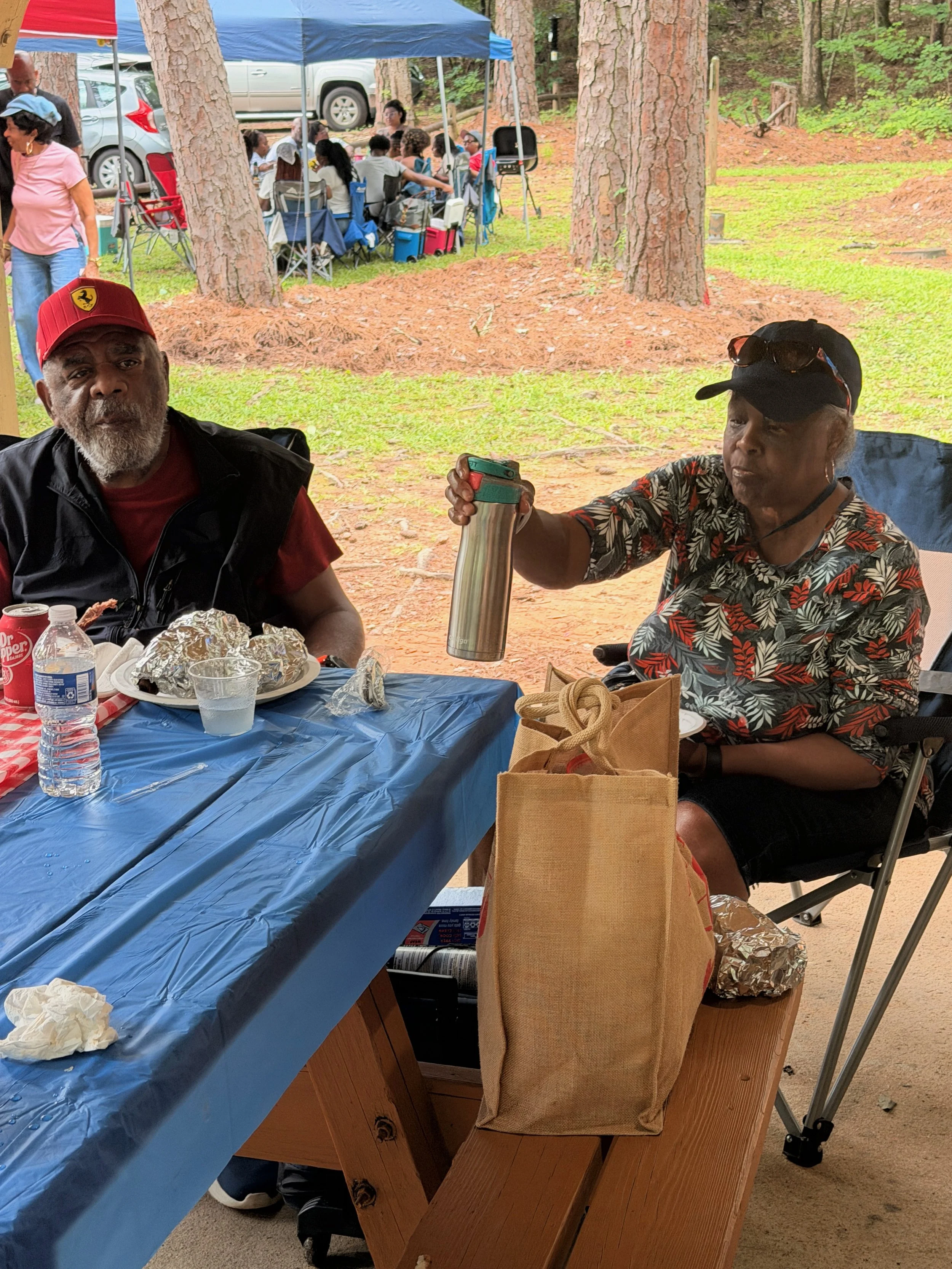
JUNE 20, 2026 — FAMILY PICNIC - CELEBRATING 50 YEARS OF FAMILY TRADITIONS.
I’ve seen many videos on Instagram that suggest picnic is a word that Black folks shouldn’t use to describe our outdoor social gatherings.
There is a seemingly common understanding that the etymology of the word picnic comes from the tradition of lynching picnics where white terrorist would “pick-a-nword” and enjoy food as innocent Black folks were violently mutilated and hung from the trees. THIS IS NOT TRUE. While lynching picnics absolutely sullied the Southern landscape, the word itself is not born from this history. In fact the word originates in France with the picque-nique. This word essentially carries the same meaning, a social gathering where folks bring food to share.
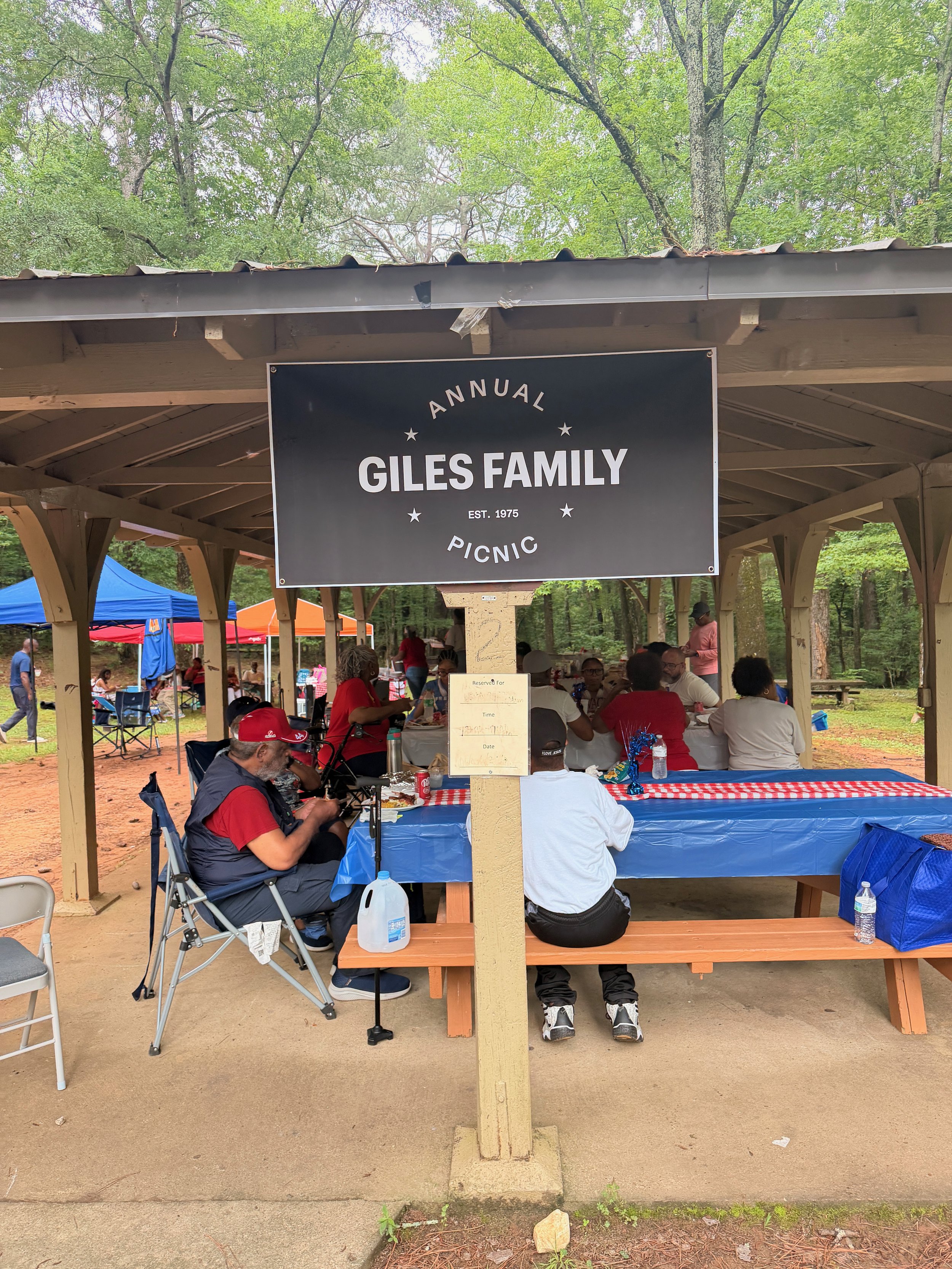
Whether you call your time outside a picnic, a kickback, or a cookout, I can say my time with the family this year was amazing.
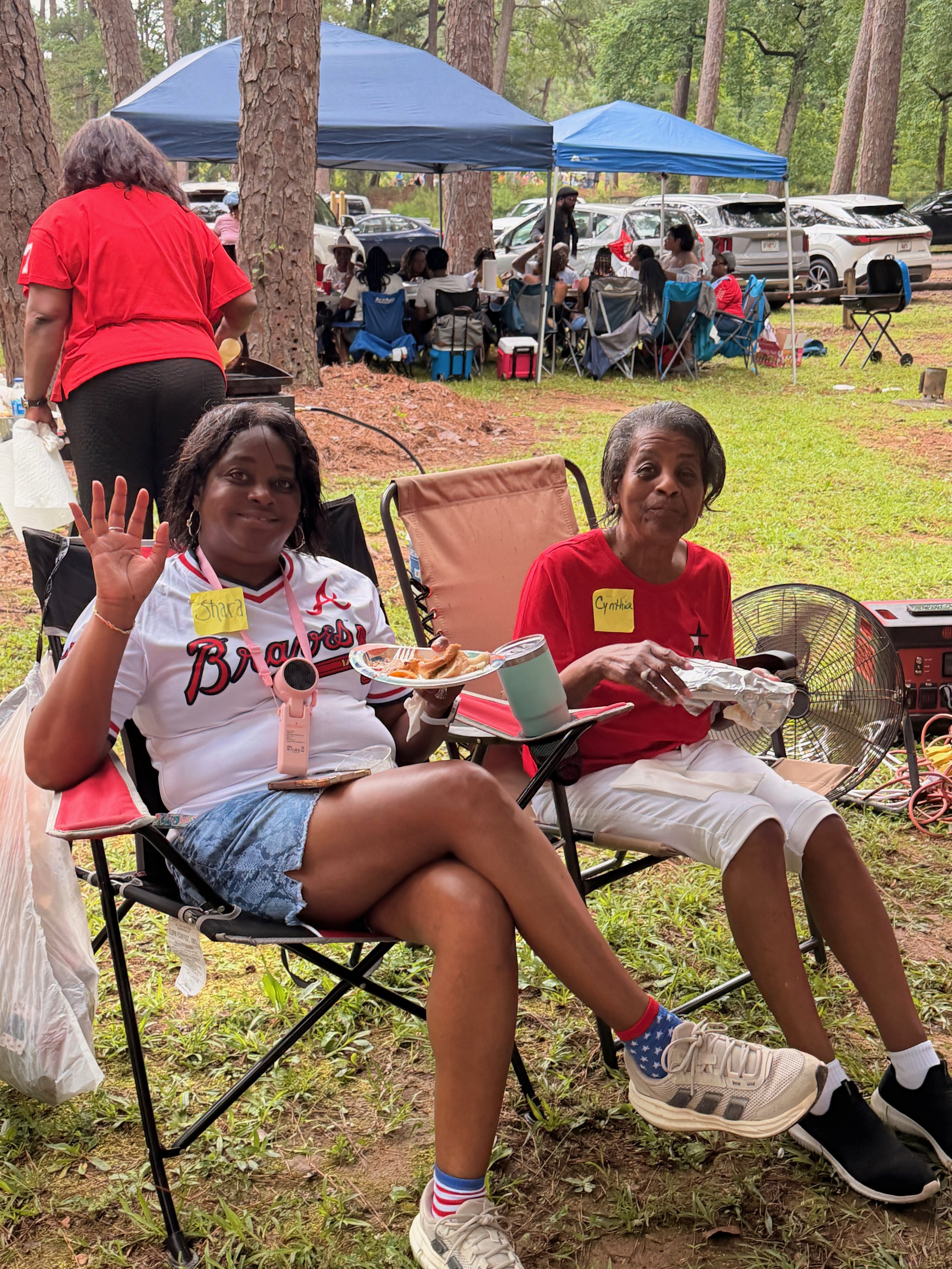
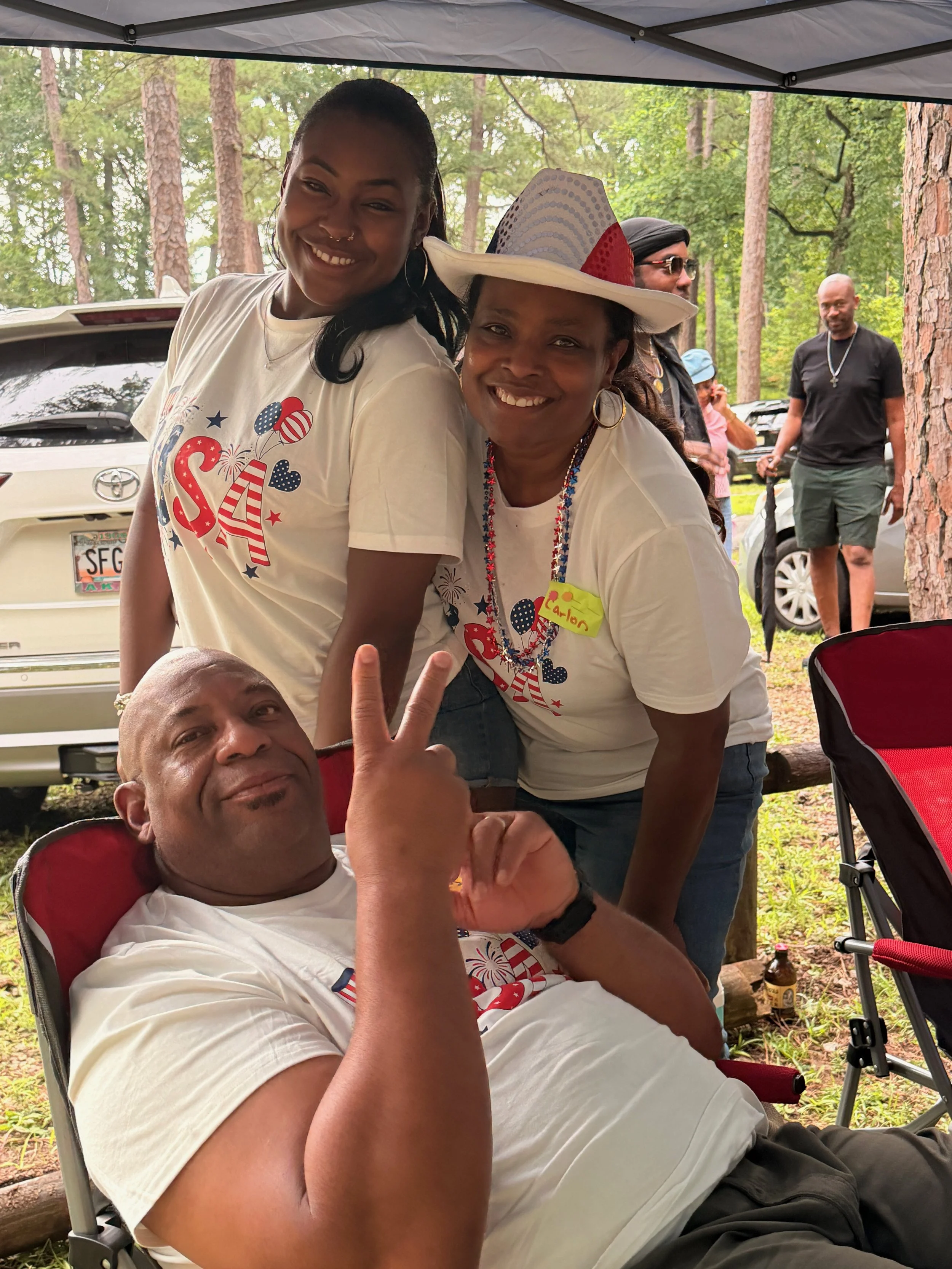
My mom and her brothers and sisters have been gathering for 50 years outside in Pine Mountain, GA. State parks and Callaway Gardens were prime spots for this annual picnic. Shaded by tall pine trees, our family sang together, cooked together, and played cards together. Watering holes, swimming pools, or manmade lakes cooled us off when the grills got too hot, or when we needed relief from the Southern humidity. What started as an easy way to bring the siblings together in the Summer has grown to an over 60 person event! This year, my mom’s first cousins on both her mother and father’s sides of the family were there. Family feels infinite. Is it even possible to meet everyone in a family? I met cousins who live in Phenix City and Columbus that I’ve never heard of. I met new babies held in mother’s arms, 90-year-old elders sat in wheel chairs, and silly kids with the confidence of a preacher. I met my mom’s first cousin’s first cousin’s kids. Our family keeps growing. Wow. We are blessed. I love them. Our family is infinite because our love is endless.
My mom essentially is the host and mc of the event now. She is the youngest of seven siblings, therefore the baton has been passed to her. She organizes the invitation list, makes sure the menu is figured out and everyone knows what they need to bring, and leads the charge for games and line dancing.
Out of nowhere, my mom’s amplified voice cut through the pollen filled air. I turned around and realized someone had given her a mic! My mom loves a mic and isn’t shy about using it. She gathered us all into five groups to begin a game she made up herself.
The rules of the game were to create a song introducing ourselves to each other – again, our extended family runs deep and the list of names are just as long. So this game was a perfect way to get to know each other. Every group created original songs, or remixed versions of cookout classics. Each group clapped and sang their songs, while the rest of us danced across the dirt to their beats. Four generations held space and celebrated another summer together.
JUNE 19, 2026 — NEW RELATIONSHIPS AND ARTS EDUCATION.
HAPPY JUNETEENTH YALL! Celebrating Juneteenth in the south always hits different.
This land holds the memory of my ancestors, who endured horrors I can’t imagine. This is the land where they fought for their freedom, building community and support systems along the way. On this day we remember Union soldiers arriving in Galveston, Texas, to share the news, more than two years late, that the enslavement of Black people was over. In the wake of this announcement, 250,000 Blacks people held in slavery in TX were freed. This day, Texas made it a state holiday in 1980; it became a federal holiday when President Joe Biden signed the Juneteenth National Independence Day Act in 2021
Five years later, I woke up, on our day off, to prepare for a conversation with the Rainey-McCullers School of the Arts, here in Columbus, GA. Named after artists Ma Rainey and Carson McCullers, this school marks the city’s first all-arts program for 6-12 grade students. As I grew up down here, an art school was only a dream. While there was not a dearth of art programming for middle school and high school students in Columbus, this school represents an incredible shift toward making art education accessible to all curious students in the city.
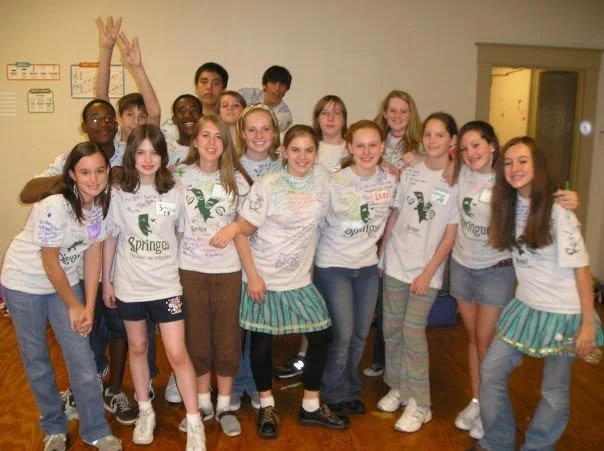
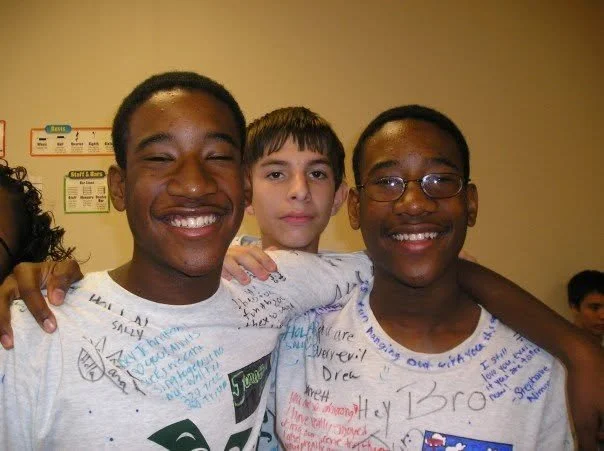
As a student, I was grateful for the theater arts education I received. I remember fondly my time at Springer Opera House. Dorothy “Dot” McClure was our local hero and has been on my mind these last few days. She was a part of a group of art supporters who kept the Springer from being demolished in the ‘60s. Through their efforts, the Springer was recognized as the State Theater of Georgia in 1971 by then Governor Jimmy Carter. In 1992, the state assembly made the title permanent. The Springer Theatre Academy started in 1996. When I arrived in 2002 more or less, studios were filled with children serious about building technical theater skills. Shakespeare and contemporary scene studies courses, paired with rigorous movement and musical theater training, grounded my early theater education. The fearless academy founder and teacher, Ron Anderson, always said, “We are learning life skills through theater skills. And it’s a wise investment.”
Ron was not wrong. Access to art transforms students. I am the product of an early and consistent arts education. In so many ways I feel like I’ve inherited Dot and Ron’s mantle. I’m so excited about cooking up something really special for these students at Rainey-McCullers. More from me soon about this as it gets firmed up.
June 18, 2026 — LET THE RAIN FALL DOWN AND WAKE MY DREAMS - MY FIRST FUNDRAISER EVENT!
If you’re a millennial that grew up watching the Disney channel, you must know that Hilary Duff is back with new music and a tour.
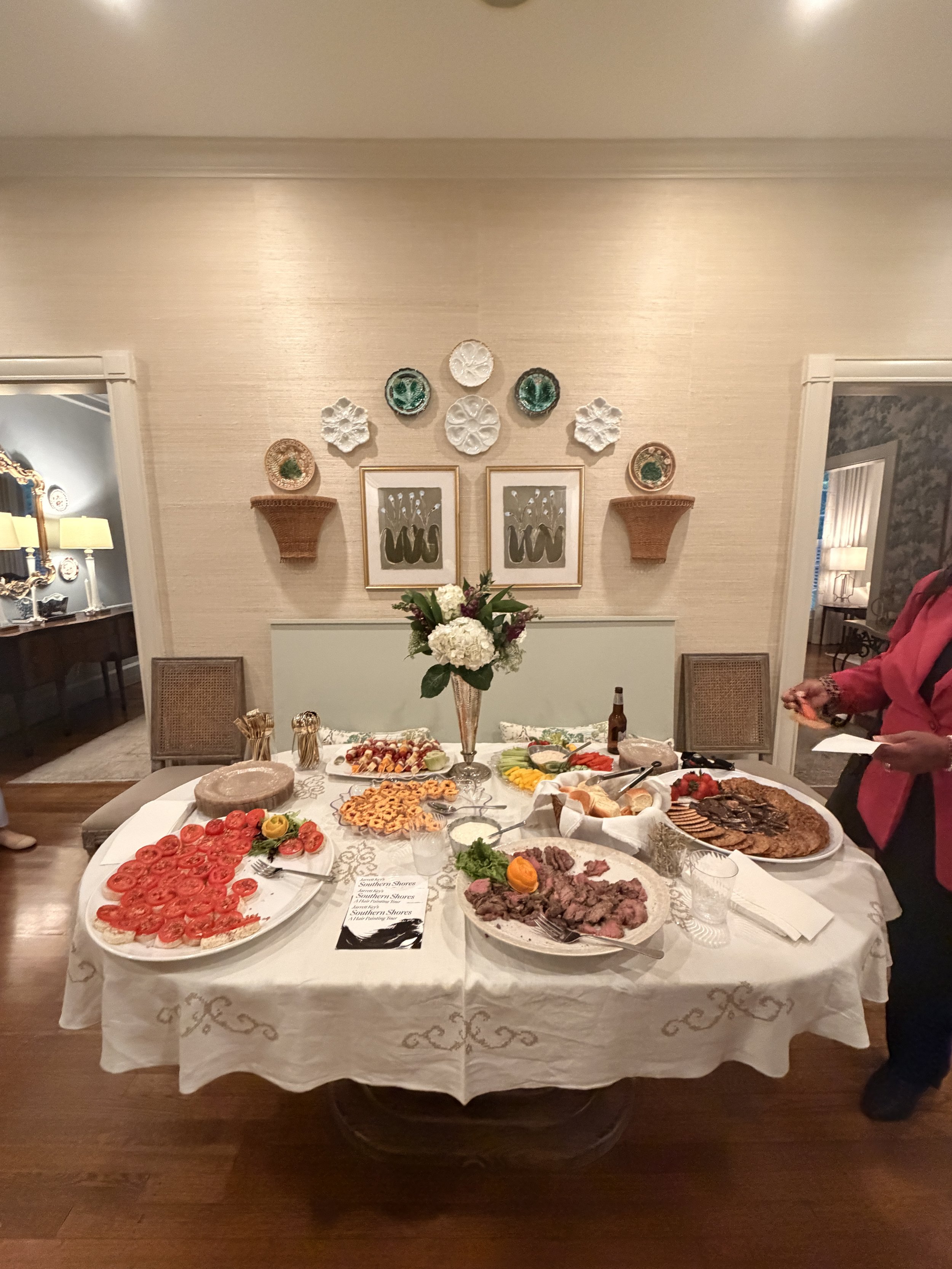
So it feels so appropriate to title this entry as a lyric from her iconic song, “Come Clean”. I must admit that I actually didn’t know the name of this song until googling it right now. Hilary’s return to the spotlight isn’t the only reason I’m quoting her – the rain on this Thursday felt straight up out of her music video. You see, this particular Thursday I was planning to have my first fundraising dinner and party at my lovely classmate’s home from high school, Carolyn Shuler (now Bettin). We had been planning this party/dinner for weeks. Carolyn had arranged beautiful catering done by popular local chefs known for their delicious large hors d'oeuvres and charming Southern hospitality.
Everything seemed perfect and ready until the clouds opened up. I sat on my mom’s porch across the Chattahoochee in Phenix City and watched the rain wash away soil and plants, until the little bramble behind her fence swelled to a creek, then a small pond. Are we in trouble?
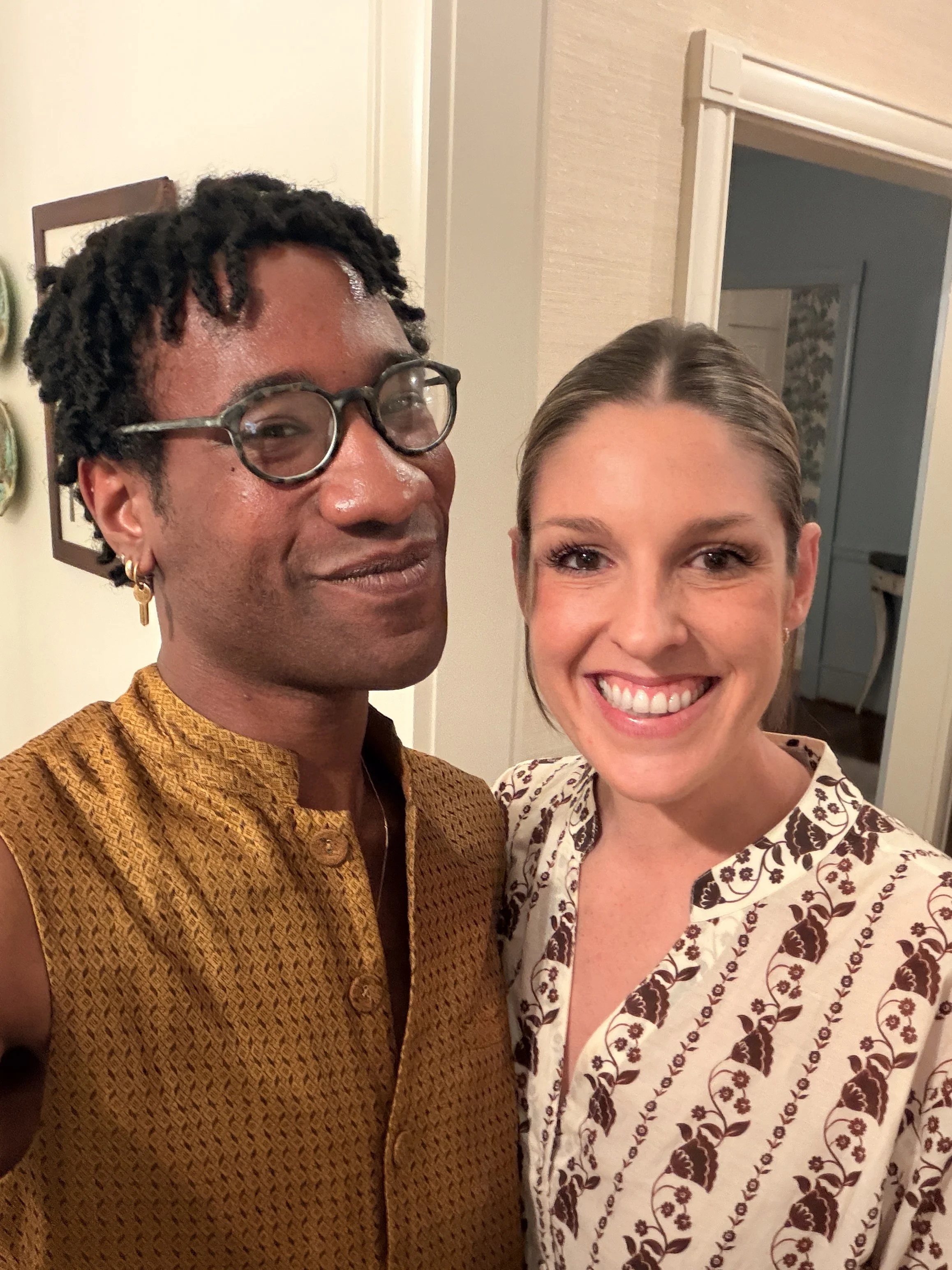
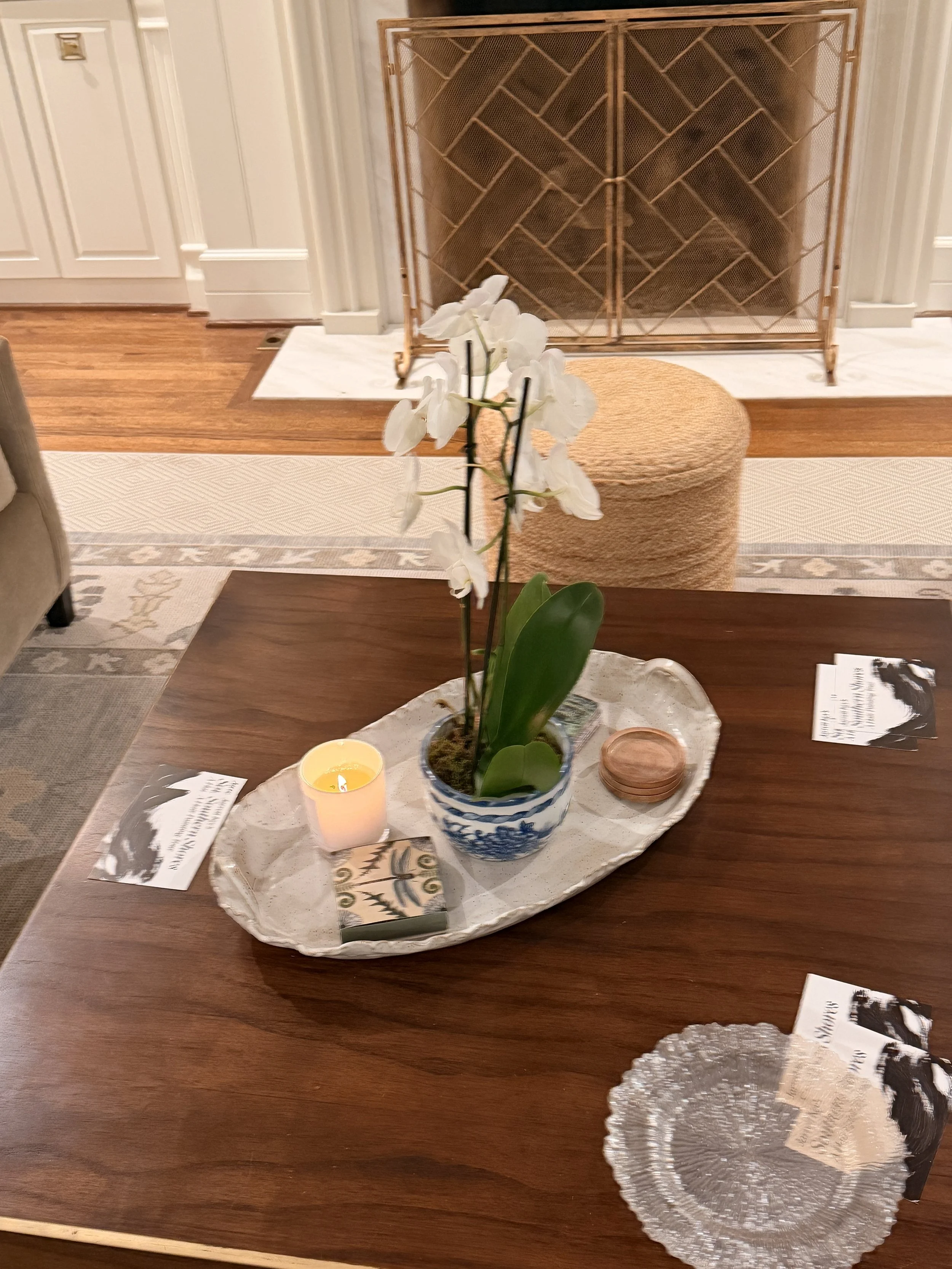
But like the mailman/person, a little rain never stopped no one from getting done what needed to be done, right? I prepared my YouTube playlist of past Hair Painting videos for an inspirational background visual, jotted down some notes for my short talk, ironed my gold Nehru jacket gifted to me by one of my best friends and fellow artist Aparna, and collected the fundraising cards meant to direct potential supporters to my Fractured Atlas fiscal sponsorship. I was ready. We were ready. Then a text: “You’re going to die. We don’t have power.” Of course this text was from our intrepid host, Carolyn – that newly formed pond wasn’t the most dramatic result of this storm. It rained so hard that many houses in Columbus were in the dark - downed trees from the 60 mph winds had pulled down power lines and damaged transformers. I called her to check in.
Are you good? Should we cancel?
No. Georgia power is on the street taking care of it. We should be good soon!
Yesss – I let out a sigh of relief and continued getting ready.
My mom and I drove over to Hilton Heights, right behind St. Elmo park and Columbus High School, and pulled into the Bettin’s driveway. As I approached the front door holding a bouquet of yellow roses with my mom right behind me, it seemed that the worst of the storm was over, until I realized that there was no light emanating from the clear transom windows crowning the front door.
I whispered to my mom, I don’t think they have power yet.
As Carolyn’s smiling face greeted us at threshold, it was clear Georgia power hadn’t taken care of it yet. Hug, hug, kiss, kiss. We walked into a gorgeous albeit dark home. We remained optimistic. Georgia power was still “taking care of it” so we took this moment to have a quick glass of wine, while I set out cards and Carolyn staged a beautiful spread of roast beef, opened face tomato sandwiches, charcuteries, fruit and dessert.
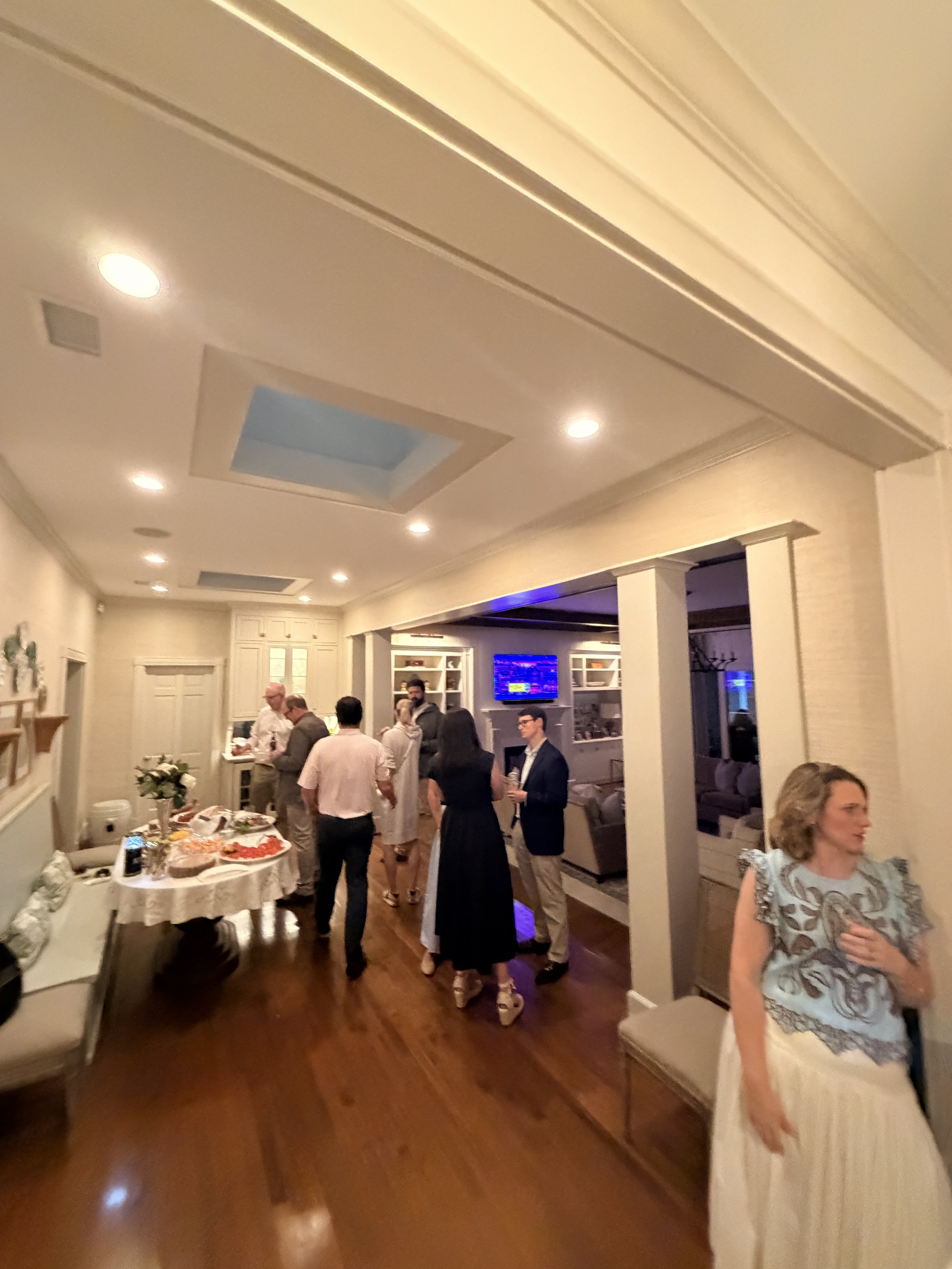
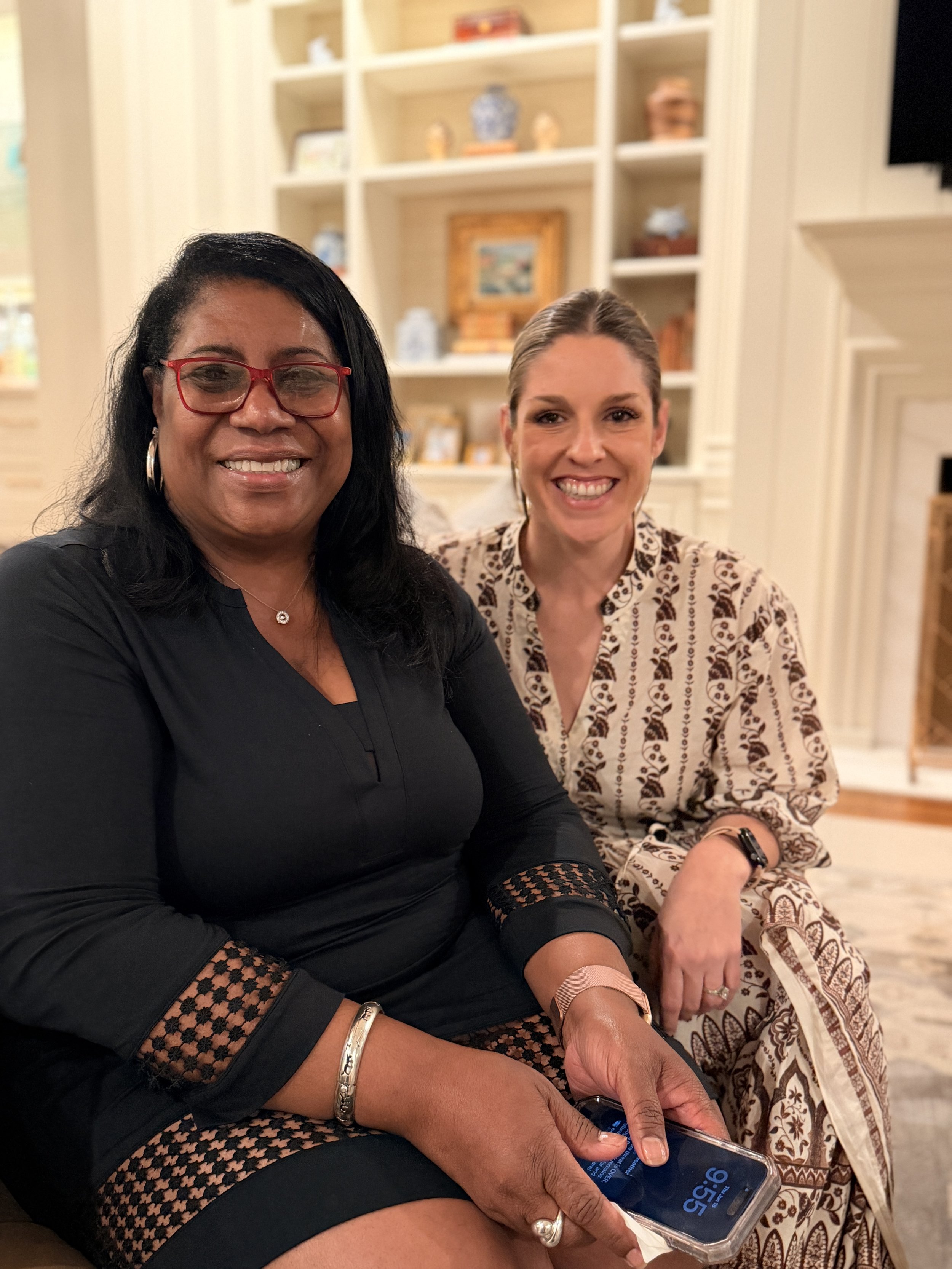
6:30 arrived and our guests poured in, as quickly as the rain had come and gone. I would say around 25 people showed up – a handsome number since our total invited count was only 27. Fearless and unbothered by the rain, newly elected council members, past classmates, collectors, and art enthusiasts all gathered under their porch catching the last bit of the summer sun, to celebrate and support my work and this tour. Then out of no where, the light retuned, as if God had separated light from dark - like on a laundry day where everything is washed clean. What could’ve easily ended in disaster turned out to be one of the more memorable house parties I’ve attended in a while.
We did it! The rain fell down and my dreams were awakened.
JUNE 17, 2026 — A PAUSE AT HOME - A REFLECTION ON PREPARATION.
My time at home has been beautiful so far.
I’ve eaten at some of my favorite places in the world: ribs from Country’s BBQ and the burrito and quesadilla special from El Vaquero. I’ve enjoyed watching episodes of Agatha Christie’s shows on BBC with my mom, and finding time to hang out with cousins who live down the street. As I stand on my mom’s back porch, I can’t help but feel the overwhelming beauty and humbling grandeur of Alabama’s woods. I was gonna say I was enjoying the quiet of nature, but if you’ve spent any time down here, the frogs, grasshoppers, and birds hardly whisper. In fact they are so loud, my partner Julian can hear them through the phone.
Now that I finally feel settled at home, I've been thinking about how rewarding preparing for this trip has been. With the donations I have received so far, I was able to purchase major equipment, to produce fundraising and advertising materials, and to acquire the necessary tickets for transportation. I am especially excited about the wireless lavalier set, fitted with two mics and a receiver for my phone. Because I am primarily shooting community conversations on my iPhone, it has been so easy having this set up for my documentation. Simply passing a mic to a community member has eased the technical complications often found with recording audio and video – plus I think folks like holding a mic.
I am so lucky to have the support of my brother, Jon Key, who runs MorcosKey, a graphic design studio, with his partner Wael Morcos. Jon has always been my go-to graphic support team.
I am enjoying the process of creating the visual assets for this tour with him: I sketch out my vision in inDesign and send him a packaged document with all the necessary assets (language, graphics, etc.). Then he takes it and zhuzhes it up. He specifically helped define the system for the tour’s poster, which I then took to shape my postcard assets and the “Are You Shore?” game. After all these years of watching him design, I definitely picked up a few tricks of the trade. I sent Jon sketches for the last couple of materials and he barely had any edits at all. So I know I’ve learned a thing or two. Being an independent artist requires so many skills, even outside the painting and performing: administrator, boss, producer, advertiser, agent, and now I can confidently add graphic designer.
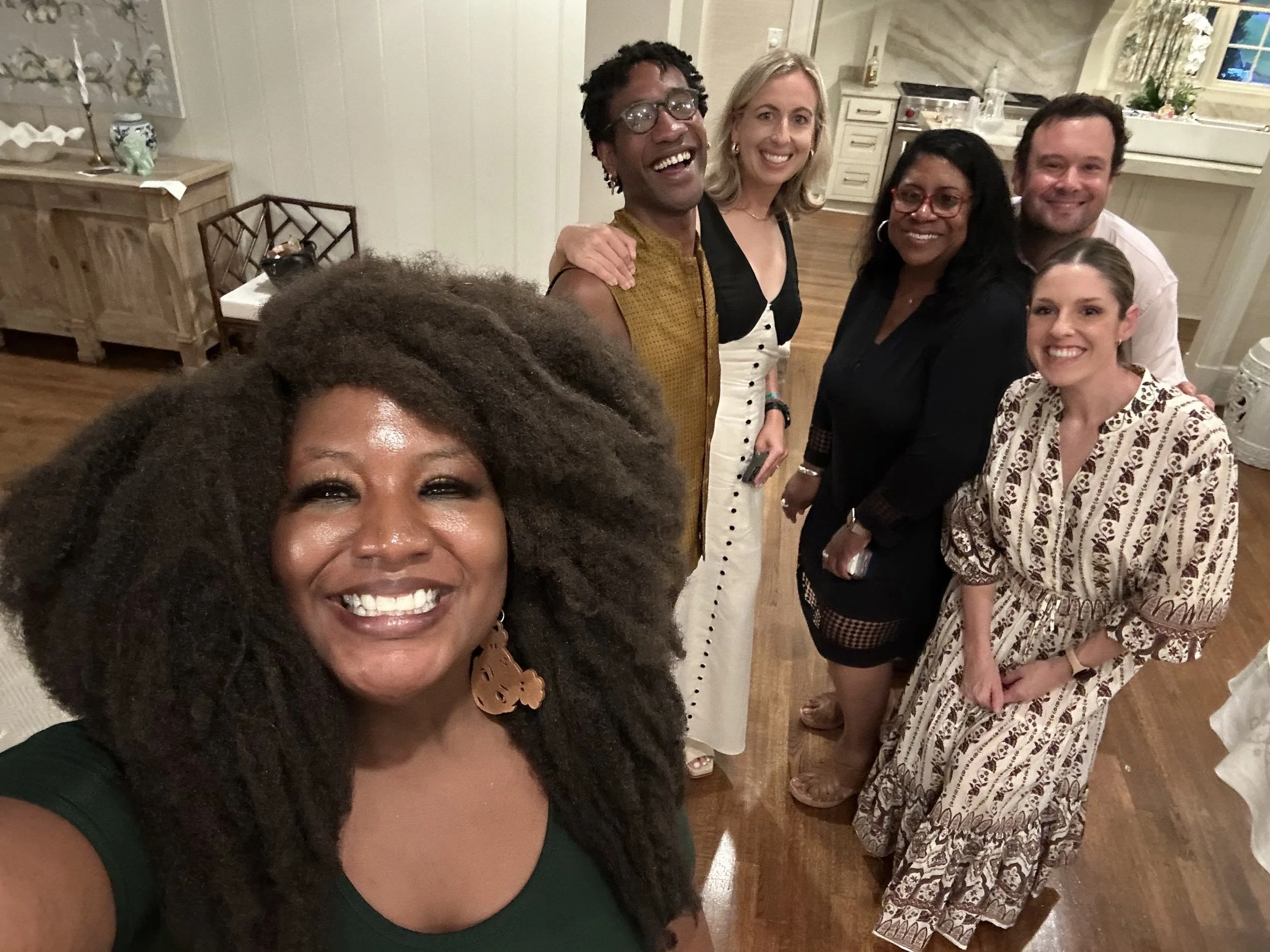
I have a couple more events in town while I’m here. Can’t wait to keep seeing so many people I love and who have defined my life while growing up. Next up is my first fundraiser dinner hosted by Carolyn Bettin. I haven’t seen her in a few years, since she came up to NYC. So it’ll be nice to see her again.
JUNE 16, 2026 — COMING BACK HOME TO COLUMBUS - SOUTHERN SHORES’ FIRST COMMUNITY CONVERSATION.
I don’t often fly from NYC to ATL to Columbus.
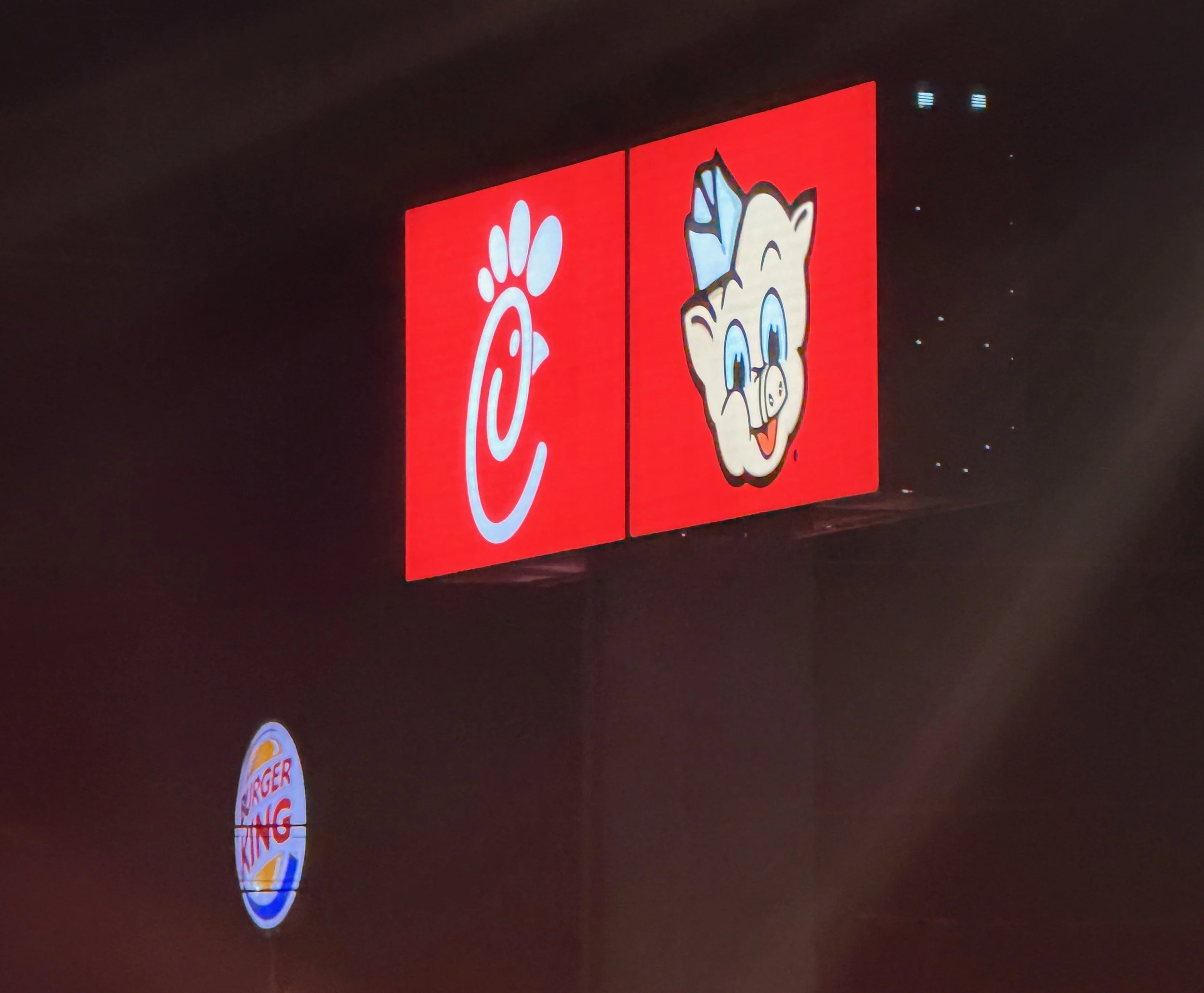
After a quick layover, I arrived home Monday to the smiles of my mom, Linda Key, picking me up from the arrivals terminal at the airport. I love being home. Nothing like Piggly Wiggly and Chick-Fil-A sharing a sign and a parking lot to really solidify that I am back in the south.
Arriving at the Columbus Museum on Tuesday was such a treat. After a beautiful renovation a couple years ago, the museum is a welcoming and accessible space now. Definitely a landmark in Columbus worth visiting. Plus if you want to see my first museum acquisition, Hair Painting No. 29 on display, it’s currently hanging in one of the main halls. I was told by one of the main curators that my piece actually had to be moved because it’s such a popular spot on docent-led tours and there wasn’t enough space for all the kids and parents visiting the space to stand or sit in front of it. Now we could have a whole dance party in front of my work.
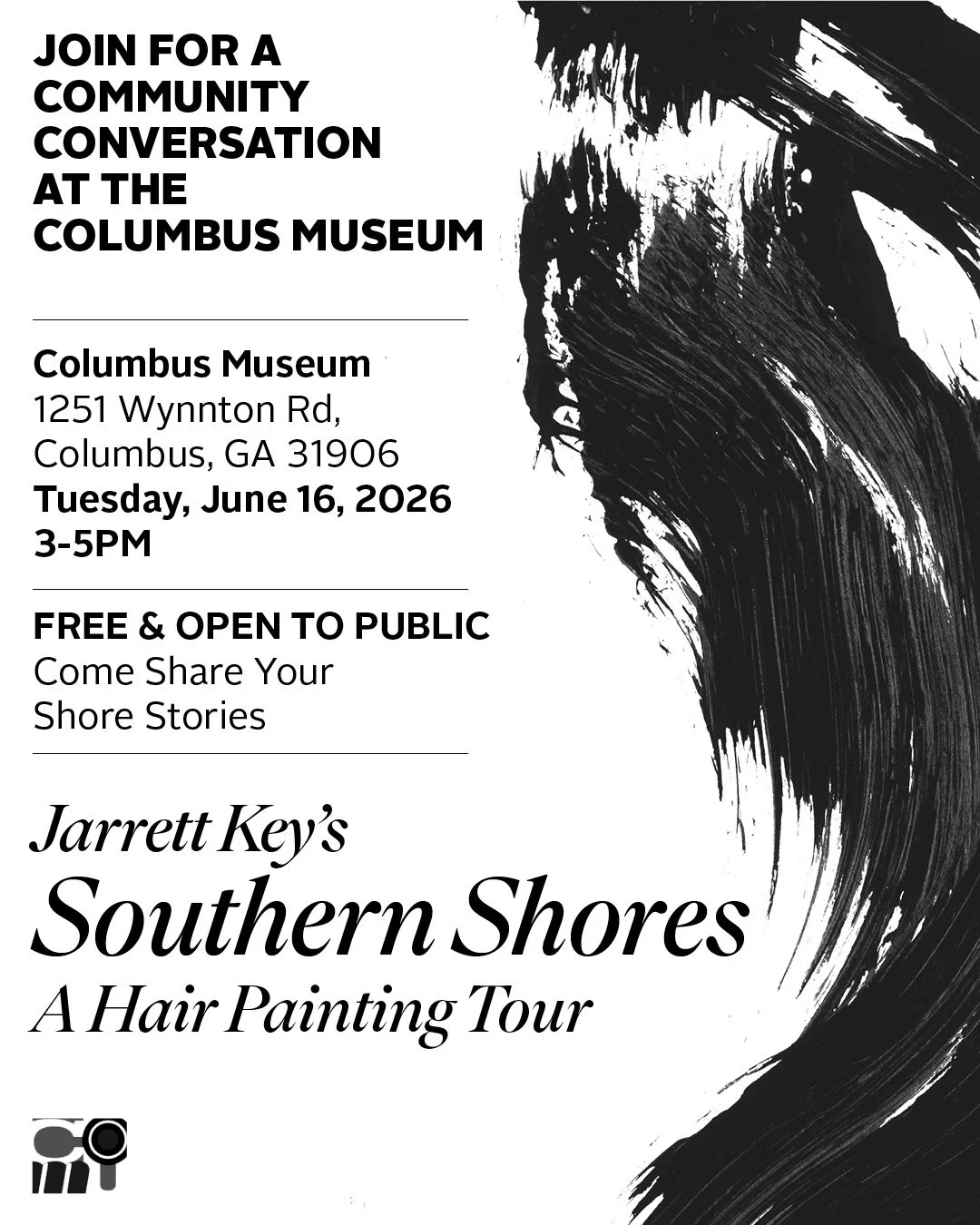
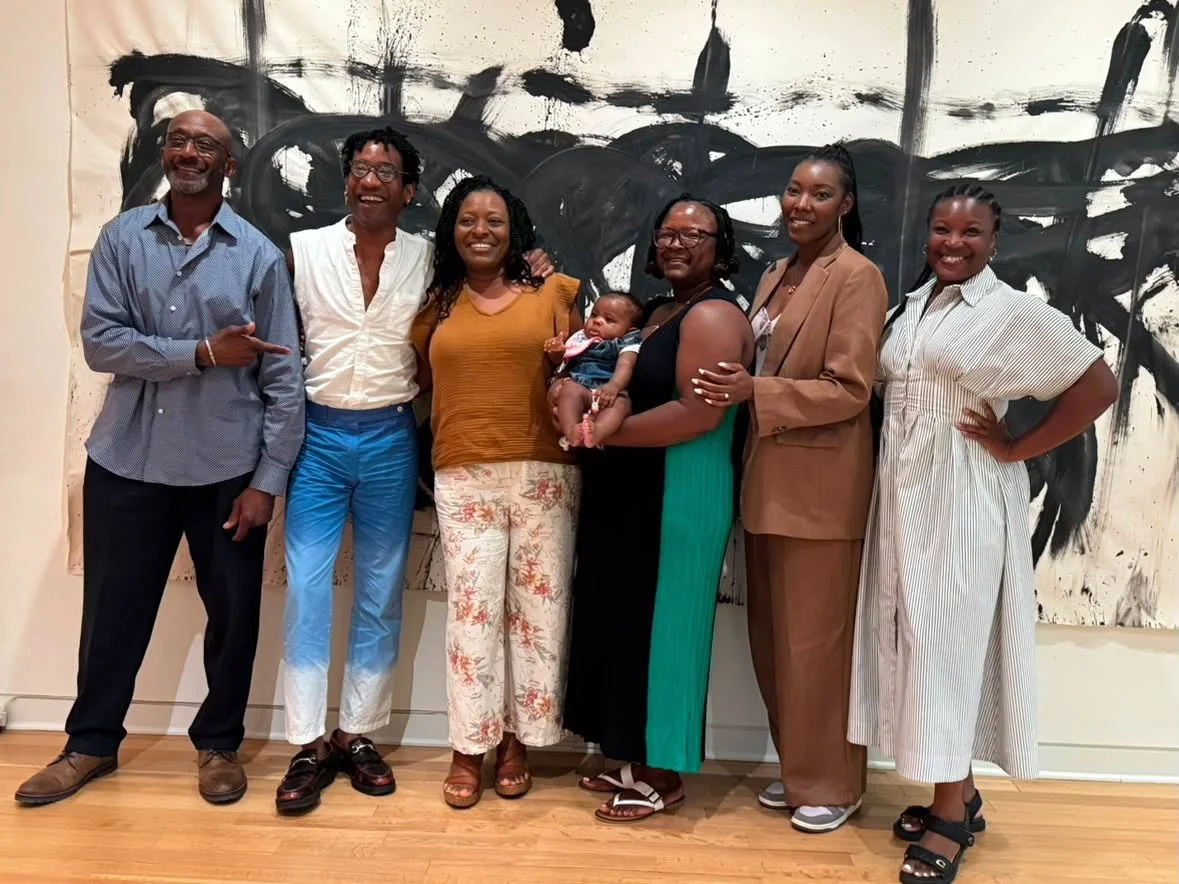
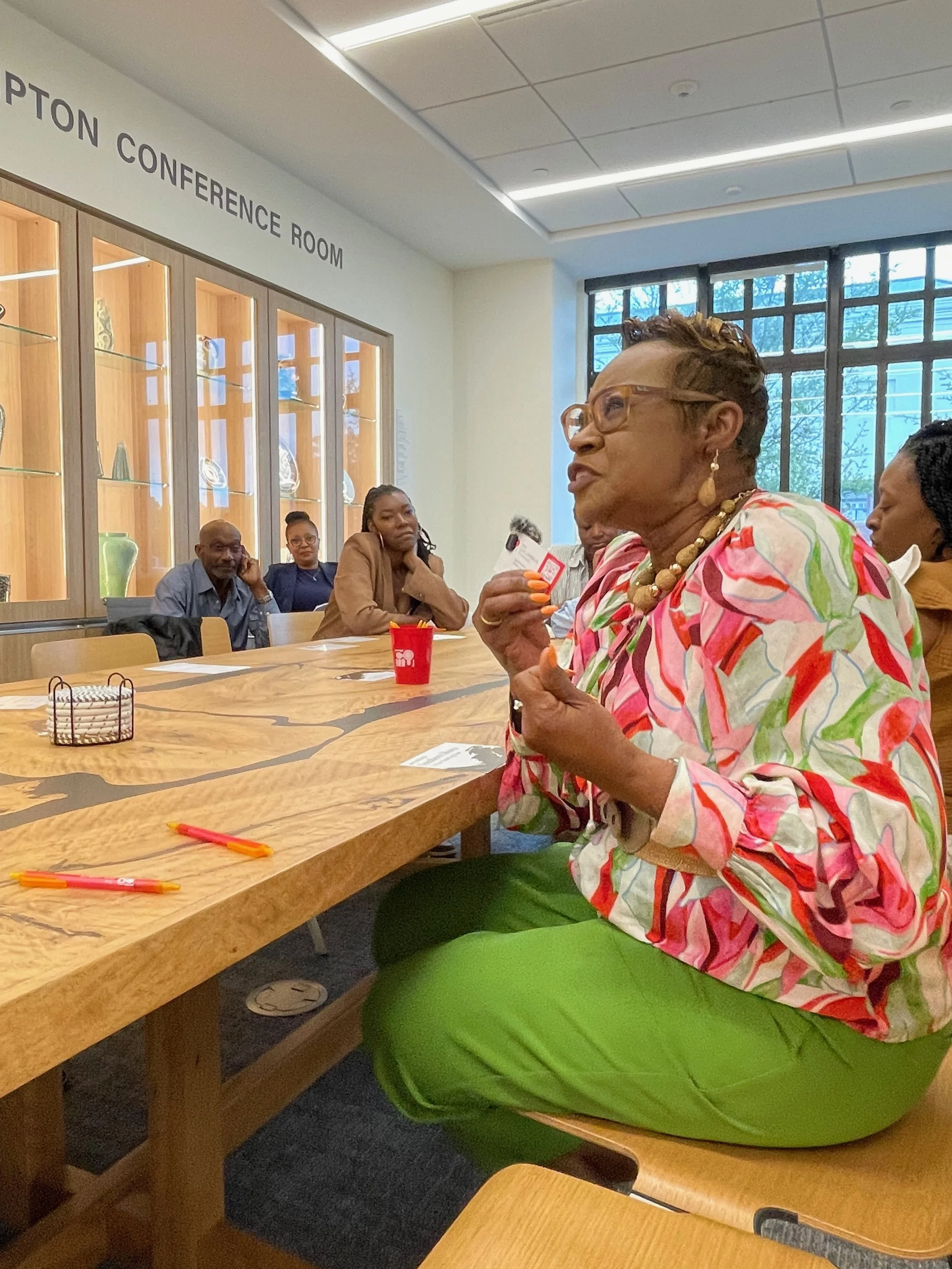
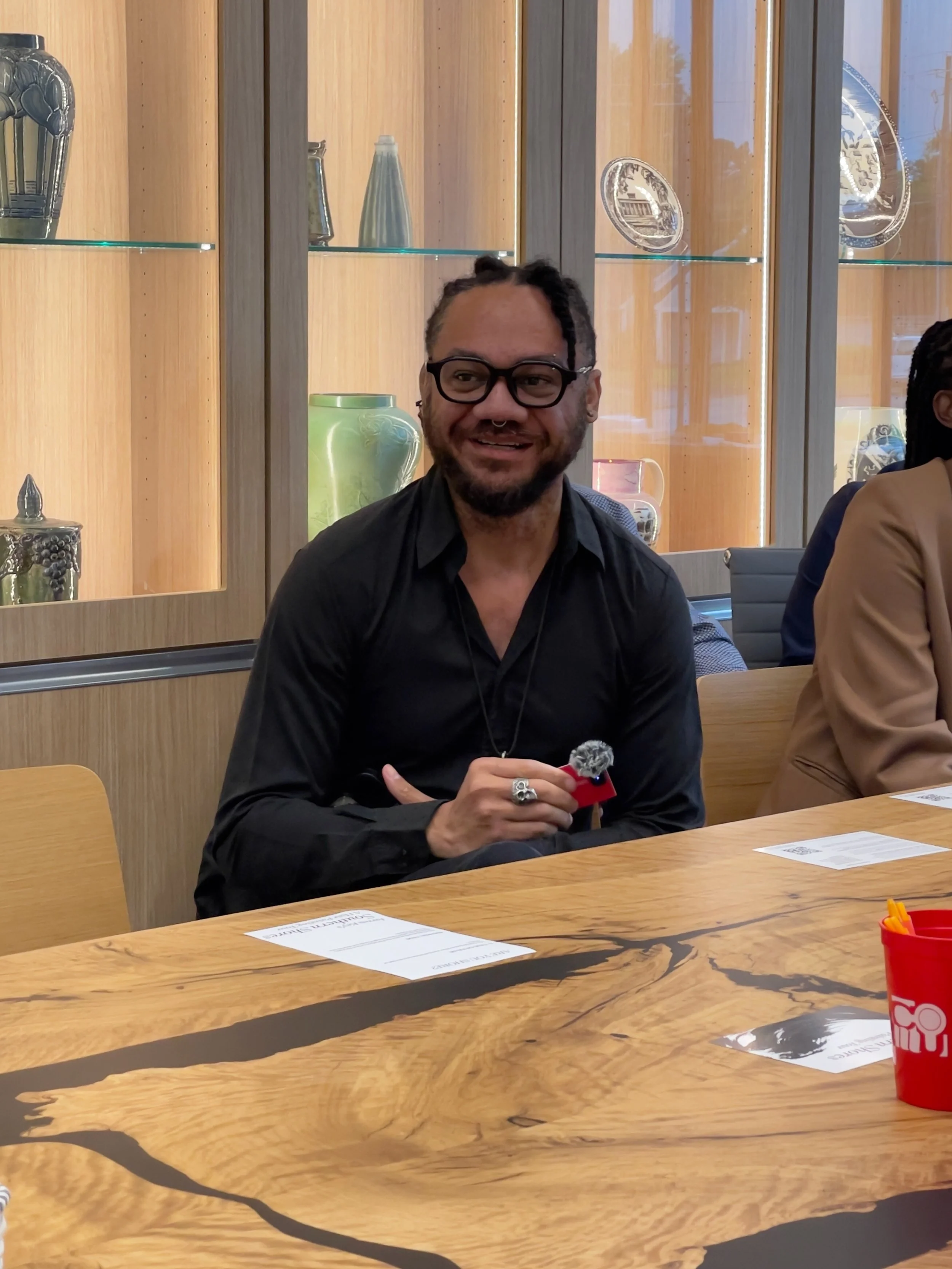
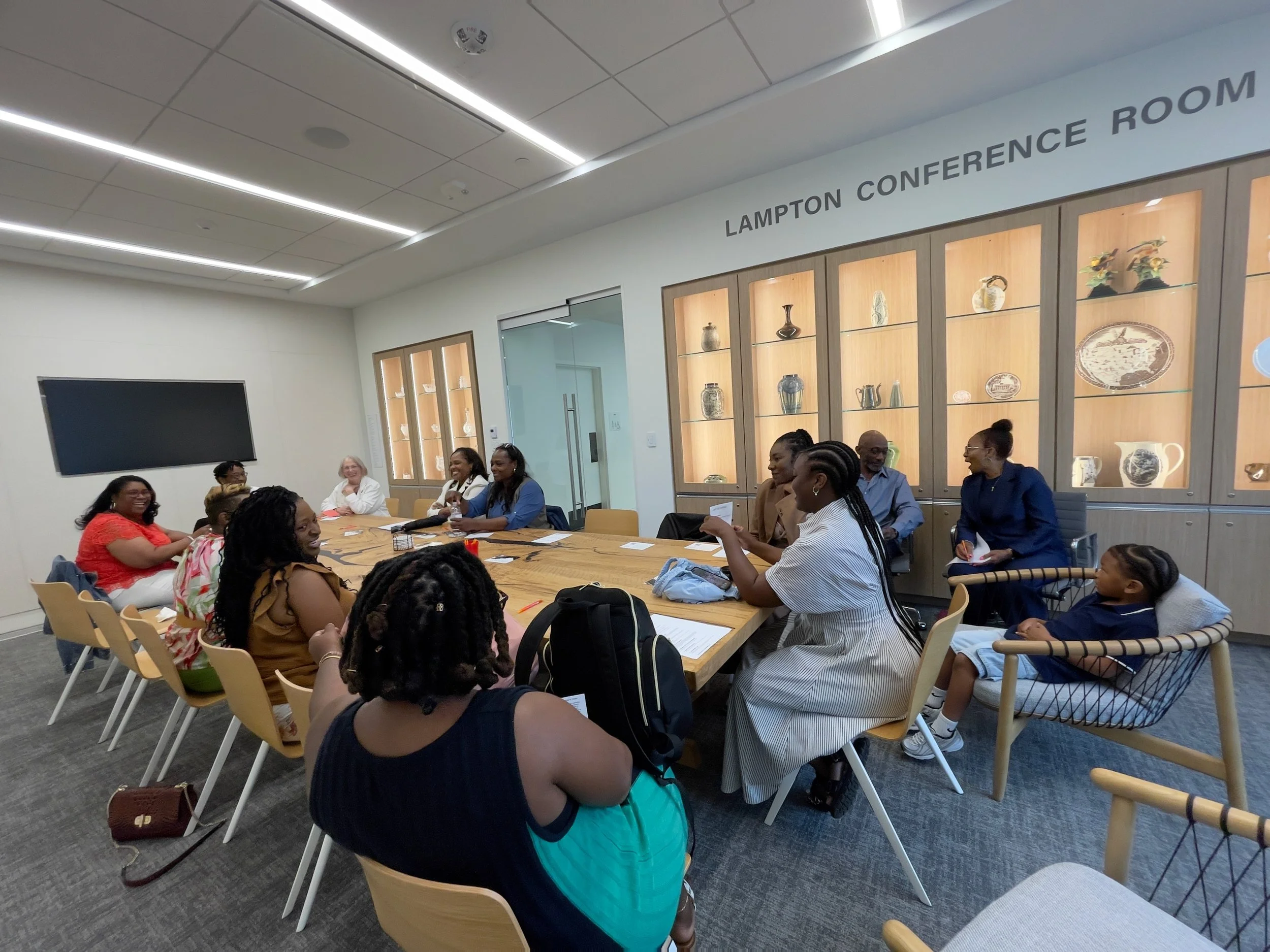
I am so grateful to Jonathan F. Walz and Julie Garner at the museum for helping me score the Lampton Conference Room for my first Southern Shores Community Conversation. These dialogues are intended to be casual and intimate. My hope is to create a space where all the participants feel excited to share memories, stories, and any myths held by the shores in this landscape.
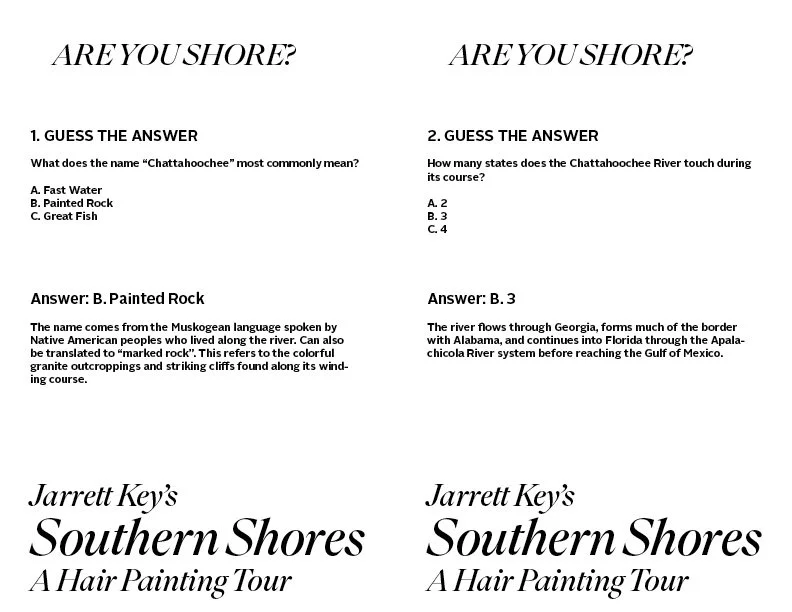
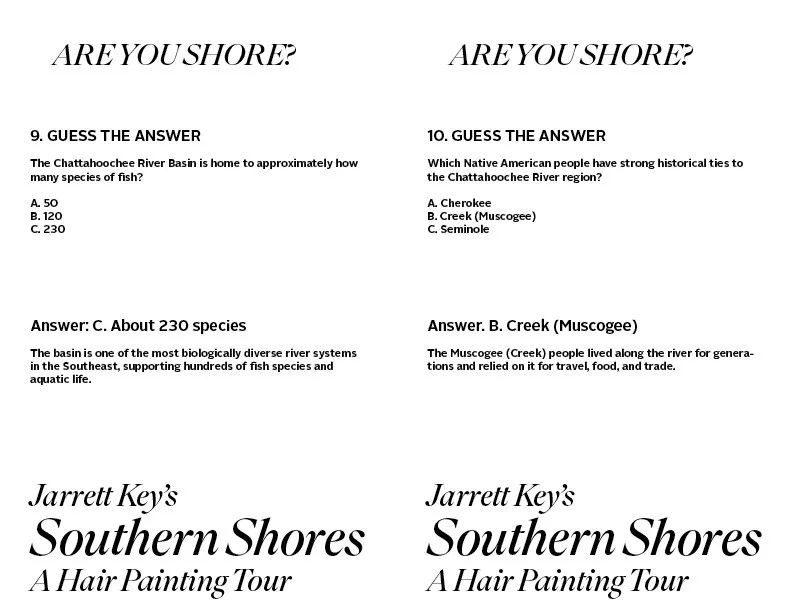
In order to break the ice, I created a trivia game called “Are You Shore?” (a play on “are you sure?”). This series of ten questions covered a range of history, wildlife, and fun facts relevant to the Chattahoochee River and the nearby lakes and streams. It was so nice to start the conversation with a couple questions and have a few to fill those beats in between hearing locals’ stories. One of my favorite questions was the first one:
What does the name "Chattahoochee" most commonly mean?
A. Fast Water
B. Painted Rock
C. Great Fish
Answer: B. Painted Rock — The name comes from the Muskogean language spoken by Native American peoples who lived along the river. Can also be translated to “marked rock". This refers to the colorful granite outcroppings and striking cliffs found along its winding course.
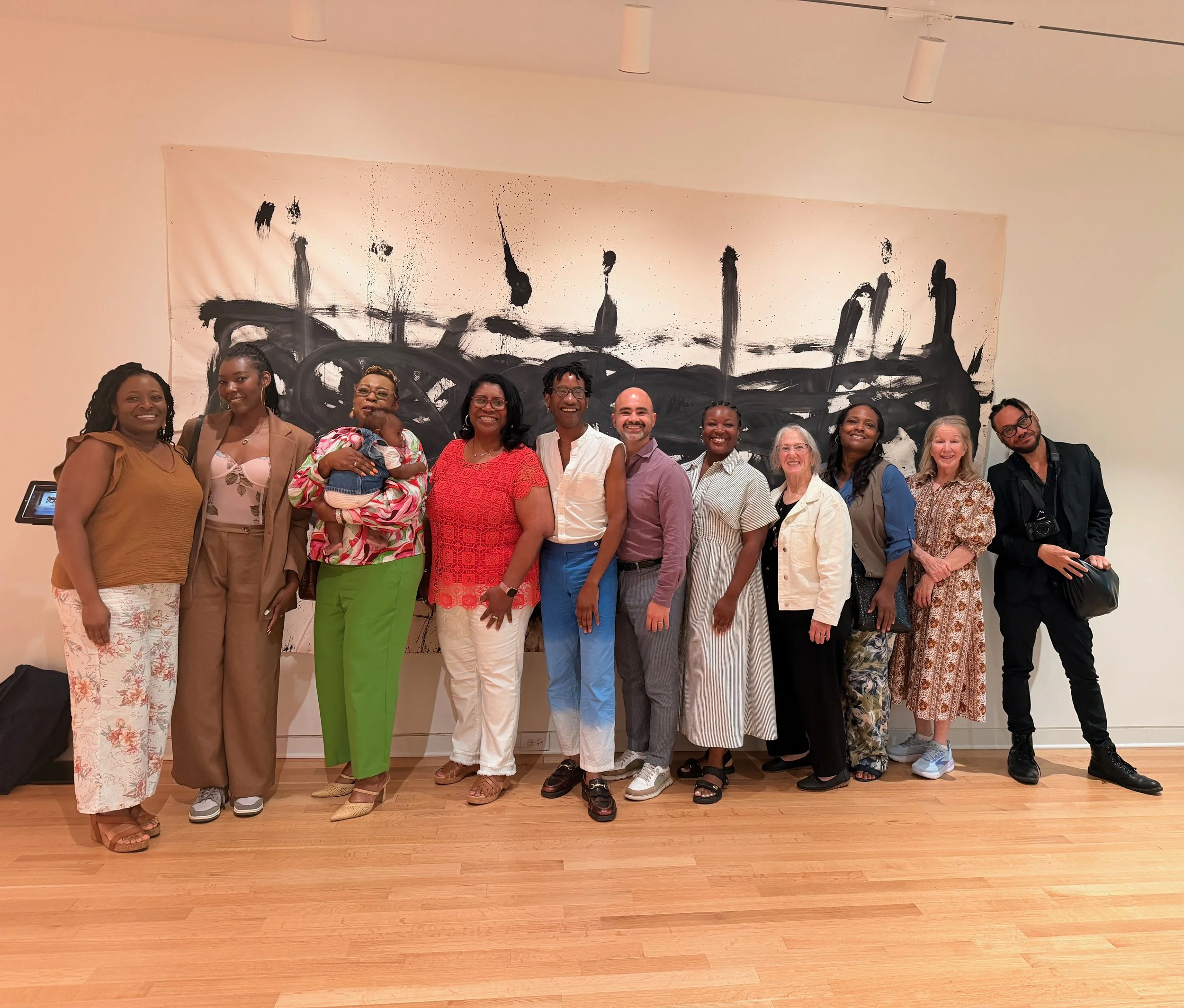
Our 90 mins conversation was video and audio recorded. Ultimately the voices of these participants will be layered into the soundscape I will be using for the free and public Hair Painting performance next year! These recordings will then be available to the public in the local libraries for future generations to discover and enjoy. Many of the stories shared with me during this dialogue will stick with me forever. Highlights from our time together include stories of young lovers hanging out in cars on the RiverWalk, myths of fish glowing in the dark from the polluted water in the 90s, the sordid legacy of Sin City, better known as Phenix City across the river in the 30-60s, and childhood memories of days spent fishing along the shore.
The laughs, gasps and pure presence of all who participated continues to inspire me. I can’t wait for the next conversation I’ll be having down here in October.
Special shout-out to Leandro Zaneti, who captured these beautiful pictures of our time together.
APRIL 13, 2026 — COMING BACK TO THE CITY - DELAYS AND REFLECTION.
It’s time to go. My time in Mobile and New Orleans was honestly too short.
But it’s okay — I’m already planning to go back in July! Everyone says it’s gonna be too hot to be trying to do anything near the Gulf. Summer’s in Seale, Alabama got hot, too. 100% humidity and 90+ degree weather will make anyone think they are trudging through a swamp. I’m curious if my childhood has prepared me to handle the weather that folks are warning me about. We will see, cause I’m coming!
I was hoping my flight back would be as easy as the flight here. But a mechanical issue led to an over hour delay on a full flight. I was actually already on the plane when we were told we had to deplane. I don’t mind a delay though in the airport (as long as it’s under a couple hours). Airports are these liminal, transient spaces — much like shores. Their terminals are perfect spaces for reflection, meditation or release. I know I can’t be the only one who has cried in an airport: It’s a perfect place to discreetly process what you’ve done and where you’re going. As I sat at this random bar, sipping on an overpriced glass of white wine, I took my moment to reflect — practicing my favorite ritual in this place. My five days in Mobile were so full. When I think about the time I spent here, actually, my last moment at the Quality Inn holds all the feelings defining this amazing visit. One of the hosts working the front desk (whose name I didn’t catch) wished me a genuine safe travel back to New York.
I hope your time in Mobile was beautiful. We loved having you here. Have a safe and quick trip back to NYC. New York! And you bedda come back here and see us.
Oh yes Ma’am. I’m coming back.
Everyone I met in Mobile cares about community and wants to share its stories. They see me. They want to support me. They want me to succeed.
I made it back on the plane and was on my way. After another quick flight to Charlotte, and one to LGA, I was back in NYC.
(By the way, the Uber Shuttle is the fastest cheapest way back home from the airport. Look into it.)
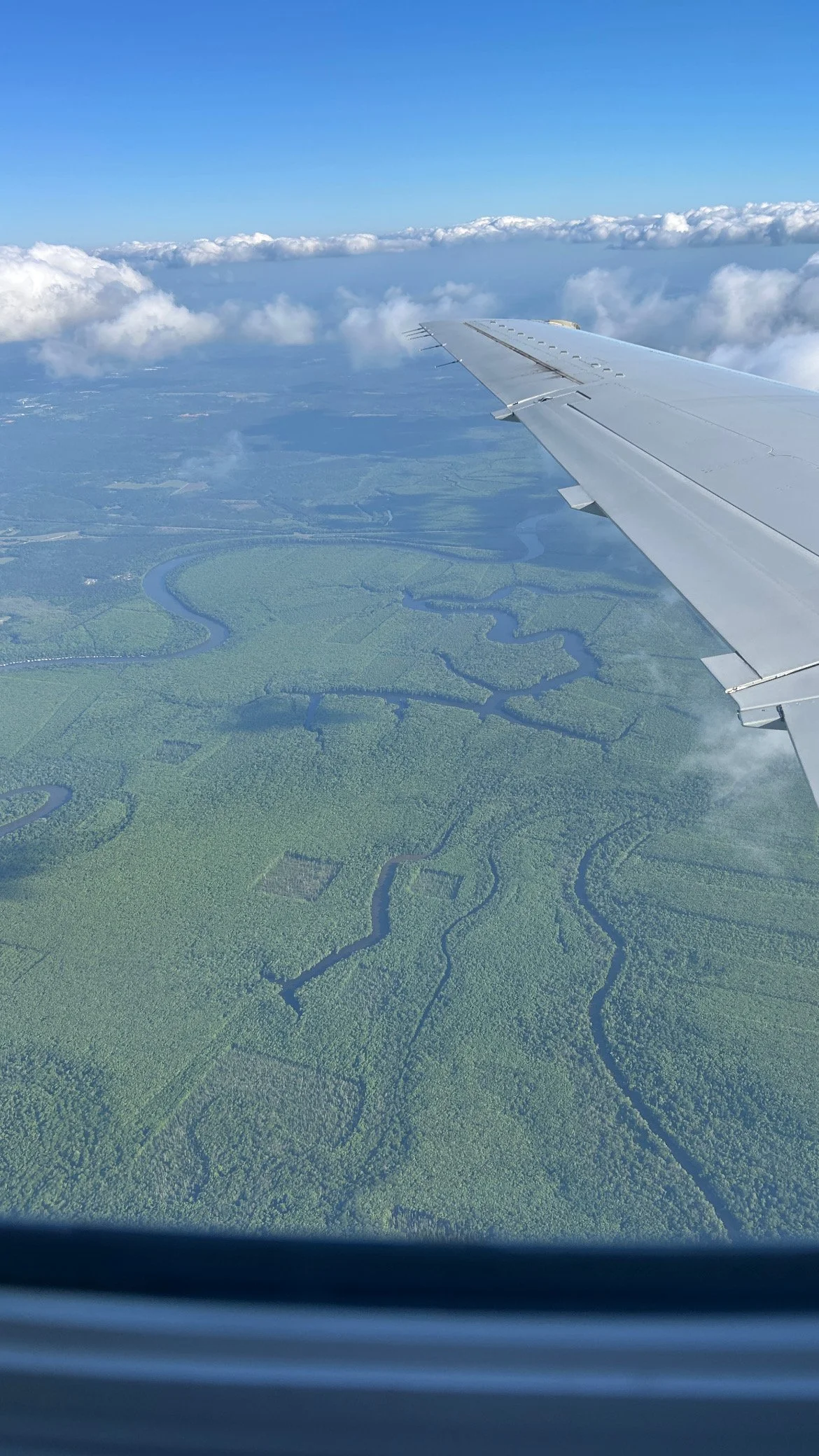
APRIL 12, 2026 — NEW ORLEANS - CITY OF ART, MUSIC, AND COMMUNITY.
I woke up at 5:45 a.m. to catch the 6:30 Mardi Gras Line Amtrak.
I’m so happy the Quality Inn was only nine mins away. Walking down Church Avenue that early in the morning toward the river felt magical. Dense fog hung out in the street, so thick I couldn’t see down half a block. It was creepy. No lie. I knew I only had to walk four blocks to Water Street. So I wasn’t that far. I just had to trust that the road in front of me was going where it was supposed to go. I definitely couldn’t see where it led. Out of the clouds appeared statues marking buildings no longer present but a history felt today. Palm trees, parking lots, and hotels emerged until I saw the train.
We passed through five cities to get to New Orleans. Each stop is defined by its proximity to the water. I forgot that we have to pass through the entire state of Mississippi before reaching New Orleans. I imagined how many people have traveled this route to reach the beautiful and charming jewel in the Gulf.
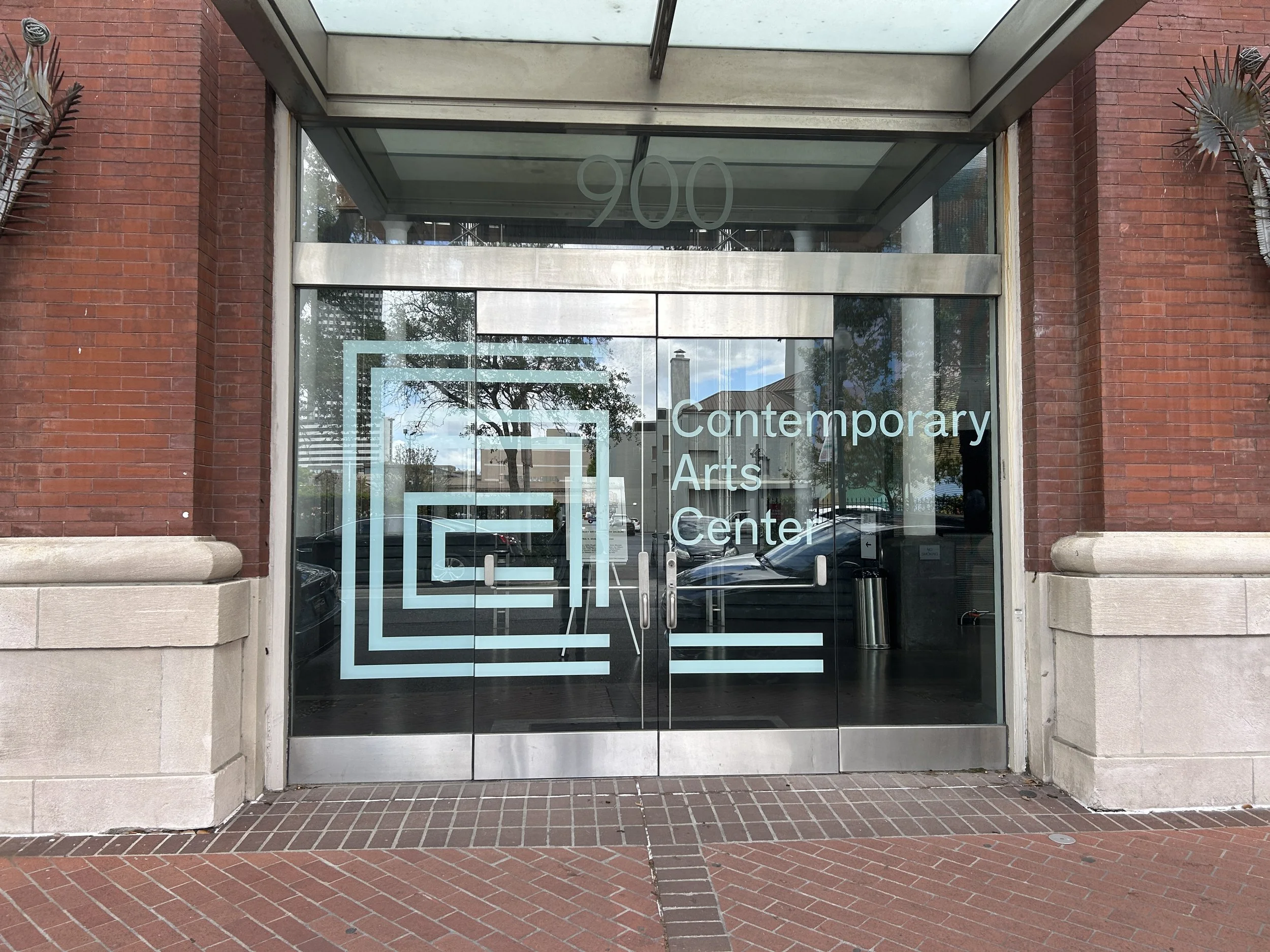
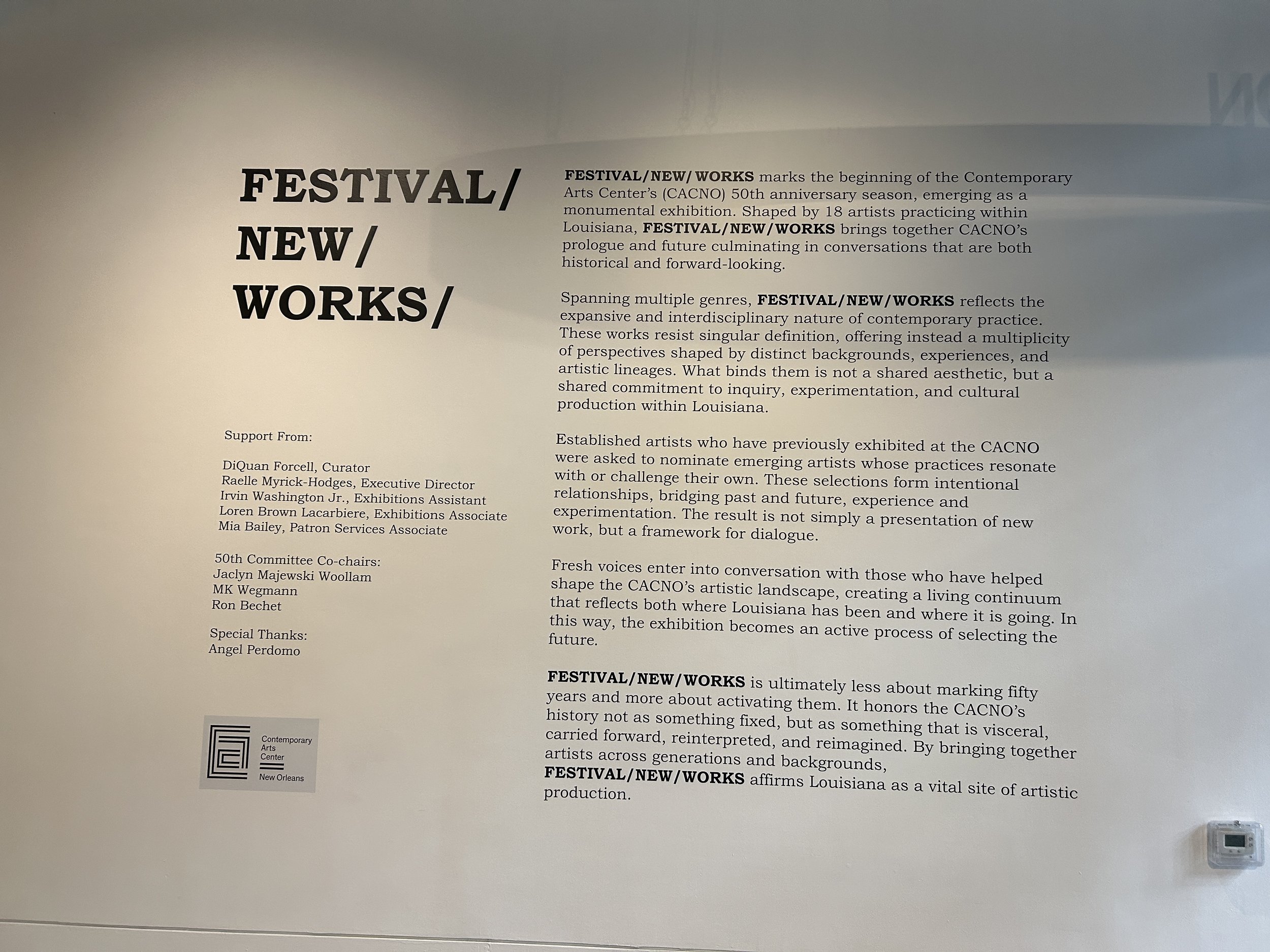
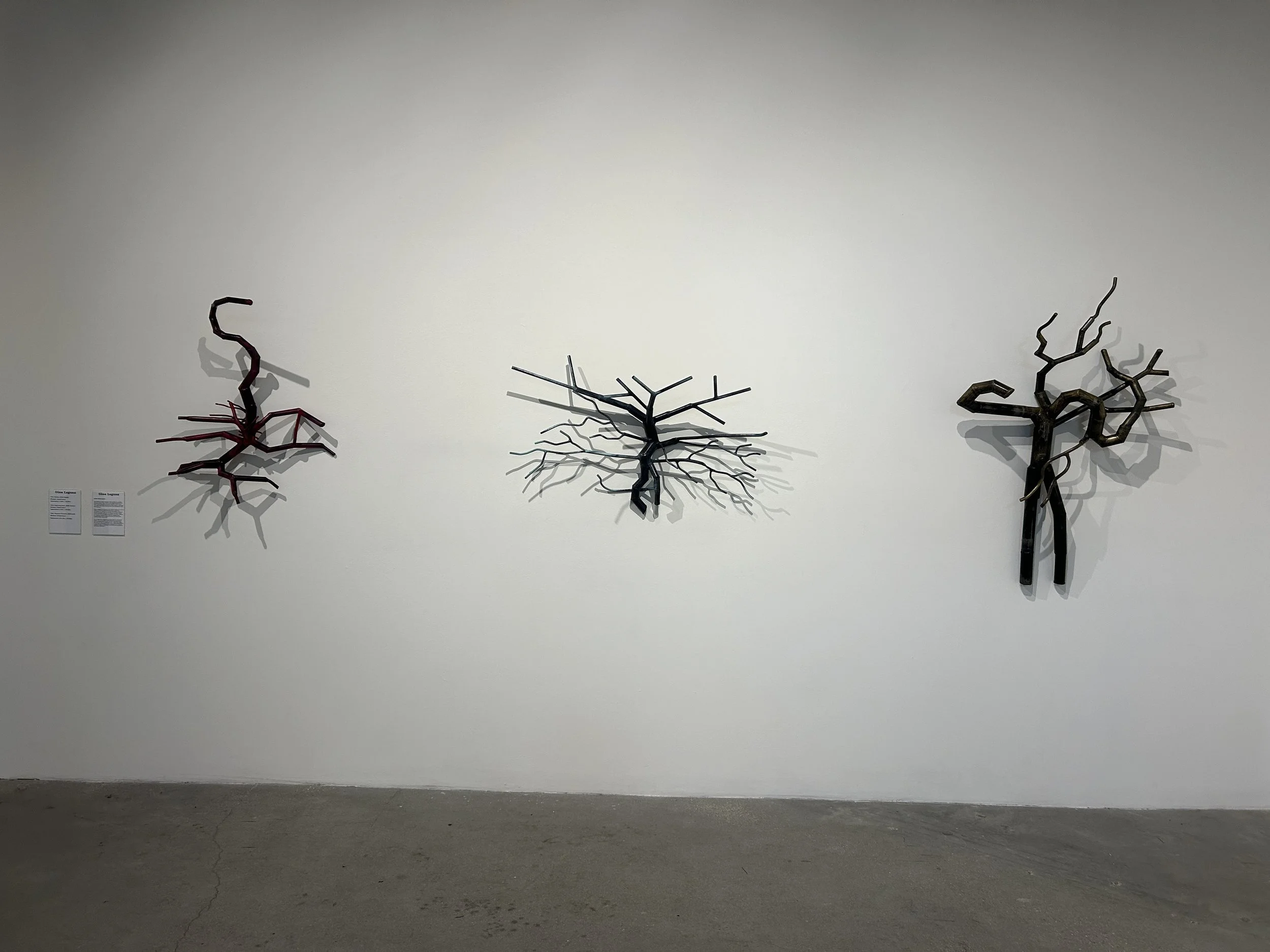
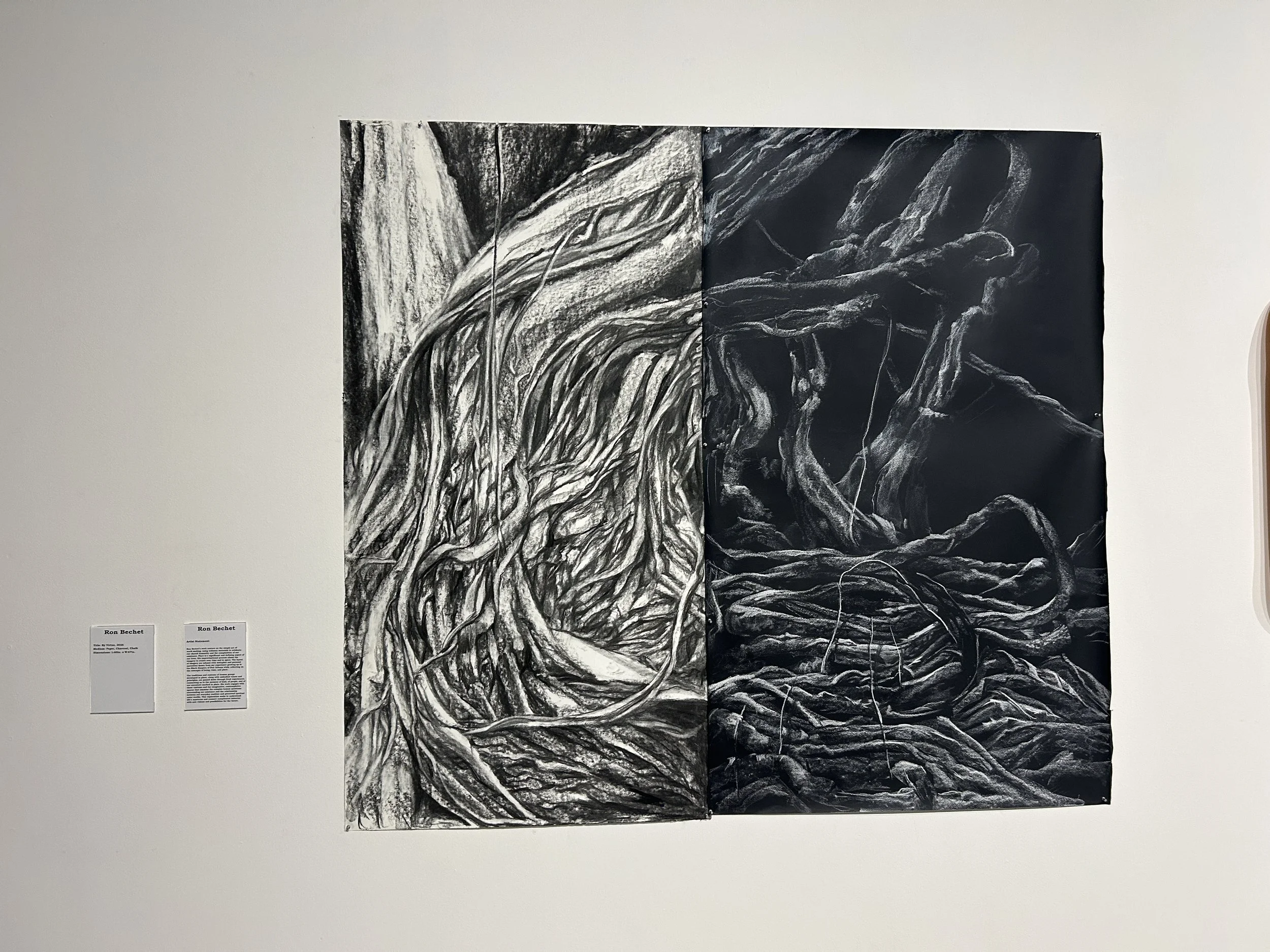
I met Noni Clemens from Arts New Orleans - we originally met via zoom after I cold-emailed her asking for advice about bringing my work to communities in New Orleans. I am so grateful that she responded. One of the first places we discussed was the Contemporary Art Center of New Orleans, directed by Raelle Myrick-Hodges and curated by DiQuan Forcell. They had a brand new exhibit titled FESTIVAL/NEW/WORKS featuring 18 Louisiana based artists. One of my favorites were pieces by Ron Bechet, a series of charcoal drawings. It was so nice to meet Noni and talk through my work, while reflecting on the art in front of us.
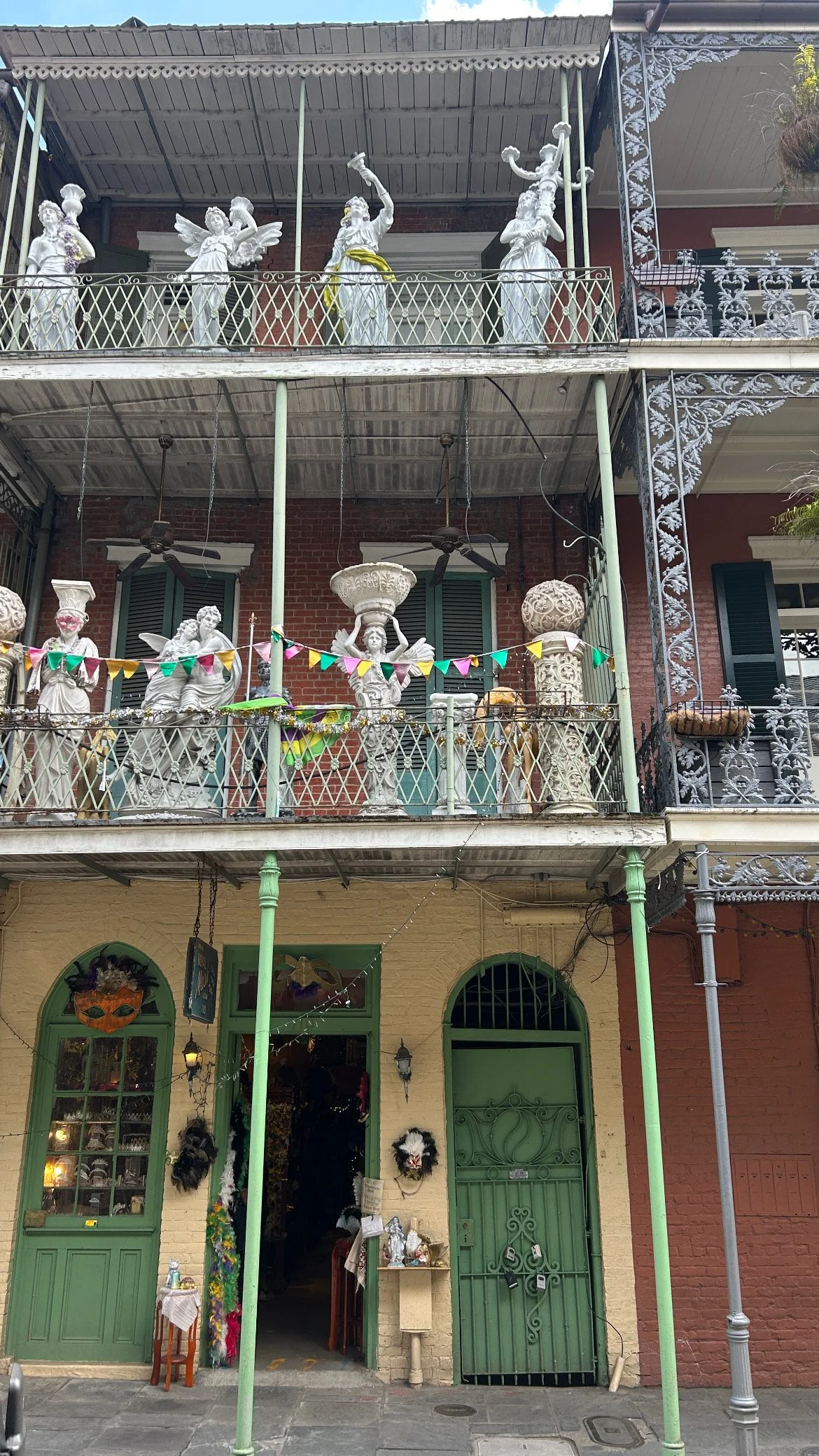
I made my way down the meandering streets until I found myself in the French Quarter and the river bank. Every block had a live musician playing original and cover songs complete with full drumkits and microphones. The energy in New Orleans matched New York – loud, strong, and deep. Yet a playfulness and mystery colored the vibe. Several art galleries, historical monuments, and squares later, it was time to get back to Mobile.
APRIL 11, 2026 — AFRICATOWN - WHERE HISTORY AND LEGACY ARE REMEMBERED.
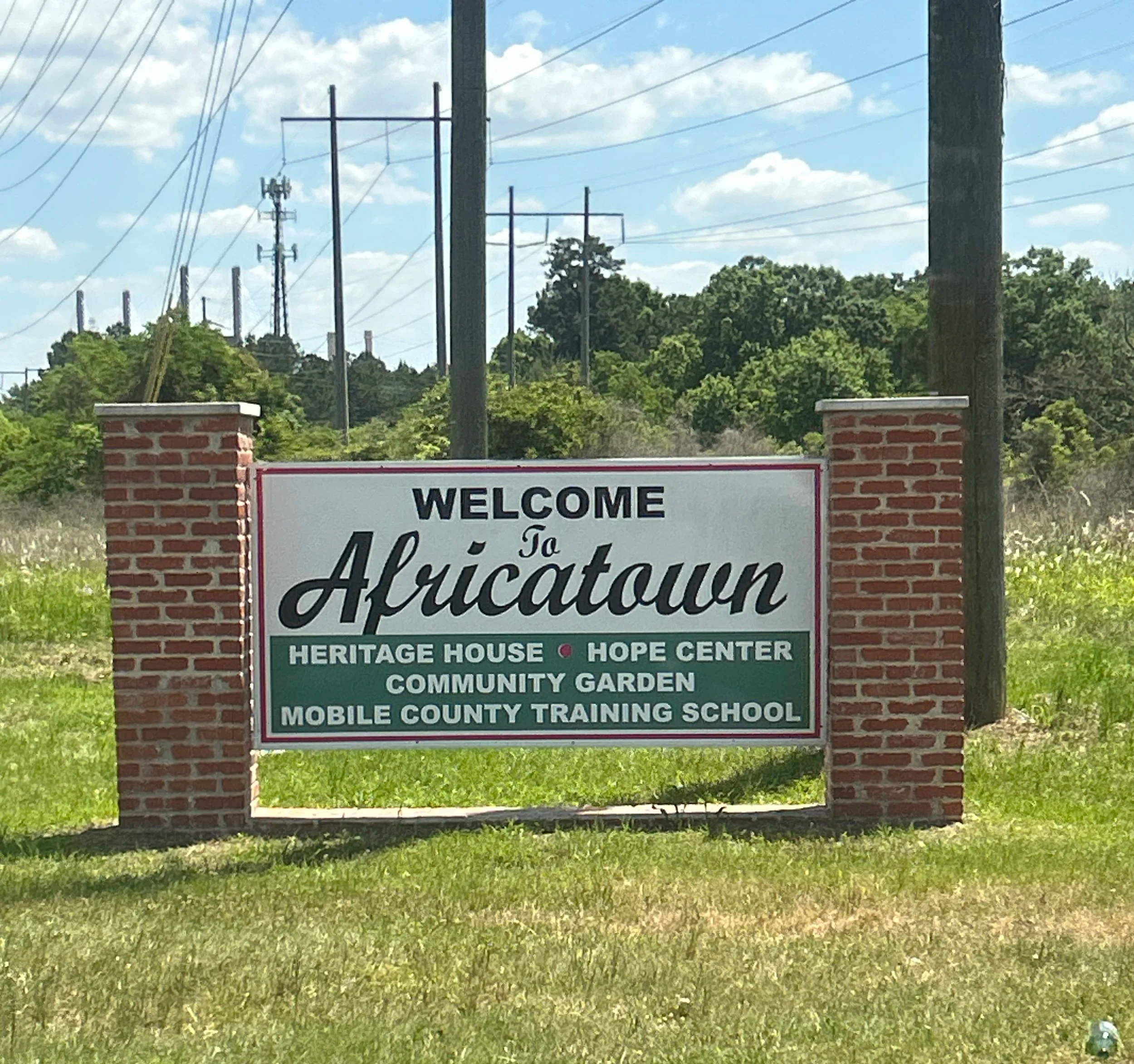
I have been looking forward to coming to Africatown since I heard about its history.
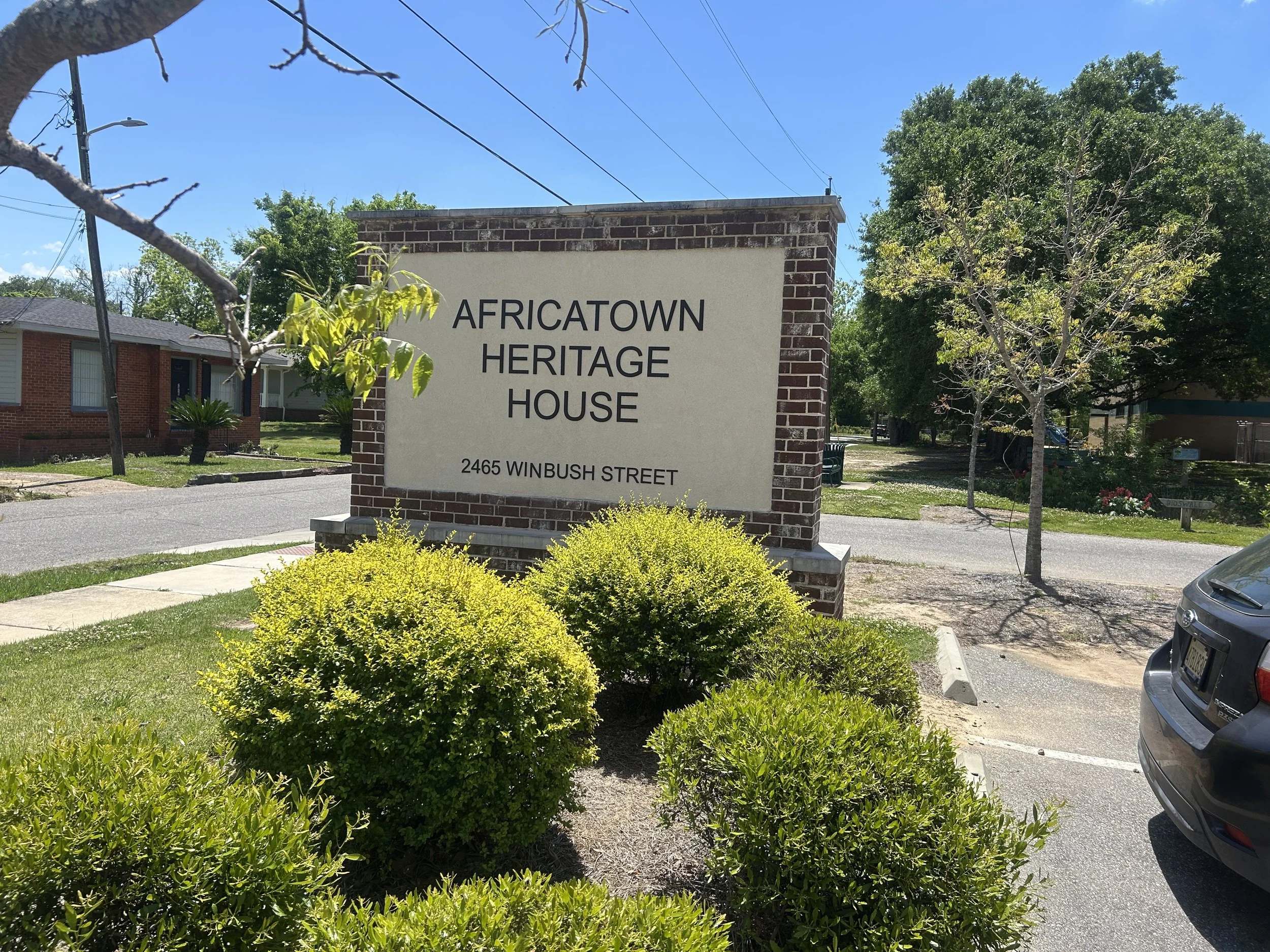
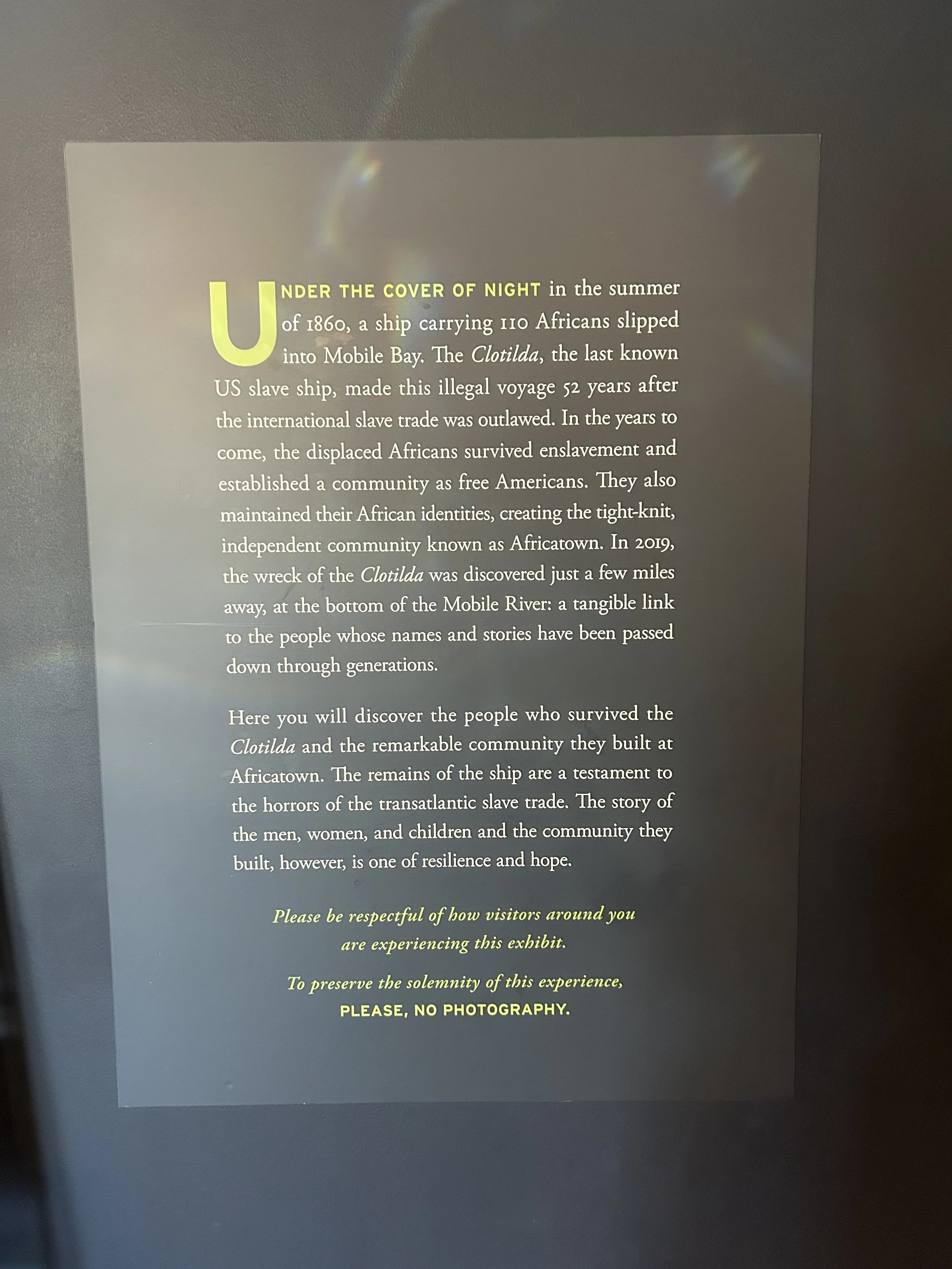
Africatown was founded by 32 West Africans brought to the United States on the illegal slave ship Clotilda in 1860. This once-thriving Black community was nearly destroyed when a highway was built, splitting the plateau in half. Many people might be familiar with this neighborhood less than 4 miles away from Downtown Mobile through Zora Neale Hurston’s book Barracoon: The Story of the Last "Black Cargo". In 1927 she interviewed Oluale Kossola (also known as Cudjoe Lewis) about his forced passage from West Africa to New Orleans via this ship. He was thought to be the last known survivor of this original community. With research and time the last actual known survivor’s name was Matilda McCrear (also known as Àbáké) who died in Selma, Alabama in 1940 at the age of 83. The Africatown Heritage House holds their names and histories.
I was so grateful to walk through the Africatown Heritage House. While photography was not allowed in this exhibition due to respect for the solemnity of this history and land, the images and words that filled the walls of the galleries stayed with me. I was absolutely struck by the number of first person accounts and stories about the illegal voyage across the Atlantic and their arrival to this unfamiliar world. Many of the quotes enshrined on the walls describe the difficulty and violence of enslavement, the yearning to return home, and the realities of establishing a new community and families in a harsh land.
The inherited oral histories about the Clotilda ship were dismissed as gossip and myths rather than actual historical accounts. This all changed through the efforts of historians, preservationists and the community itself – they know their history even if the books don’t reflect their truth. In 2019, pieces of the actual Clotilda were found in the Mobile River near 12 Mile Island. These exhibited artifacts confirm and affirm a local history that most tried to ignore.
As I was leaving I asked one of the docents about any stories or histories they could share about the water in the region. Pritchard, a community on the outskirts of Mobile, doesn’t have consistent, drinkable water. She continued, Big Creek Lake, a common fishing ground for community members, isn’t accessible to folks anymore. The city has co-opted it for water and sanitation management. People can’t fish anymore. Our access to water is our access to life and the community we inhabit. Our habits, hobbies, traditions and even rituals rely on its consistent availability. As I rode back to my hotel, her words sat with me.
I had never shucked an oyster before. After a quick nap, I soon wouldn’t be able to say that again. I met Elizabet and her husband Duane back in Mobile, and we drove an hour to Gulf Shores to hang out with their best friends. I asked what brought everyone together that day.
Nothing special, although it is the first day we’ve done fresh oysters this season.
Shucking oysters ain’t easy, let me just say. I was told you have “to do it from the back.” So I grabbed a flat knife and dug in the back of the shell.
You’re looking for a small gap to slide your knife into.
Can I find the hole? I looked again. Finally my knife felt caught between the lips. One slide and a flick later, I see the meat. It took me three times to get the hang of it. By oyster seven I felt accomplished — I can shuck an oyster. But I was tired. Seven times was enough for me.
After a beautiful sunset drive over the waters that fill the bay, we made it back to Mobile. And I swiftly found myself back in bed.
APRIL 10, 2026 — MEETING ONE OF MOBILE’S LOCAL HISTORIANS.
I had the great pleasure of meeting the Mobile native Sheila Flanagan, a local historian who worked for the History of Mobile Museum and is now the lead docent at the Historic Avenue Cultural Center.
At 71 years young, she beautifully wove her own memories and personal narratives with the over 100 years of history about this important Black neighborhood. The Historic Avenue Cultural Center started out as the segregated (separate and unequal) library for Black residents in this community’s heyday. After decades of systemic extraction and underfunding, the once-booming economic and social center of Black life in this part of Mobile disappeared. Many preservationists, historians and artists are working everyday to memorialize and revitalize this community.
One of the places in this area that will be restored is the Ace theater. From the Alabama Contemporary Art Center website “Located on “the Avenue,” the Ace Theatre is one of the last surviving movie theaters that served all-Black audiences in Mobile. It was built in 1943 by James Huestis King, who operated King, Inc. and Southern Theaters, Inc. which also operated Pike and Crown Theaters.”
This theater reminds me of the Liberty Theater in the Historic Downtown district in Columbus, Georgia. Down the street from Ma Rainey’s preserved home, this theater over the last few years has been the focus of preservationists in Columbus. I remember as a kid having band camp with Mr. Handy on this historic stage. Not much was remodeled at that time, but it was safe and secure enough for us to perform for our parents, who sat patiently in the audience. It is so important to revitalize these pieces of our local histories. They hold the legacies of all those who worked hard to transform land into community spaces.
After the best braised pork sandwich I’ve had in a while, I took a nap in preparation for what would be a long night – Art Walk Mobile. This art festival happens on every second Friday of the month and features local artists/artisans, businesses, and restaurants. Booths line up and down Dauphin St. and shops stay open late. Art Walk Mobile can attract crowds of 10,000 people on peak days.
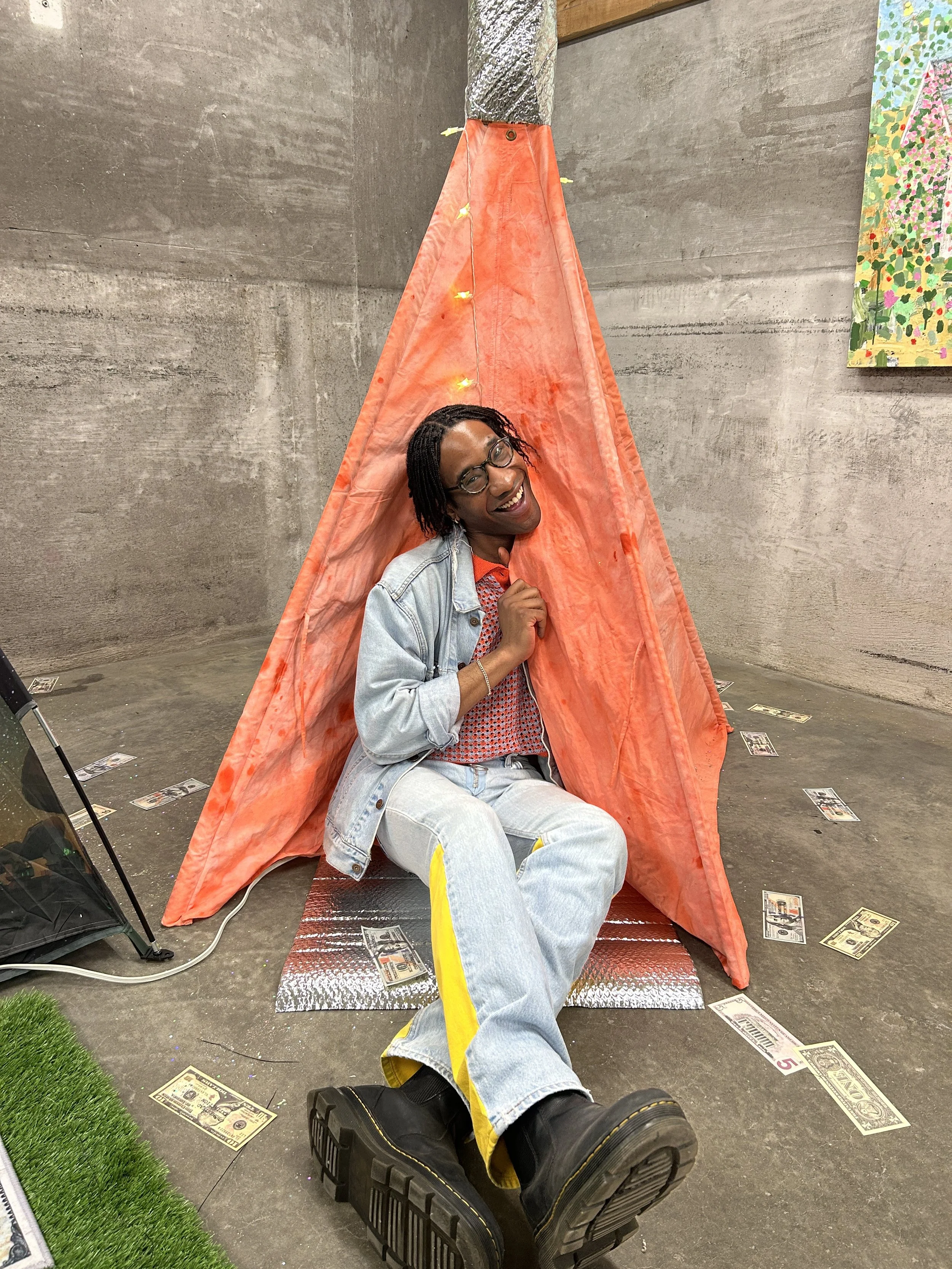
I was able to check out Alabama’s Contemporary Art’s satellite space exhibition, Homestead Extinction by Tony Rodrigues. As I walked in the galleries (fake) cash littered the floor, as if currency no longer mattered in this world. Each room was filled with apocalyptic tents. From the ACAC website, “Rodrigues tackles the growing housing crisis... A series of new tent sculptures create an ad-hoc neighborhood, dowsed in the same pastiche, a superficial crust of wealth and decay… Through this fictional “neighborhood”, Rodrigues explores not only what we desire from our lived spaces, but the dilapidation, entropy and rot that riddle a broken system.”
Nikki (ACAC curator), her boyfriend, Alex (a local Black alt drag queen) and I walked the streets of Dauphin and passed a few booths on our way back to my hotel, very close by. As we walked past the door leading to the front desk, Trice greeted us.
Okay New York, how you have a crew already? You just got here. You got more friends than me. What are y’all doing tonight?
We all laughed and said we are going dancing. In response she started dancing and of course I can’t let anyone move alone, so I started to sway. She wished us a safe night out and we were on our way.
I’ve never been to a gay club in Alabama before. But one step into Flip Side changed that. Why does every gay bar smell the same? It’s a mixture of liquor and beer, cigarettes, and groomed clean bodies. I quickly relaxed. Gay bars have always been strong community spaces for me. If your city has a gay bar, I’m gonna go. One can understand so much by dropping by the local watering hole. Of course, I met so many people in the bar who were excited about the project that brought me down. I even met Jerry, who owns multiple gay bars in town. I was reminded through several conversations about Zora Neale Hurston’s book Barracoon. I learned about organizations in town that preserve the shore's history but also monitor changes in environmental conditions like the Mobile Bay Keepers. Allie, a local real estate agent, and her partner had so many great suggestions on places to go, and people to talk to. Another great night in a gay bar.
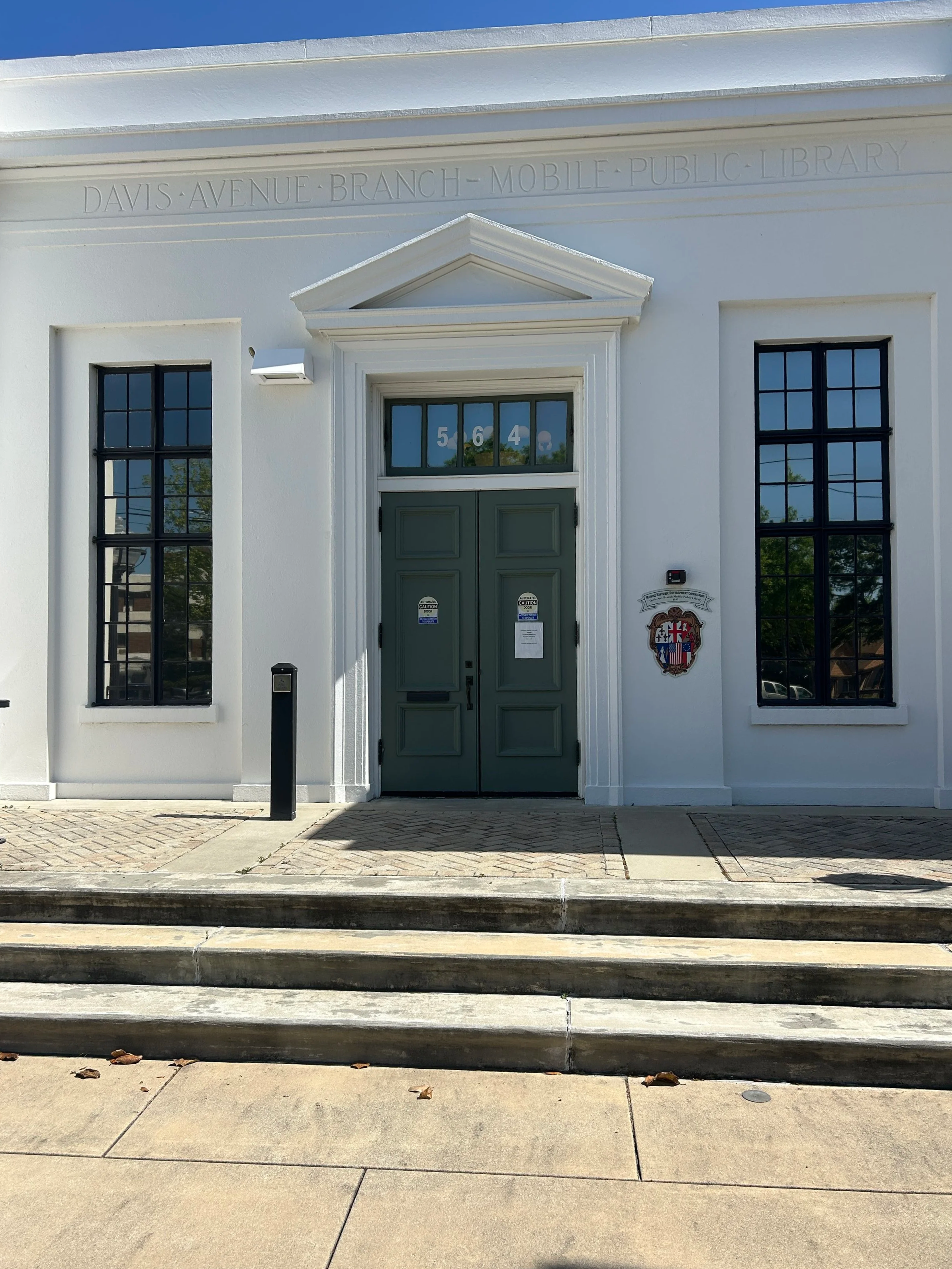
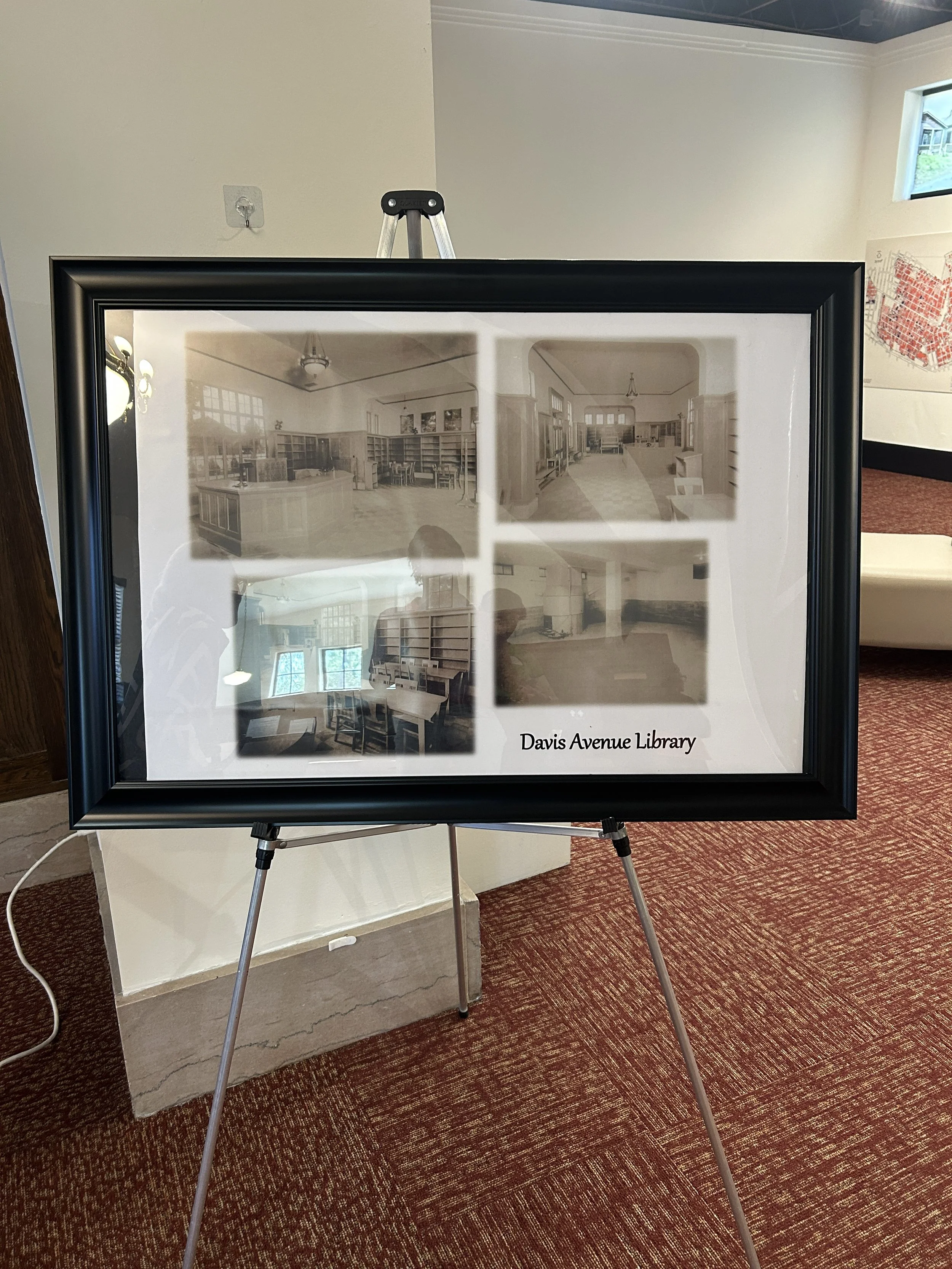
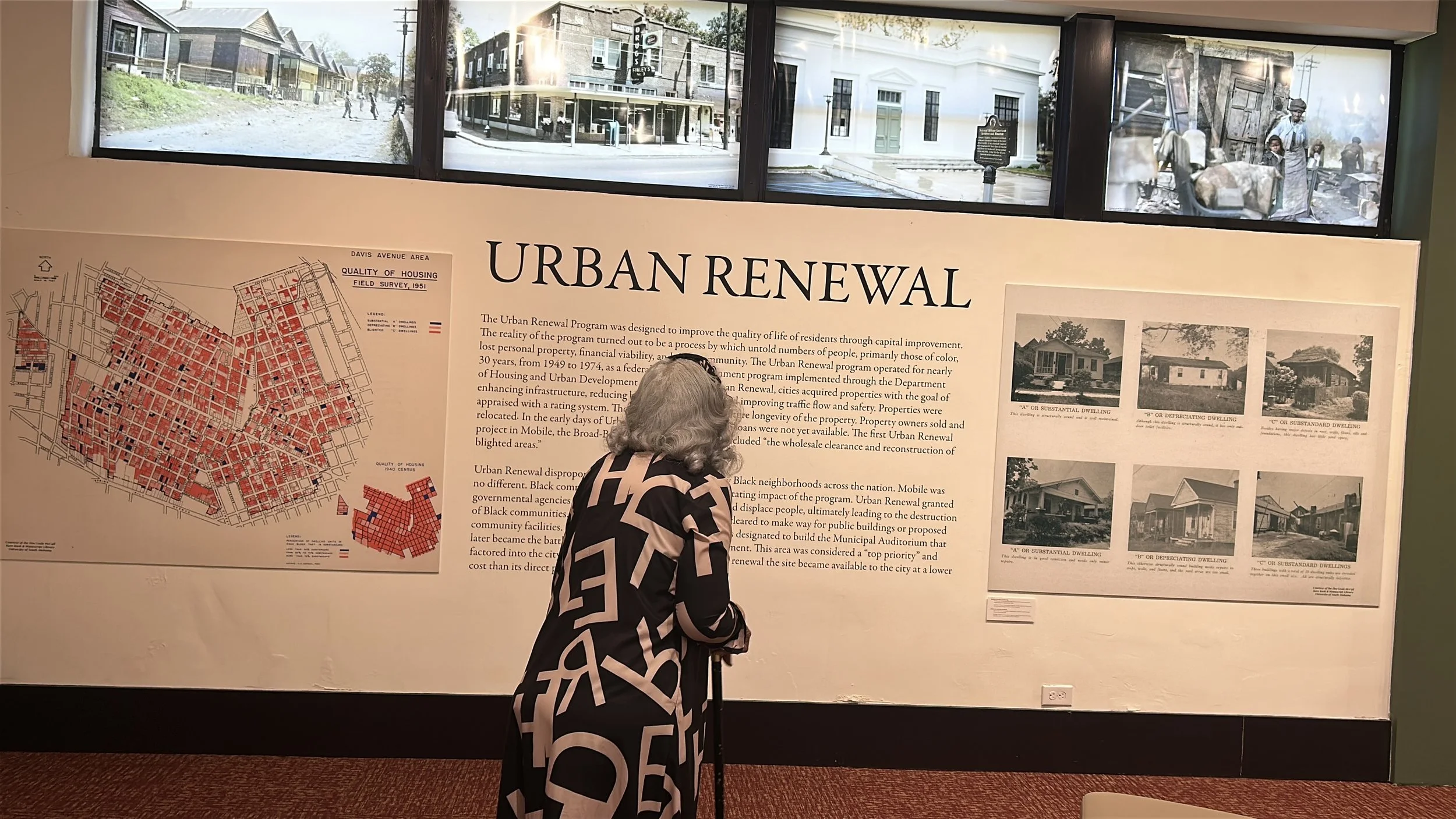
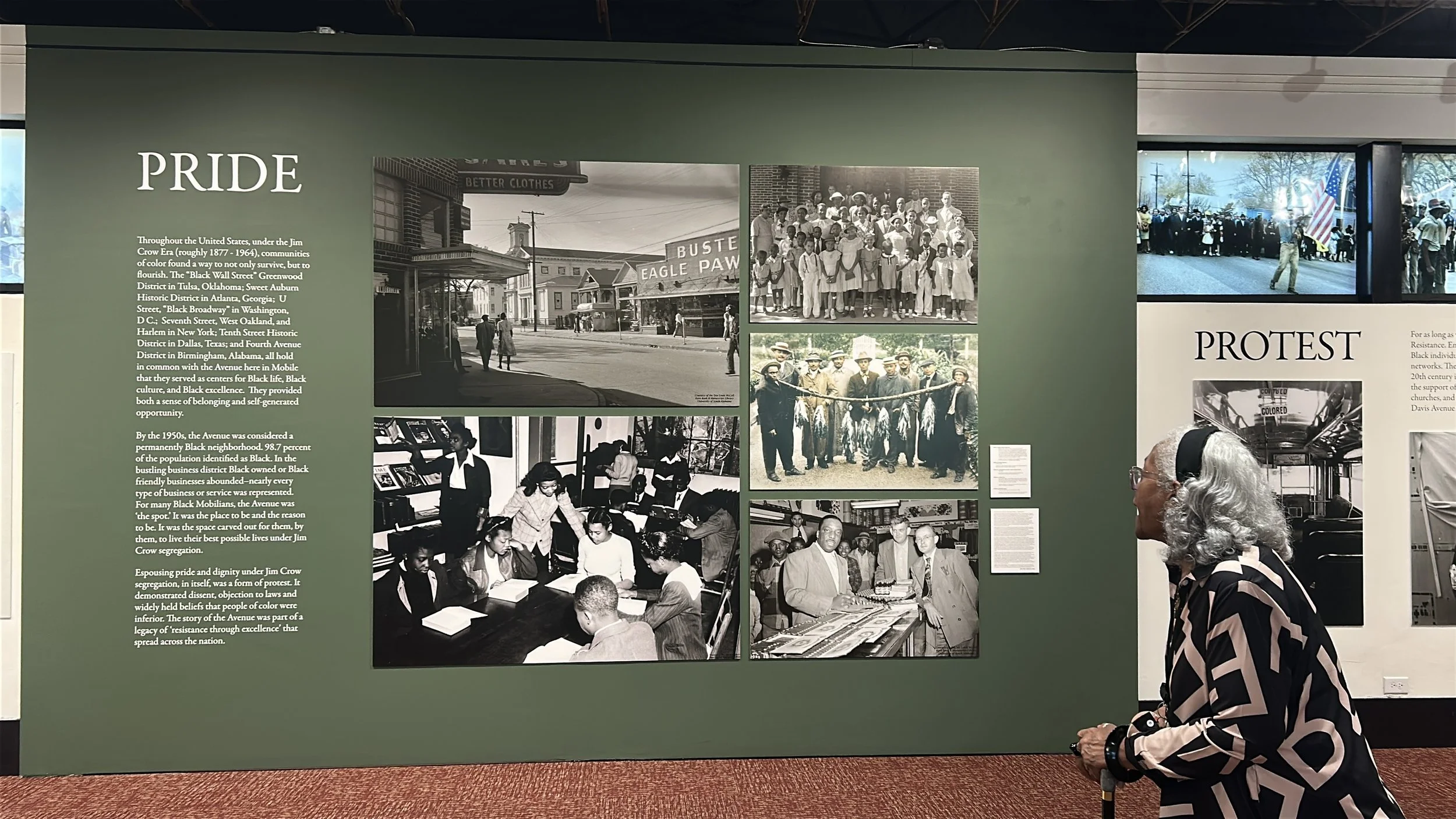
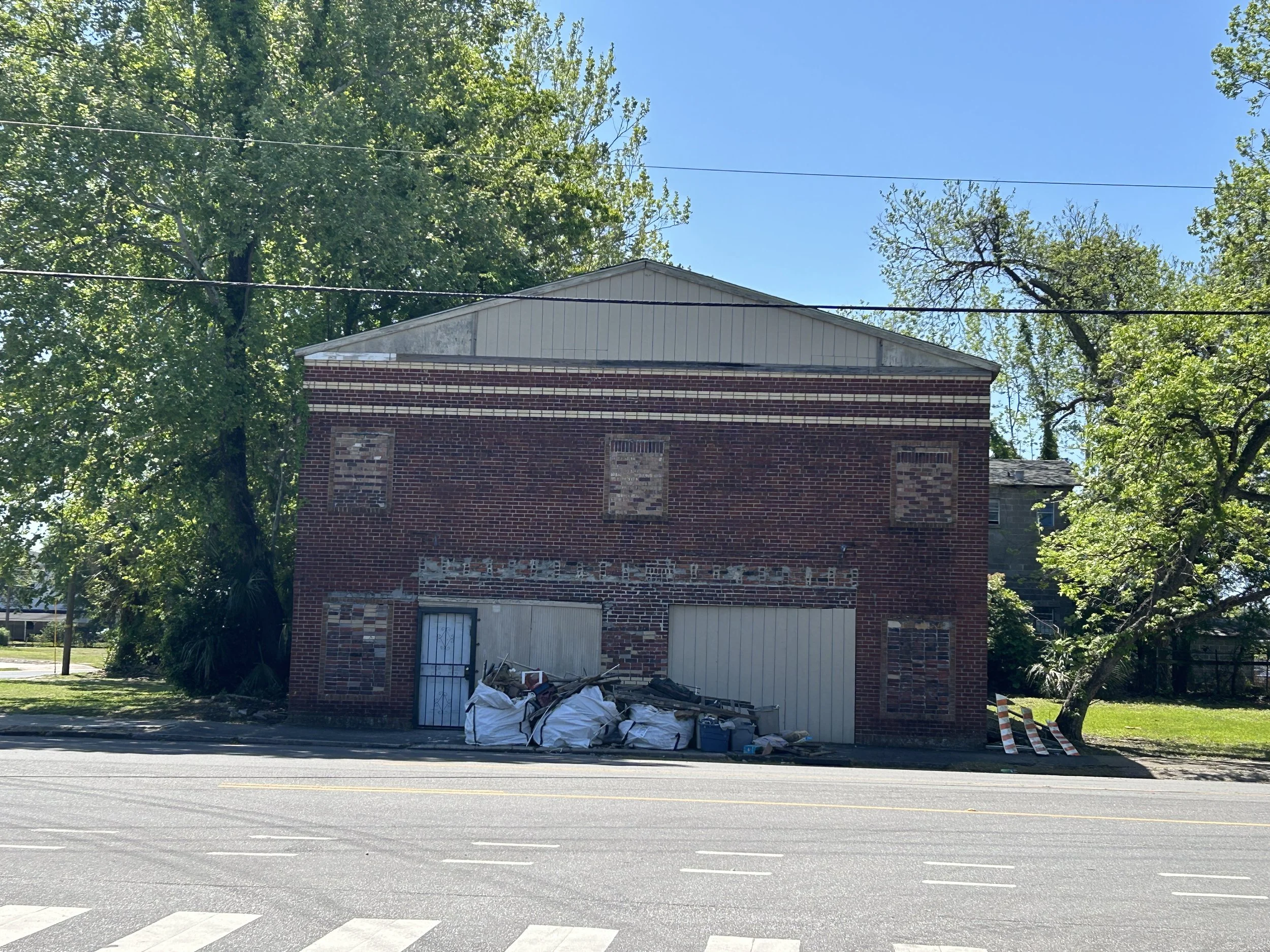
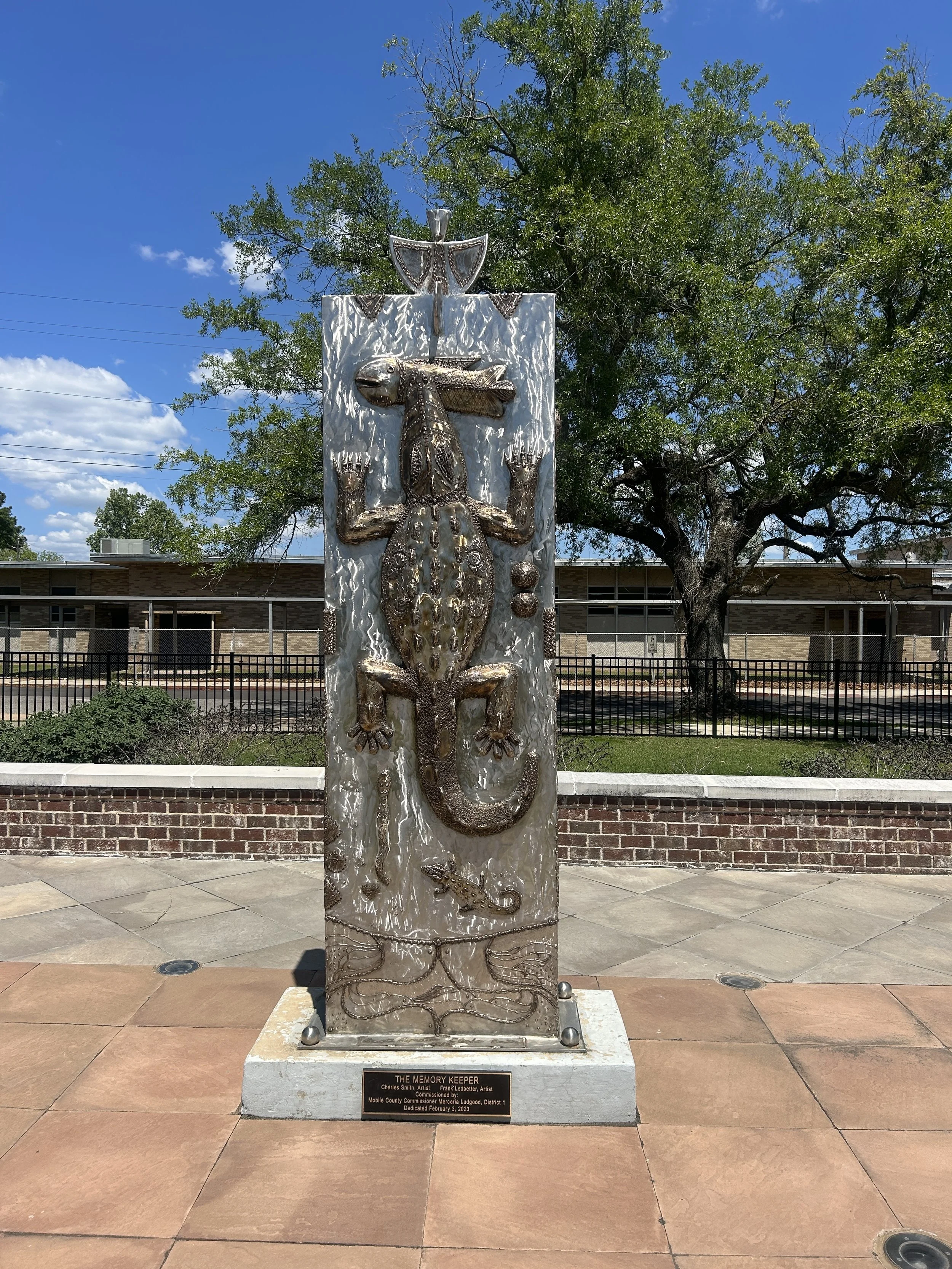
Ace Theater - Historically Black Theater being revitalized by Alabama Contemporary Art Center and community partners and organizations
APRIL 9, 2026 — MOBILE BOUND - TAKE ME TO THE WATER.
I’m so excited about my first site visit on the Southern Shores Hair Painting Tour.
I can’t wait to begin my journey across the South meeting amazing folks, artists, and organizations. Flying from NYC to Mobile is so easy. After a familiar boarding at LGA and a short layover in Charlotte plus a 90 mins flight, I made it to Mobile. I am trying to remember the last time I was here. I think it had to be high school with the football team. Of course, I wasn’t on the team. I played flute in the pep band (first chair I might add).
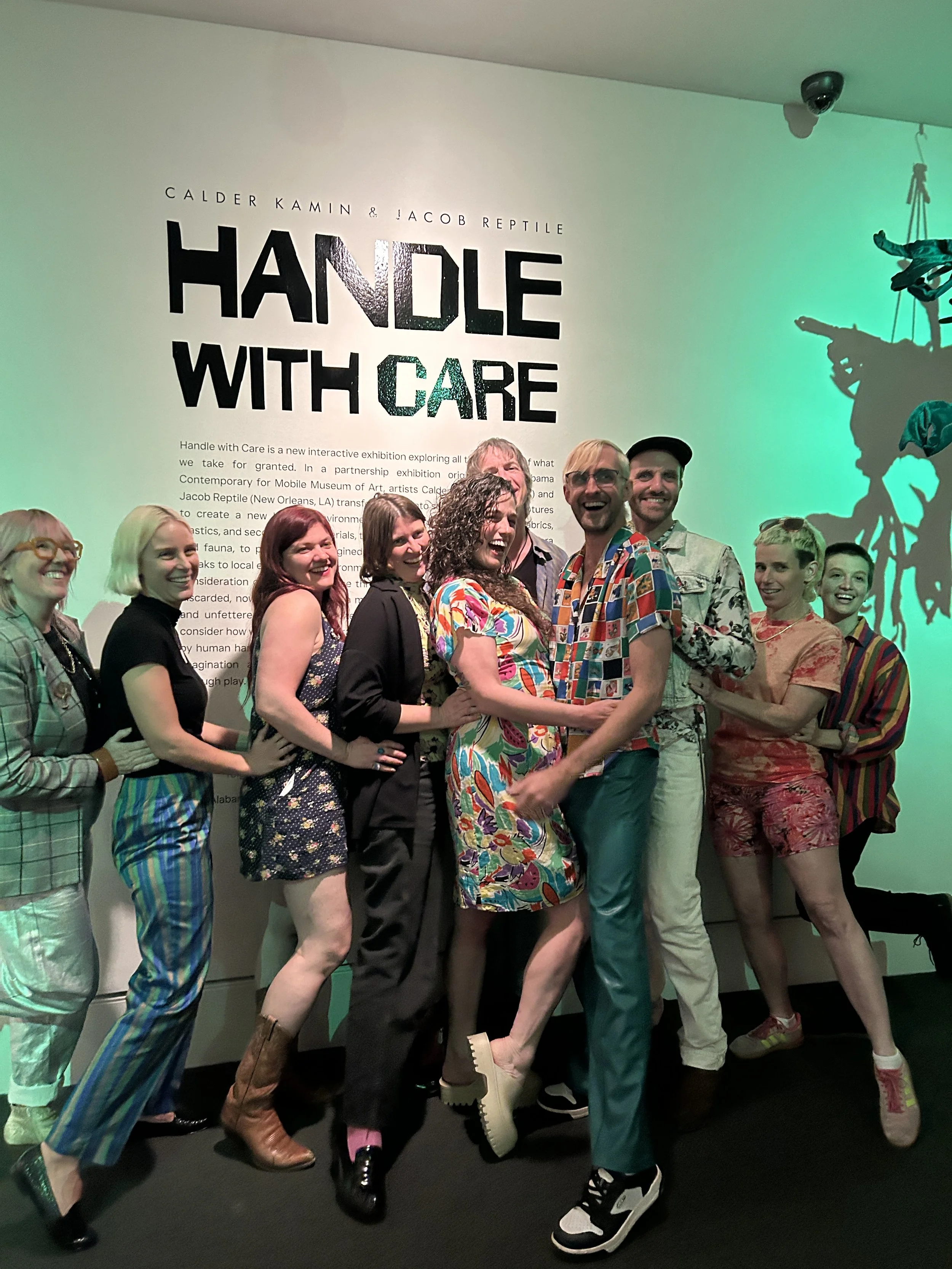
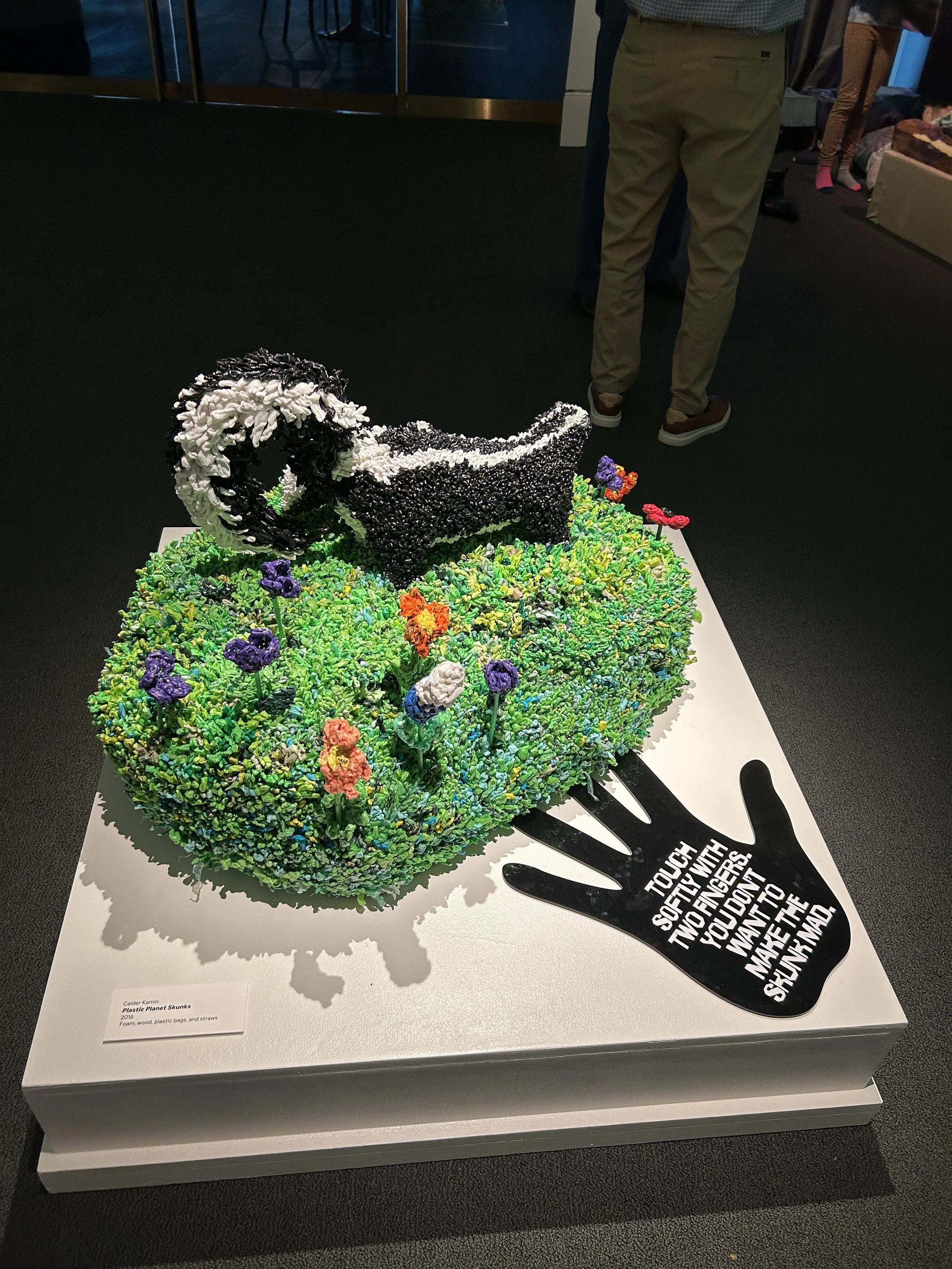
Once landed, I hopped in a Lyft and rode directly to the Mobile Museum of Art for the opening of Handle with Care curated by Micah Mermilliod of Alabama Contemporary Art Center, featuring the artists Calder Kamin and Jacob Reptile. Alabama Contemporary is the arts organization supporting and facilitating my coming to Mobile. While we’ve had multiple calls over zoom, showing up at the museum was the first time I met the whole team - Nikki, Elizabet, Micah, and Allison.
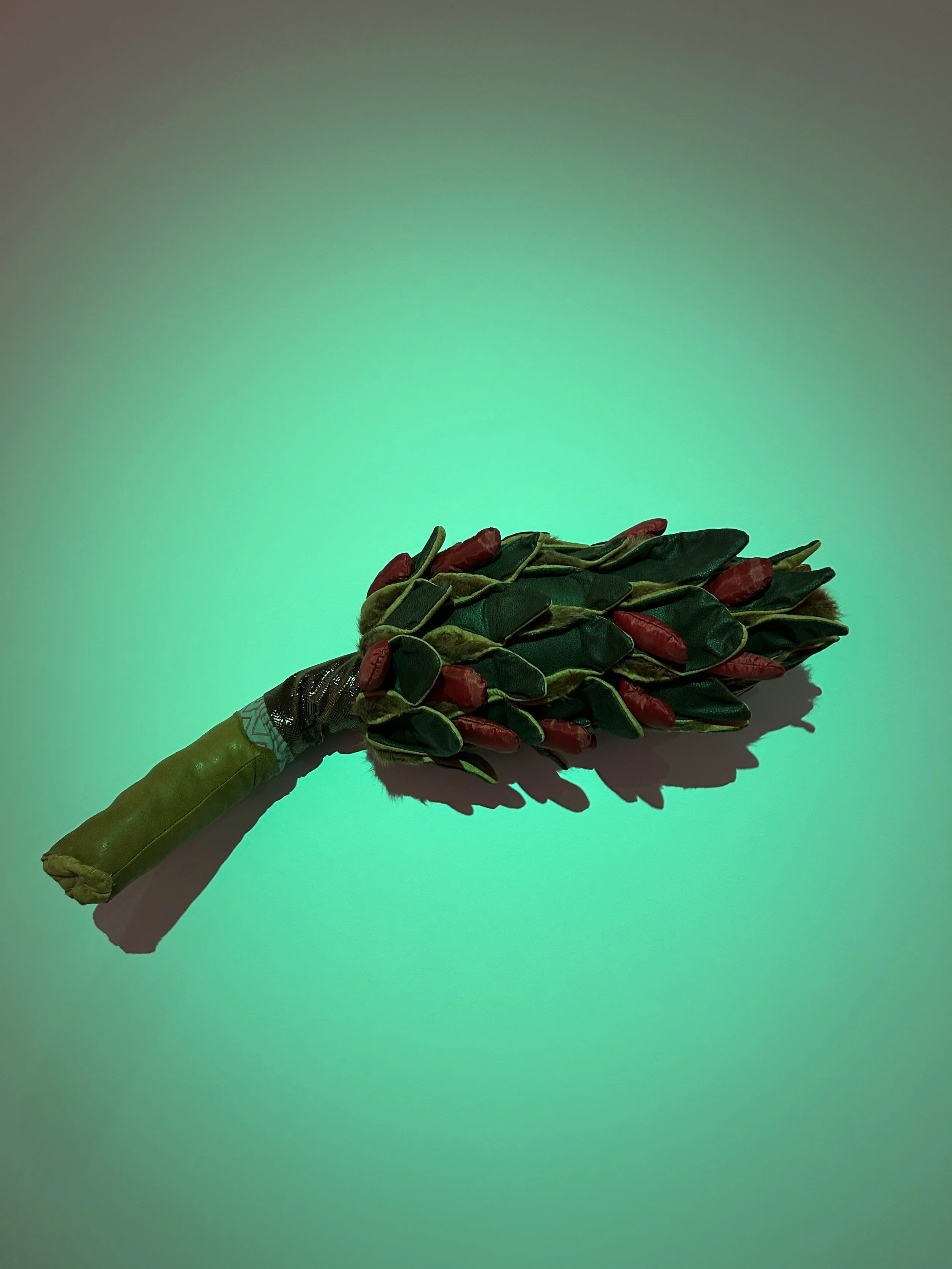
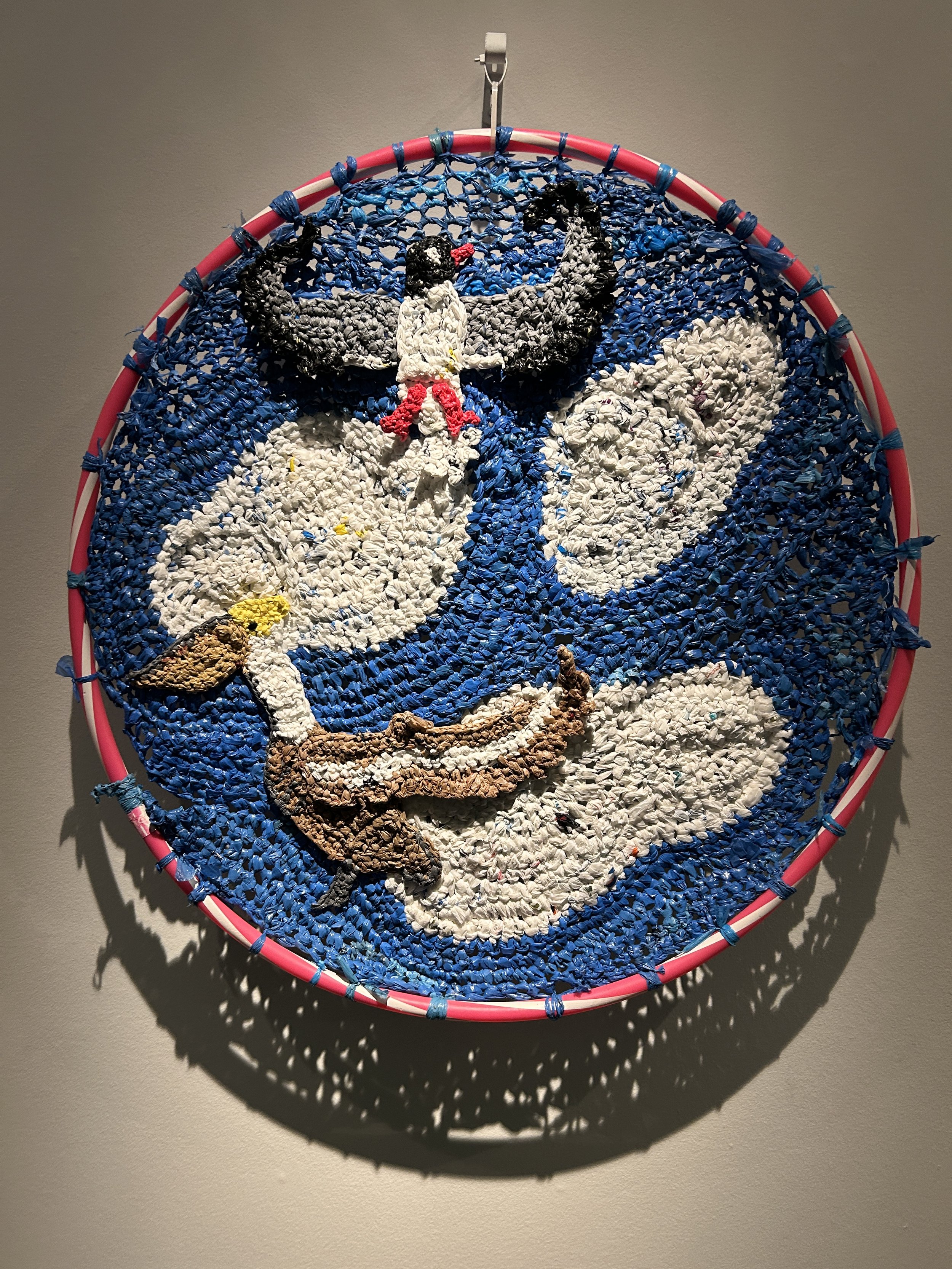
The show was great. It’s rare in a museum space that visitors are encouraged to touch the work. As I walked into this exhibition, children laughing and playing struck me first. They were running around and touching all the sculptures made from recycled trash (plastic bags and bottles) and upcycled materials. Familiar animals, landscapes, plants and foods from the region hung from the walls and sat larger than life sized on the floor. As stated on the ACAC website, “Everything has been touched by human hands, and can be touched. Everything can find purpose with a little imagination, and the work of making a sustainable planet can also happen through play.”
Elizabet, the executive director and lead curator, dropped me off at my home for the next five days, the Quality Inn in Downtown’s Historic District. As I walked in, two hosts greeted me from the desk.
Welcome to Quality Inn, checkin’ in?
Yes, I am, as I approached the desk.
Oh where are you from? one woman (Trice) asked after maybe noticing my accent.
NYC. I smiled.
New York City! What brings you all the way to Mobile?
I’m an artist, and I’m doing a project asking locals about the history, myths, and oral stories about the rivers and waters that define and surround Mobile.
That was enough context for them – they both immediately offered stories about a grandfather who started a popular hang out spot next to a river outside of town, or a story about the completely destroyed and replaced community of Down The Bay on the riverfront in Mobile. I asked if I could come back and record them sharing these stories, and they excitedly agreed.